
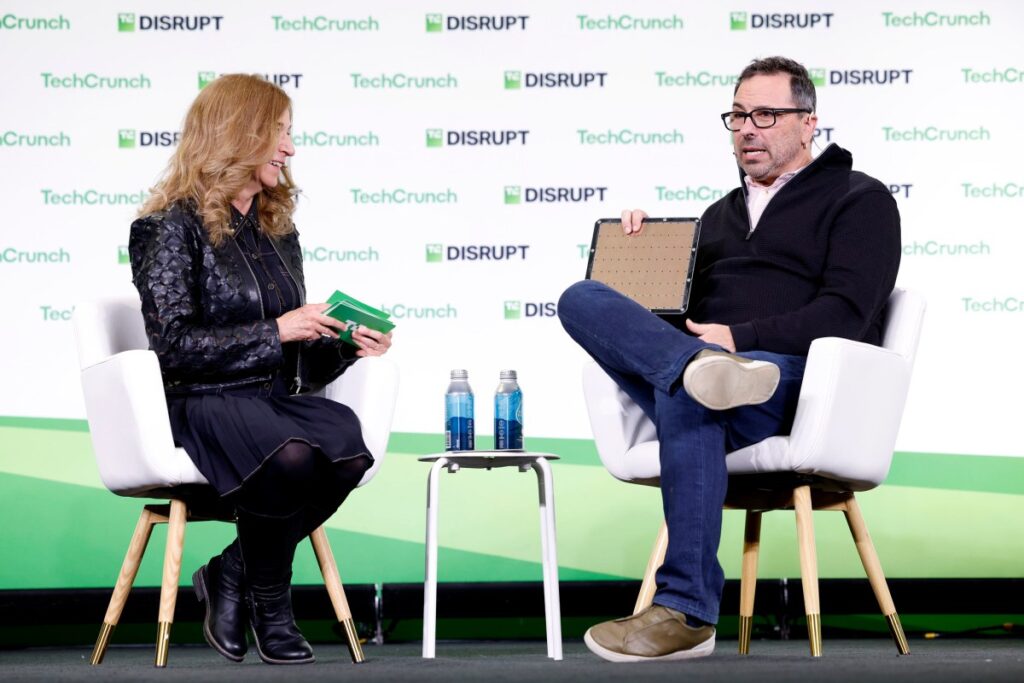
Artificial intelligence could soon become a permanent fixture in American households, much like smartphones and smart speakers today. Cerebras CEO Andrew Feldman believes the world is approaching a future where people have their own personal AI assistants at home, capable of helping with everyday tasks and responding to individual needs.
The prediction highlights how rapidly AI technology is evolving beyond chatbots and workplace productivity tools. As AI models become more capable and computing infrastructure advances, personalized AI assistants could change how people manage their homes, organize their schedules, and interact with digital services.
According to a report published by TechCrunch on October 13, 2026, Feldman’s comments reflect growing expectations that AI will become more accessible and integrated into daily life.
Why Personal AI Assistants Could Become Common
Today’s AI assistants can answer questions, summarize documents, draft emails, and help users plan their days. Future systems could go further by learning individual preferences, coordinating tasks, and offering assistance across different devices and applications.
For example, a home-based AI assistant could help a family organize appointments, manage shopping lists, control compatible smart-home devices, and find information without requiring users to open multiple apps.
More advanced assistants could also provide personalized support based on a user’s routines and preferences. However, these capabilities will depend on improvements in AI reasoning, reliability, privacy protections, and integration with everyday technology.
Feldman’s outlook points toward a shift from AI as a tool people actively open to AI as a more continuous digital companion.
What Cerebras Brings to the AI Industry
Cerebras Systems develops specialized computing hardware designed to accelerate artificial intelligence workloads. The company is known for its wafer-scale engine technology, which uses an unusually large processor design to support demanding AI computations.
Powerful computing infrastructure matters because advanced AI models require substantial processing resources to train and operate. Faster inference—the process through which an AI model generates responses—can make digital assistants feel more responsive and practical.
If computing becomes faster and more accessible, developers may find it easier to deliver AI services to more people and support increasingly complex interactions.
Nevertheless, the availability of powerful chips alone will not guarantee widespread adoption. Cost, energy consumption, software quality, and consumer trust will also influence how quickly personal AI assistants reach households.
Will AI Assistants Transform Smart Homes?
The smart-home market already includes voice assistants, connected appliances, security cameras, and automated lighting. AI could bring these separate systems closer together by allowing users to communicate their needs naturally rather than relying on fixed commands.
Imagine asking an assistant to prepare a daily schedule, remind family members about upcoming appointments, or coordinate compatible home devices. Instead of simply following isolated instructions, future systems could potentially understand context and manage several related tasks.
For American consumers, this could make home automation more useful and accessible. It could also create opportunities for technology companies developing AI software, personal computing devices, and connected-home products.
However, companies must address important concerns, including the handling of sensitive household information, unauthorized access, and the risk of AI systems making mistakes.
Privacy and Trust Will Shape the Future of Home AI
An AI assistant that operates throughout the day could process personal conversations, schedules, preferences, and other sensitive information. Consumers will therefore need clear controls over what their assistants collect, store, and share.
On-device processing, transparent privacy settings, strong security, and user-controlled permissions could help address these concerns. Developers will also need to make it easy for people to review or delete stored information.
What Comes Next for Personal AI?
Cerebras CEO Andrew Feldman’s vision reflects a broader industry push toward more personalized and capable AI systems. While the timeline and form of widespread home adoption remain uncertain, advances in computing and AI software are creating new possibilities.
The next phase of AI may not be defined only by smarter chatbots. It could also involve assistants that help people manage everyday life across their homes, devices, and digital services.
Whether every household eventually has a personal AI assistant will depend on affordability, reliability, privacy, and genuine consumer demand. For now, the idea signals an important direction for the future of artificial intelligence.
Source: [TechCrunch