Apps News

Siri-AI

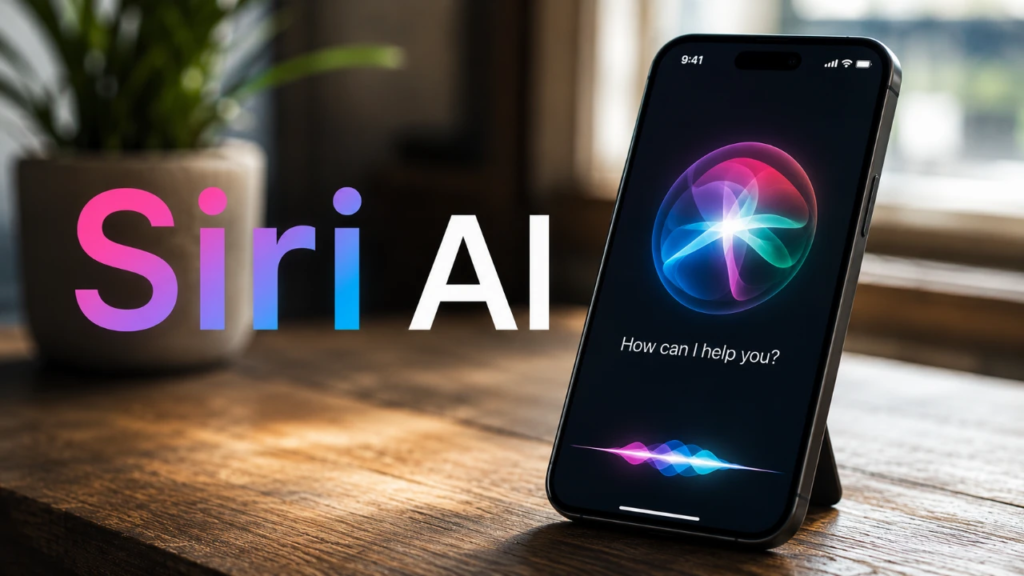
Apple’s iOS 27 Beta Unlocks a More Human Siri: Users Can Now Customize Voice Pace, Expressivity, and AI Conversations

Apple is taking another major step in the AI race with the release of iOS 27 beta 3, introducing long-awaited voice customization features that make Siri more natural, conversational, and personal. The latest developer beta allows users to adjust Siri’s speaking pace and expressivity, giving iPhone owners greater control over how Apple’s AI assistant communicates. The update is part of Apple’s broader Apple Intelligence strategy, which aims to transform Siri into a next-generation generative AI assistant capable of delivering more engaging, personalized, and context-aware conversations. For developers and early adopters, the new beta offers a glimpse into how Apple plans to compete with AI-powered assistants like ChatGPT, Google Gemini, and Amazon Alexa. Apple Introduces Siri Voice Personalization in iOS 27 Beta 3 With iOS 27 beta 3, Apple has officially activated the Pace and Expressivity controls that were previously marked as “Coming Soon” in earlier developer previews. Instead of relying on fixed voice settings, users can now fine-tune how Siri sounds by adjusting: As users move the sliders, Siri immediately provides voice samples, such as announcing new messages, making it easy to compare different speaking styles before selecting their preferred experience. The feature gives users a significantly more personalized interaction with Apple’s digital assistant. Siri Becomes More Natural and Human-Like Voice assistants have evolved beyond answering simple questions. Today’s AI assistants are expected to communicate naturally, understand context, and adapt to individual user preferences. Apple’s latest update focuses on making Siri sound less robotic and more conversational by allowing users to personalize how expressive the assistant becomes during interactions. Whether someone prefers a calm, slower speaking style for clarity or a faster, energetic voice for daily productivity, Siri can now better match individual listening preferences. This personalization also improves accessibility for users who benefit from customized speech speed and clearer voice delivery. Apple Expands Its AI Strategy The Siri improvements are another milestone in Apple’s growing investment in generative artificial intelligence. Introduced during Apple Worldwide Developers Conference 2026, the redesigned Siri is deeply integrated into Apple Intelligence, Apple’s AI platform powering intelligent features across iPhone, iPad, and Mac. Unlike previous versions, the AI-powered Siri supports multiple interaction methods, including: These enhancements create a seamless AI experience regardless of how users prefer to communicate with their devices. How Siri Compares With ChatGPT and Other AI Assistants Apple’s customization options reflect a growing trend across the AI industry, where personalization has become a key competitive advantage. AI platforms increasingly allow users to modify how assistants respond, speak, and interact. While Apple’s latest update focuses on voice pace and emotional expression, competing AI assistants already offer broader customization options that include communication style, personality, tone, and response behavior. The addition of customizable speech controls demonstrates Apple’s commitment to narrowing the gap while maintaining its signature focus on privacy, usability, and seamless ecosystem integration. More Features Arrive in iOS 27 Beta 3 Beyond Siri, Apple has introduced several interface refinements in the latest developer beta. Notable changes include: Some beta testers have also reported temporary issues after updating, including Siri becoming unavailable while devices re-index local data. This behavior appears to be part of Apple’s optimization process as the AI system prepares personalized on-device intelligence. Because the software remains in beta, occasional bugs and feature interruptions are expected before the public release. Why This Update Matters Artificial intelligence is quickly becoming the centerpiece of the smartphone experience. Rather than simply responding to commands, digital assistants are evolving into intelligent companions capable of understanding context, adapting to user preferences, and delivering personalized experiences. Apple’s latest Siri enhancements demonstrate several important industry trends: These technologies are expected to define the next generation of smartphones and digital productivity tools. What iPhone Users Can Expect Currently, Siri’s new voice customization tools are available exclusively to developers testing iOS 27 beta 3. Apple is expected to expand availability through future beta releases before launching the official version of iOS 27 later this year for compatible iPhone models. Once released, millions of users will gain access to a significantly more personalized Siri experience designed to improve communication, productivity, and everyday interactions. Final Thoughts Apple’s latest iOS 27 beta marks an important evolution for Siri. By introducing customizable speaking pace and expressivity, the company is making its AI assistant feel more conversational, adaptable, and user-focused than ever before. As Apple continues expanding its Apple Intelligence ecosystem, Siri is becoming more than a traditional voice assistant—it is evolving into a personalized AI companion capable of delivering smarter, more natural interactions. For consumers, developers, and the broader technology industry, these enhancements signal Apple’s long-term commitment to shaping the future of artificial intelligence across its ecosystem. The source of this news is From Tech Crunch.


Apple’s iOS 27 Beta Unlocks a More Human Siri: Users Can Now Customize Voice Pace, Expressivity, and AI Conversations Read More »

, , , , , , , , , ,
App

FTC Lawsuit Exposes Massive Subscription Scam Network That Outsmarted Apple and Google App Store Safeguards

Millions of smartphone users trust app stores to provide safe and reliable applications. However, a newly filed lawsuit by the U.S. Federal Trade Commission (FTC) suggests that even Apple’s App Store and Google Play Store can struggle to stop sophisticated subscription scam networks. According to the FTC, a company called Genesis Tech allegedly built a complex web of shell companies and deceptive mobile apps that generated hundreds of millions of dollars while making it difficult for consumers to cancel recurring subscriptions. The case highlights growing concerns about subscription scams, mobile app fraud, digital payments, and the limitations of current app store enforcement systems. FTC Alleges Genesis Tech Operated a Global Subscription Scam The FTC claims Genesis Tech orchestrated an extensive operation using multiple subsidiaries registered in Cyprus while conducting operations in Ukraine. These companies allegedly marketed numerous mobile apps to U.S. consumers under different business names, making it difficult for regulators and payment providers to identify their connections. Among the apps named in the complaint were popular services focused on fitness, nutrition, PDF editing, productivity, fashion, astrology, and habit tracking. Between early 2023 and mid-2025, these applications reportedly generated nearly $250 million in global revenue. During a separate 12-month period ending in September 2025, transactions processed through connected PayPal merchant accounts reportedly approached $700 million, according to the lawsuit. How the Alleged Scam Avoided Detection Rather than relying on a single developer account, the FTC alleges Genesis Tech continuously created new corporate entities and merchant accounts to hide its identity. The complaint claims the company regularly: This strategy allegedly allowed the organization to remain active for years despite growing complaints from consumers. The lawsuit demonstrates how modern app fraud has evolved from isolated scam apps into highly organized business networks capable of avoiding traditional enforcement measures. Deceptive Subscription Practices Targeted Consumers The FTC alleges many of Genesis Tech’s mobile apps attracted users by advertising free trials or inexpensive introductory offers. However, after signing up, customers were allegedly enrolled in recurring auto-renewing subscriptions that were far more expensive than expected. According to the complaint, consumers also experienced several deceptive practices, including: The agency argues these practices violated consumer protection laws designed to ensure transparency in online purchases. Why Canceling Became So Difficult One of the FTC’s strongest allegations centers on the cancellation process. Rather than providing simple cancellation options, the complaint claims some apps and websites either buried the cancellation feature or failed to offer one altogether. As a result, many users reportedly continued paying for subscriptions they believed had already been canceled. The FTC argues that businesses cannot legally make enrollment effortless while intentionally creating obstacles for customers attempting to end recurring payments. FTC Says Consumer Protection Laws Were Violated The lawsuit accuses Genesis Tech of violating both the Federal Trade Commission Act and the Restore Online Shoppers’ Confidence Act (ROSCA). ROSCA requires companies selling online subscriptions to: The FTC alleges Genesis Tech failed to meet these legal requirements through misleading marketing and deceptive billing practices. The complaint also names several company executives and associates as co-defendants. The case will proceed in the U.S. District Court for the Northern District of California. Apple and Google Face Growing Challenges Although Apple and Google maintain review processes for apps entering their marketplaces, this lawsuit underscores the increasing sophistication of fraudulent developers. Instead of operating under a single company, bad actors now create networks of businesses, payment accounts, and international entities that make enforcement significantly more difficult. This approach allows developers to launch multiple apps across different categories while avoiding detection for extended periods. The case raises broader questions about whether existing app review systems are equipped to identify large-scale fraud networks operating behind seemingly unrelated brands. Subscription Scams Continue to Rise The Genesis Tech lawsuit is not an isolated enforcement action. Over the past several years, the FTC has investigated companies across multiple digital industries, including anonymous social apps, dating platforms, gig economy services, children’s app developers, advertising technology firms, and data brokers accused of deceptive business practices. These actions reflect the agency’s increasing focus on protecting consumers from hidden fees, misleading subscriptions, unauthorized charges, and digital marketplace fraud. How Consumers Can Protect Themselves As subscription-based apps become more common, users should remain cautious before downloading unfamiliar applications. Experts recommend several best practices: Taking a few extra minutes to verify payment terms can help prevent costly recurring charges later. Final Thoughts The FTC’s lawsuit against Genesis Tech exposes how organized subscription scam networks can exploit weaknesses in today’s app store ecosystem. By allegedly using shell companies, multiple payment processors, and deceptive subscription tactics, the company generated massive revenue while making cancellations unnecessarily difficult for consumers. As mobile subscriptions continue to dominate the app economy, regulators, technology companies, and payment providers will likely face increasing pressure to strengthen fraud detection and improve consumer protections. For users, the case serves as a reminder that understanding subscription terms before downloading an app is more important than ever. The source of this news is Tech Crunch.

FTC Lawsuit Exposes Massive Subscription Scam Network That Outsmarted Apple and Google App Store Safeguards Read More »

, , , , , , , , , ,
Social media next evolution

Social media’s next evolution: user-controlled algorithms is no longer just a concept

it’s becoming the new standard across major platforms. Tech giants are moving away from opaque recommendation systems and giving users direct influence over the content they see. Powered by artificial intelligence (AI) and large language models (LLMs), these new personalization tools promise a more transparent, customizable, and engaging social media experience. As platforms compete for user attention, personalized algorithms have become a key differentiator. Instead of relying solely on likes, shares, and watch history, users can now actively train their feeds, ensuring recommendations better reflect their interests while filtering out unwanted content. Social Media Is Shifting Toward User-Controlled AI Algorithms For years, recommendation algorithms worked behind the scenes. Users could follow creators, mute accounts, or click “Not Interested,” but the final decision about what appeared in their feeds remained with the platform. That model is rapidly changing. Leading platforms like Threads, Instagram, and TikTok are introducing AI-powered personalization tools that allow users to directly influence recommendation engines. This shift transforms social media feeds from passive content streams into highly customizable experiences. The goal is simple: give users greater control while increasing engagement through more relevant content. Why Personalized Algorithms Matter Modern AI recommendation systems analyze thousands of signals, including: Instead of assuming what users want, platforms now ask them directly. This creates several benefits: For technology companies, better personalization also means higher engagement, longer session times, and improved user retention. Threads Introduces Private AI Feed Controls Threads has taken one of the biggest steps toward user-controlled algorithms. After launching its public Dear Algo feature earlier this year, the platform expanded personalization with the new Your Algo tool. Previously, users had to publish public posts requesting algorithm changes, such as asking for more podcast recommendations or fewer celebrity updates. Now those preferences remain completely private. Users can simply tell Threads they want: Even better, users decide how long these preferences remain active—one day, three days, or an entire week. This temporary personalization gives people greater flexibility without permanently changing their recommendation profile. Instagram Makes AI Recommendations More Transparent Instagram is also embracing algorithm transparency. Its Your Algorithm feature now lets users view exactly which interests influence recommendations across: Instead of guessing why certain posts appear, users can see the categories Instagram associates with their profile. If those assumptions are inaccurate, they can immediately adjust them. For example, users can indicate greater interest in: Or reduce recommendations from categories they rarely enjoy. Instagram Head Adam Mosseri has explained that large language models are helping make recommendation systems easier to understand by allowing users to communicate preferences more naturally while explaining why content appears. This represents a significant shift from traditional “black box” algorithms. TikTok Continues Expanding Feed Personalization TikTok introduced its Manage Topics feature in 2024, allowing users to fine-tune the balance of different content categories appearing in the For You feed. Instead of blocking entire subjects, users simply adjust sliders that increase or reduce recommendations in areas such as: The system gives users much finer control over content discovery. TikTok later strengthened personalization by adding AI-powered Smart Keyword Filters. Unlike traditional keyword blocking, artificial intelligence automatically recognizes related words and similar meanings. For example, filtering “remodeling” can also reduce videos mentioning: This smarter filtering creates a cleaner, more personalized browsing experience without requiring users to block every possible variation manually. AI Is Making Recommendation Systems Smarter Artificial intelligence has evolved far beyond simple engagement tracking. Today’s recommendation engines increasingly rely on: Rather than only predicting what users might enjoy, AI systems can now respond directly to user instructions. This creates recommendation engines that continuously adapt in real time while becoming easier to understand and manage. Why This Trend Matters for the Future of Social Media User-controlled algorithms represent one of the biggest changes in social media since personalized feeds first replaced chronological timelines. Consumers increasingly expect: Platforms that provide these features are likely to build stronger trust while keeping users engaged for longer periods. At the same time, content creators may need to rethink optimization strategies. Success will depend less on trying to “beat the algorithm” and more on producing high-quality, relevant content that users actively choose to prioritize. The Future of AI-Powered Personalized Feeds The evolution of recommendation systems is only beginning. Future AI algorithms may allow users to customize feeds using natural language conversations, automatically adjust preferences based on changing interests, and explain every recommendation with complete transparency. As artificial intelligence continues advancing, social media platforms are transforming from platforms that decide what users should watch into intelligent systems that learn directly from individual preferences. That shift puts users—not algorithms—in the driver’s seat. Final Thoughts The rise of user-controlled algorithms marks a major turning point in the evolution of social media. Threads, Instagram, and TikTok are leading the transition toward AI-powered personalization that gives people more influence over what they see every day. For users, the benefits include smarter recommendations, greater transparency, and improved content discovery. For technology companies, personalized AI feeds create stronger engagement and long-term loyalty. As AI, machine learning, and natural language processing continue to evolve, customizable recommendation systems are expected to become a defining feature of the next generation of social media platforms, reshaping how millions of people discover information, entertainment, and online communities. The source of this news is Tech Crunch.

Social media’s next evolution: user-controlled algorithms is no longer just a concept Read More »

, , , , , , , , ,
TikTok-now-lets-you-choose-how-much-AI-generated-content-you-want-to-see

TikTok Introduces New Controls to Personalize AI-Generated Content in the For You Feed

TikTok is giving users more power over what appears on their For You feed — specifically when it comes to AI-generated content. The platform has introduced a new setting that allows users to choose how much AI-generated content (AIGC) they want to see, marking a major step toward transparency and personalization on the app. A Smarter Way to Curate Your Feed The new AIGC control lives inside TikTok’s “Manage Topics” tool, which already lets users adjust how often they see categories such as Food, Dance, Sports, and several others. TikTok says the feature is designed to help users fine-tune their experience, not completely eliminate AI-created videos from their feed. This update arrives as major tech companies continue to lean into AI-driven content experiences. Meta recently launched Vibes, a feed dedicated entirely to AI-generated short videos. Soon after, OpenAI introduced Sora, its own platform for creating and sharing AI-powered visuals — many of which quickly made their way onto TikTok. As AI videos become more realistic and widespread, TikTok’s new filter helps users choose whether they want more of this content or prefer to dial it back. How the New Setting Works Users can try the feature by opening Settings → Content Preferences → Manage Topics. A dedicated slider lets you increase or decrease the amount of AI-generated content in your For You feed. TikTok says this update will roll out across the app over the next few weeks. Invisible Watermarking for Better AI Labeling To keep AI content clearly identified, TikTok is testing invisible watermarking, a technology only the platform can detect. While TikTok already supports C2PA’s Content Credentials — metadata that signals AI involvement — those labels can be lost when videos are edited or reuploaded elsewhere. The new invisible watermarks will appear on AI-generated videos created with TikTok’s tools like AI Editor Pro, as well as on content uploaded with C2PA tags. This adds an extra layer of security and helps the platform label AI content more reliably. TikTok’s Investment in AI Literacy Alongside these updates, TikTok announced a $2 million AI literacy fund. The initiative will support experts and organizations such as Girls Who Code in producing content that educates users about AI safety, ethics, and digital understanding. The source of this news is Tech Crunch.

TikTok Introduces New Controls to Personalize AI-Generated Content in the For You Feed Read More »

, , , , ,