
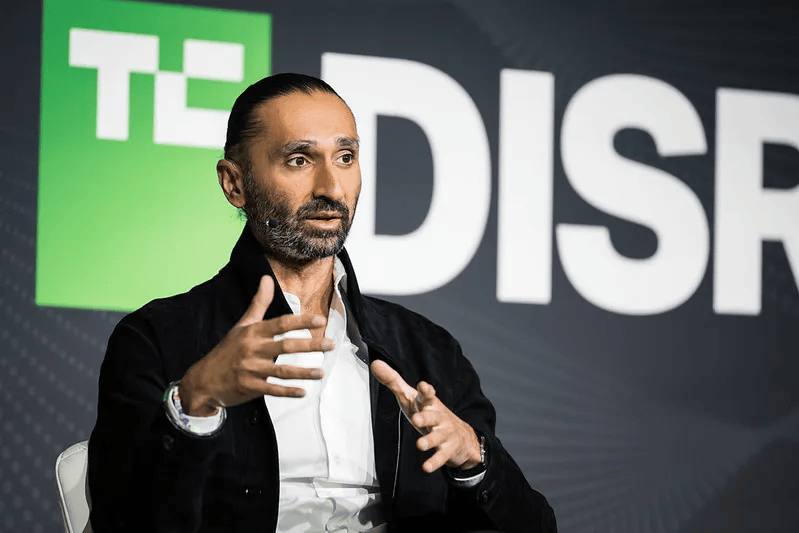
Wall Street is nervous about the mountain of debt behind the AI boom. One of the biggest lenders in the space says it’s time to calm down. Jas Khaira, who leads Blackstone’s AI efforts, argued at TechCrunch Disrupt that fears of an AI-infrastructure debt crisis are overblown.
Why Blackstone Has Skin in the Game
Blackstone, with $1.3 trillion in assets under management, is betting big on AI. The firm lends to data centers, backs frontier AI companies and funds new cloud providers. Earlier this year it launched Blackstone N1 (BXN1), a San Francisco hub for its AI work, and Khaira moved from New York to run it.
He says Blackstone is the largest owner of compute outside the hyperscalers, with stakes spanning neoclouds and data centers. Neoclouds are cloud providers that rent out AI GPU capacity.
How the CoreWeave Deal Set the Template
Blackstone’s first big neocloud loan came in 2023. CoreWeave, which had just seen demand surge after ChatGPT launched, asked for $2.3 billion despite having only about $30 million in revenue and little profit, per Khaira. Blackstone said yes because the loan was backed by Nvidia GPUs and by contracts with blue-chip customers like Microsoft.
That structure became the playbook for billions in follow-on lending. Khaira says the key question is who the customer is: an investment-grade buyer like Microsoft or Meta means the risk is priced against that customer’s credit. Blackstone later co-led a $10 billion credit facility with Coatue for Australian GPU provider Firmus.
The Warning Signs Are Real
Khaira doesn’t deny the jitters. Several pressures are building:
- Higher rates: Interest rates ticked up in September, and hot inflation data suggests borrowing costs could keep climbing.
- Wider credit spreads: Even Meta and Microsoft now pay more to borrow.
- Debt overload: CoreWeave’s debt has swollen to roughly $50 billion, and investor Brad Gerstner said GPUs alone no longer make strong collateral.
- Market fallout: CoreWeave shares fell more than 20% in recent days, and Firmus shelved its planned Australian IPO at a roughly $30 billion valuation.
Khaira says the Firmus listing failed because investors didn’t buy the price. He sees the market working out what neoclouds are worth while rates rise.
Why He Doesn’t See a 2008 Repeat
Khaira rejects comparisons to the financial crisis. His argument: today’s AI debt doesn’t rest on shaky banks. Most data centers are built for hyperscalers, so the loans ultimately rest on some of the most creditworthy companies in the world.
He also points to demand. AI companies still can’t get enough compute, and that hunger keeps data center construction moving.
Is AI Actually Paying Off?
Blackstone also helps businesses put AI to work. It formed a $1.5 billion joint venture called Ode with Anthropic and Hellman & Friedman. Ode sends forward-deployed engineers to help companies integrate AI, starting with Blackstone’s 280 portfolio companies.
Khaira was candid about results: returns exist, he said, but they’re uneven. He expects adoption to move in a sawtooth pattern, which skeptics may read as oversupply until usage catches up.
What It Means for Investors and Tech Watchers
Khaira’s view is a bullish one from a lender with major exposure, so weigh it accordingly. Keep an eye on:
- Whether credit spreads keep widening for AI borrowers
- CoreWeave’s share price and debt trajectory
- New neocloud IPO attempts after Firmus’s setback
- Evidence that enterprise AI returns become steadier
Source: TechCrunch