
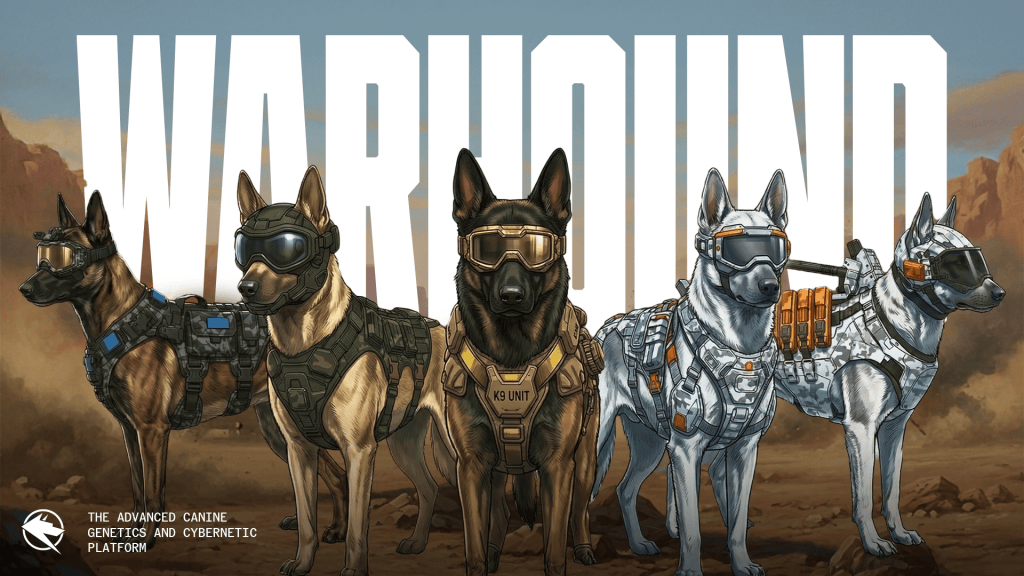
A new defense startup wants to make the next generation of military working dogs in a lab. Warhound just emerged from stealth with $200 million in funding and a plan to genetically engineer dogs for the U.S. military, law enforcement and emergency response teams.
Quick Facts
- Company: Warhound
- Funding: $200 million
- Valuation: $1.2 billion
- Investors: In-Q-Tel, Sequoia and 8VC, among others
- Founders’ connection: Ben Lamm of Colossal Biosciences and Palmer Luckey of Anduril
- Target buyers: First responders, the Department of Defense, military service groups and police
- Source: TechCrunch
What Warhound Is Building
Warhound plans to engineer dogs for dangerous jobs that are hard for people or machines, such as bomb detection and search operations. Lamm met Luckey about a year ago at a conference, where Luckey raised the idea of doing more for military working dogs. The two stayed in touch, and Lamm then dug into the breeding problems behind the dog supply.
Why Working Dogs Are in Short Supply
The company’s launch announcement points to two weaknesses. More than 80% of the working dogs the U.S. military uses come from Europe, and fewer than half end up fit for service. Many dogs wash out of training because of genetic problems like poor eyesight, cancer risk, hip dysplasia or muscle atrophy.
That leaves the U.S. dependent on foreign supply for animals that play a key role in military and law enforcement missions.
How the Gene Editing Plan Works
Lamm’s team started with the top-performing working breeds, the Belgian Malinois and the German Shepherd. They took cell lines from each and stored them in a biobank. From there, the team will edit genes, adding traits that improve performance and removing those that cause problems, to create what Lamm calls “a new type of dog.”
The goal covers health and longevity, plus things like speed, agility and sharper smell for bomb detection.
What Anduril Brings
Anduril will supply hardware and software for gear such as protective vests and goggles that help dogs and handlers stay coordinated and aware of their surroundings. Lamm described vests with data sensors that send information back to handlers in real time. He stressed that these upgrades go on top of the dog, not into its genes.
Luckey holds no equity and acts as a partner, Lamm said. Colossal owns equity in Warhound and supports it by licensing its technology.
From De-Extinction to Defense
Colossal is best known for de-extinction work on animals like the dodo and the woolly mammoth. It has also been using AI and other technology to speed up gene cloning and gene identification. Warhound applies that toolkit to a defense problem.
Timeline and Open Questions
- Cloning: The first batch of dogs is about to be cloned and incubated.
- Births: Lamm expects the first dogs to arrive early next year.
- Service: He hopes they enter service within two years.
- Cloning partner: Viagen, another Colossal company, will help clone the dogs.
- Pricing: Warhound hasn’t set a price yet.
- Government approval: Lamm says the company has briefed many government groups, but he didn’t describe any formal approval.
Safety and Animal Welfare
Asked about civilian safety, Lamm said the dogs will be trained like any military working dog and managed by whoever buys them. The company is working under the guidance of the American Humane Society to certify its training program. Retired dogs may enter the society’s Military Working Dog Reunification Program.
What to Watch Next
Keep an eye on the first litter’s arrival, any government contracts or approvals, pricing details and how regulators and the public respond to genetically enhanced working animals.
Source: TechCrunch