
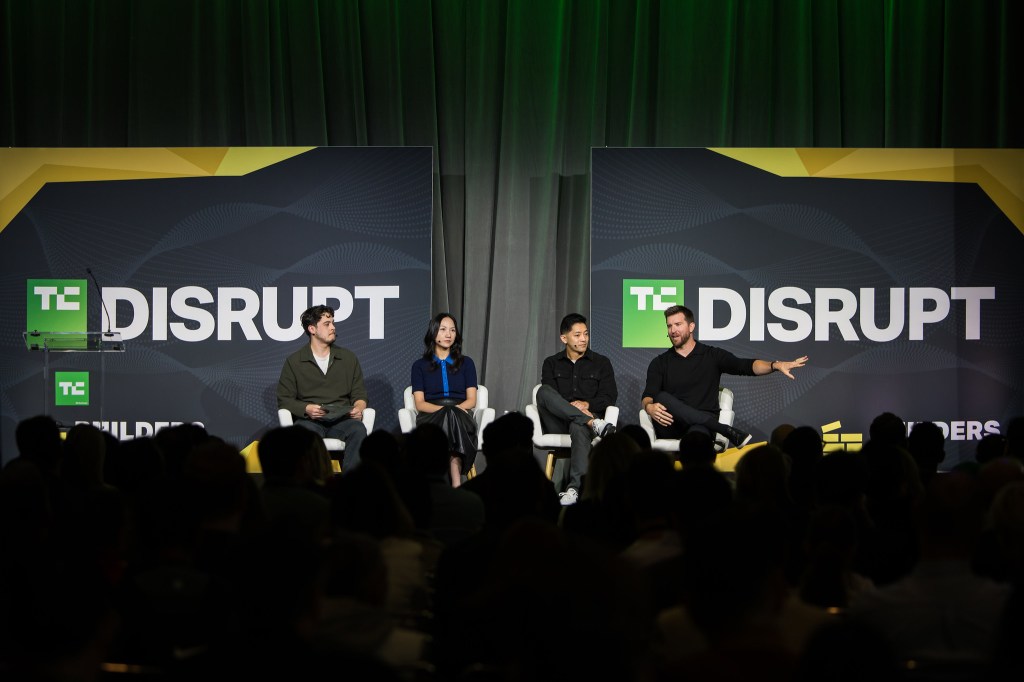
Landing your first customers is one of the hardest jobs in startup life, and keeping them is harder still. At TechCrunch Disrupt, two founders and a venture investor made the case that you don’t need a viral moment to do either.
Quick Facts
- Event: TechCrunch Disrupt
- Speakers: Grant Lee (Gamma CEO), Elia Wallen (Engine CEO) and Crystal Huang (Google Ventures general partner)
- Core message: Match your growth tactics to your business, then track how customers actually use your product
- Source: TechCrunch (reporter Lucas Ropek)
The Social Media Temptation
Some young AI companies, including Cluely and Instinct, have built large audiences partly through their founders’ bold online personas. That makes social media look like a shortcut to early customers. The panelists agreed it can work, but only with a clear plan.
Gamma’s Creator Playbook
Gamma, an AI-powered presentation tool, grew fast by running an influencer program it calls its Ambassadors program, or “Gambassadors.” The company started the strategy before creator marketing became a common startup tactic, and it later reached a multi-billion-dollar valuation.
Lee said the program only works when creators match the audience. If your product serves several segments, such as consultants or marketers building decks for executives, you need different creators for each group.
He also warned against treating influencer marketing as a “set it and forget it” tactic. If creators can’t explain what your product does and why it matters, spending more money won’t fix the message.
Engine’s Old-School Approach
Elia Wallen took the opposite route. His company, Engine, manages lodging and travel bookings for midsize businesses, and it bootstrapped its way to $150 million in bookings before taking any outside funding. It had no visible social media strategy.
Instead, the team went to events and picked up the phone. Wallen said many founders who didn’t grow up with cold calling assume it’s outdated, but it still works, and many companies ignore a big offline client base because they don’t know how to do it well. His summary: “The phone still works.”
The Magician Trick
Engine also used a memorable booth tactic in its scrappy early days: it hired a magician named David to perform for prospects at events and steer them toward the Engine booth. The lesson isn’t to hire a magician. It’s that personal, in-person engagement can match or beat the latest social media tricks.
Retention: Read the Usage Data
Winning a customer is only half the job. Crystal Huang, who has worked with many startups, said founders should study how customers use the product after signing up. Key questions include:
- Is usage recurring?
- Is it increasing over time?
- Are customers referring friends?
- Do any “super fans” want to promote the brand or even work at the company?
She said the goal is to create evangelists who are truly passionate about the product, and early usage and retention data can reveal who they are.
What Founders Can Take Away
- Match the channel to the business. TikTok may suit a consumer or prosumer app, while phone and events may suit a B2B travel service.
- Train your creators. If they can’t articulate value, the campaign will fall flat.
- Don’t dismiss offline sales. Calls and events still convert for many companies.
- Measure retention early. Recurring use and referrals are better signals than a viral spike.
- Nurture super fans. They can become your best marketing channel.
What to Watch Next
Expect more founders to mix creator marketing with traditional outreach, and more investors to push startups toward retention metrics over raw buzz.
Source: TechCrunch