
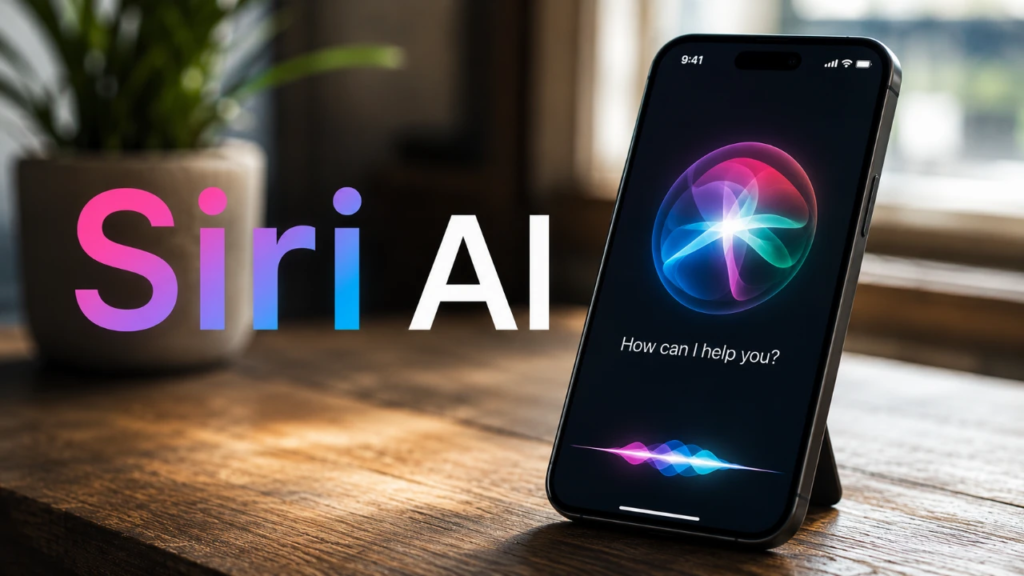
Apple is taking another major step in the AI race with the release of iOS 27 beta 3, introducing long-awaited voice customization features that make Siri more natural, conversational, and personal. The latest developer beta allows users to adjust Siri’s speaking pace and expressivity, giving iPhone owners greater control over how Apple’s AI assistant communicates.
The update is part of Apple’s broader Apple Intelligence strategy, which aims to transform Siri into a next-generation generative AI assistant capable of delivering more engaging, personalized, and context-aware conversations. For developers and early adopters, the new beta offers a glimpse into how Apple plans to compete with AI-powered assistants like ChatGPT, Google Gemini, and Amazon Alexa.
Apple Introduces Siri Voice Personalization in iOS 27 Beta 3
With iOS 27 beta 3, Apple has officially activated the Pace and Expressivity controls that were previously marked as “Coming Soon” in earlier developer previews.
Instead of relying on fixed voice settings, users can now fine-tune how Siri sounds by adjusting:
- Speaking speed
- Voice expressiveness
- Delivery style
- Accent preferences
- Overall conversational tone
As users move the sliders, Siri immediately provides voice samples, such as announcing new messages, making it easy to compare different speaking styles before selecting their preferred experience.
The feature gives users a significantly more personalized interaction with Apple’s digital assistant.
Siri Becomes More Natural and Human-Like
Voice assistants have evolved beyond answering simple questions. Today’s AI assistants are expected to communicate naturally, understand context, and adapt to individual user preferences.
Apple’s latest update focuses on making Siri sound less robotic and more conversational by allowing users to personalize how expressive the assistant becomes during interactions.
Whether someone prefers a calm, slower speaking style for clarity or a faster, energetic voice for daily productivity, Siri can now better match individual listening preferences.
This personalization also improves accessibility for users who benefit from customized speech speed and clearer voice delivery.
Apple Expands Its AI Strategy
The Siri improvements are another milestone in Apple’s growing investment in generative artificial intelligence.
Introduced during Apple Worldwide Developers Conference 2026, the redesigned Siri is deeply integrated into Apple Intelligence, Apple’s AI platform powering intelligent features across iPhone, iPad, and Mac.
Unlike previous versions, the AI-powered Siri supports multiple interaction methods, including:
- Voice conversations
- Text-based communication
- Side button activation
- Dynamic Island access
- The new standalone Siri application
These enhancements create a seamless AI experience regardless of how users prefer to communicate with their devices.
How Siri Compares With ChatGPT and Other AI Assistants
Apple’s customization options reflect a growing trend across the AI industry, where personalization has become a key competitive advantage.
AI platforms increasingly allow users to modify how assistants respond, speak, and interact.
While Apple’s latest update focuses on voice pace and emotional expression, competing AI assistants already offer broader customization options that include communication style, personality, tone, and response behavior.
The addition of customizable speech controls demonstrates Apple’s commitment to narrowing the gap while maintaining its signature focus on privacy, usability, and seamless ecosystem integration.
More Features Arrive in iOS 27 Beta 3
Beyond Siri, Apple has introduced several interface refinements in the latest developer beta.
Notable changes include:
- Updated Reminders app icon
- General system performance improvements
- AI optimization enhancements
- Background indexing for Apple Intelligence
Some beta testers have also reported temporary issues after updating, including Siri becoming unavailable while devices re-index local data. This behavior appears to be part of Apple’s optimization process as the AI system prepares personalized on-device intelligence.
Because the software remains in beta, occasional bugs and feature interruptions are expected before the public release.
Why This Update Matters
Artificial intelligence is quickly becoming the centerpiece of the smartphone experience.
Rather than simply responding to commands, digital assistants are evolving into intelligent companions capable of understanding context, adapting to user preferences, and delivering personalized experiences.
Apple’s latest Siri enhancements demonstrate several important industry trends:
- AI-powered personalization
- Natural language processing
- Human-like voice synthesis
- Context-aware assistance
- Accessibility-focused innovation
- On-device AI processing
These technologies are expected to define the next generation of smartphones and digital productivity tools.
What iPhone Users Can Expect
Currently, Siri’s new voice customization tools are available exclusively to developers testing iOS 27 beta 3.
Apple is expected to expand availability through future beta releases before launching the official version of iOS 27 later this year for compatible iPhone models.
Once released, millions of users will gain access to a significantly more personalized Siri experience designed to improve communication, productivity, and everyday interactions.
Final Thoughts
Apple’s latest iOS 27 beta marks an important evolution for Siri. By introducing customizable speaking pace and expressivity, the company is making its AI assistant feel more conversational, adaptable, and user-focused than ever before.
As Apple continues expanding its Apple Intelligence ecosystem, Siri is becoming more than a traditional voice assistant—it is evolving into a personalized AI companion capable of delivering smarter, more natural interactions. For consumers, developers, and the broader technology industry, these enhancements signal Apple’s long-term commitment to shaping the future of artificial intelligence across its ecosystem. The source of this news is From Tech Crunch.