
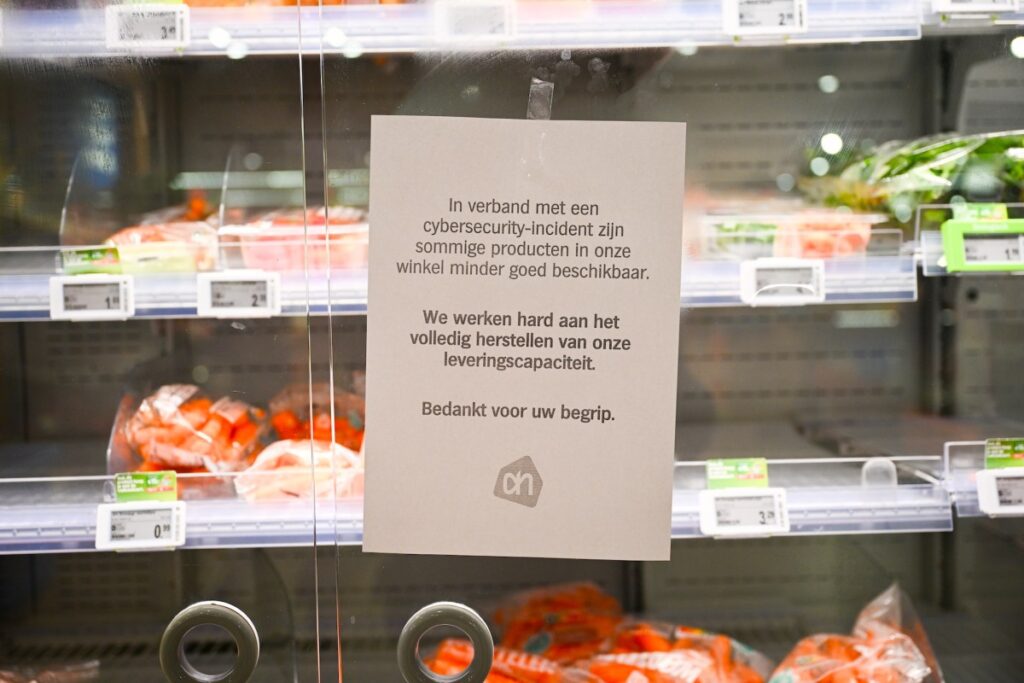
Cyberattacks usually mean stolen data or locked screens. This time, the damage is melted ice cream and ruined groceries. A fresh round of suspected hacks has hit refrigeration systems at supermarkets across Europe, and it’s the second such wave in about a month.
Quick Facts
- What happened: Suspected cyberattacks raised temperatures in supermarket fridges and freezers
- Countries affected: Belgium, Ireland, Luxembourg and Sweden
- Companies confirming: Ahold Delhaize and Colruyt
- Earlier incident: A similar wave in France last month hit hundreds of supermarkets
- Source: TechCrunch (reporter Zack Whittaker, November 2, 2026)
What the Attackers Did
According to Reuters, a Belgian company that runs Delhaize’s systems said the hackers changed the settings to defrost. Dozens of stores saw heavy losses, and supermarkets had to throw out goods that had thawed or were no longer safe to sell. Ahold Delhaize and Colruyt confirmed the attacks overnight.
The Likely Weak Spot: Unsupported Refrigeration Controllers
Security researchers pointed to internet-connected refrigeration units made by Danish company Danfoss, which they say was no longer providing security updates for them. The earlier French incidents were traced to the same type of equipment. Security firm Claroty had warned in August that these controllers were vulnerable to remote hacking and outages.
Who is behind the European attacks hasn’t been established in the reporting I could access.
Why This Is More Than a Food Waste Story
These attacks show how an internet-connected device with weak security can create real-world damage. Many commercial devices, from refrigeration controllers to building systems, connect to networks for convenience. When manufacturers stop issuing updates, known flaws stay open indefinitely.
The food supply chain is an especially sensitive target. In 2025, a cyberattack on U.S. grocery distributor UNFI caused shortages and empty shelves at stores across the country.
A Possible U.S. Angle
TechCrunch notes that Department of Defense officials are reportedly investigating whether freezer units on military bases were hacked by Iran-backed groups. Iranian hackers were also blamed earlier this year for attacks on U.S. water providers. These are reports of investigations, not confirmed findings.
What Retailers and Facility Managers Can Learn
General best practices include:
- Inventory connected equipment, including refrigeration, HVAC and building controls.
- Check vendor support status. Devices that no longer receive security updates need replacement or isolation.
- Keep controllers off the open internet and place them behind firewalls or segmented networks.
- Use strong authentication and change default credentials.
- Plan for manual overrides and temperature alarms that don’t rely on the same network.
What It Means for Shoppers
If a store’s cold chain fails, it must discard unsafe food. Shoppers shouldn’t see compromised products on shelves, but empty cases and supply gaps are possible when a retailer is hit.
What Readers Are Asking
Which countries were hit this time? Belgium, Ireland, Luxembourg and Sweden.
Which companies confirmed attacks? Ahold Delhaize and Colruyt.
What equipment is blamed? Internet-connected Danfoss refrigeration controllers that researchers say no longer received security updates.
Was France affected too? Yes, a similar wave hit hundreds of supermarkets there last month.
What to Watch Next
Look for attribution of the attackers, vendor guidance or patches, regulatory responses in Europe and any warnings for U.S. retailers using similar equipment.
Source: TechCrunch