
Transportation News

Elon Musk

Elon Musk Becomes the World’s First Trillionaire After SpaceX’s Blockbuster IPO Milestone

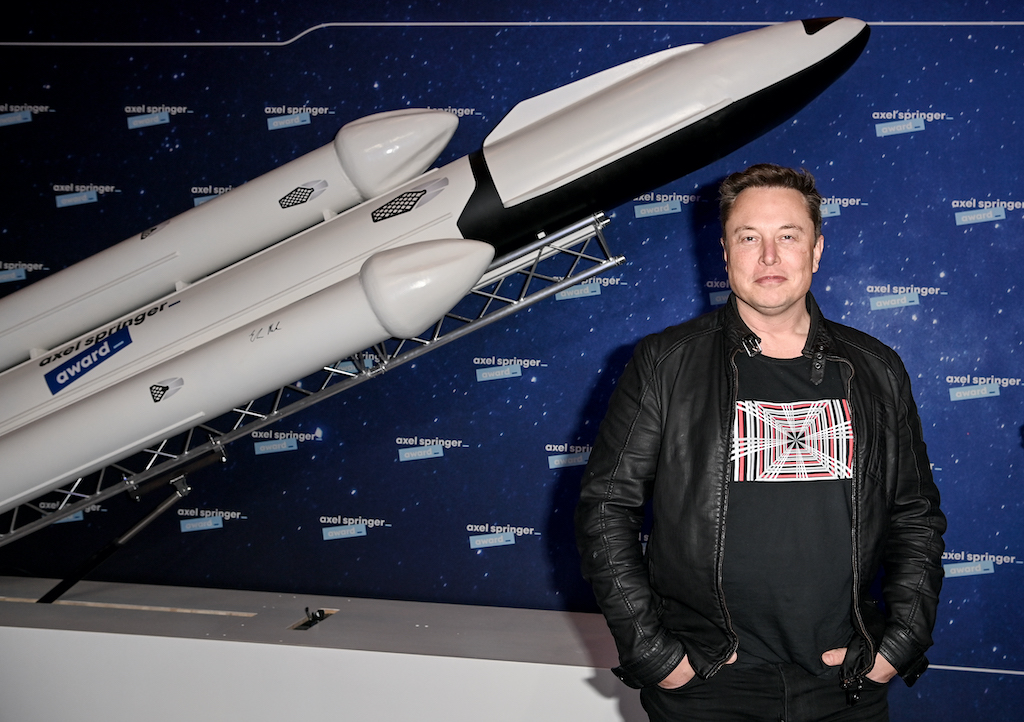
History was made on Wall Street as Elon Musk officially became the world’s first trillionaire, following the highly anticipated SpaceX initial public offering (IPO). The landmark debut pushed the entrepreneur’s estimated net worth beyond the $1 trillion mark, reinforcing his position as the wealthiest person on the planet. The achievement is driven primarily by the soaring value of SpaceX shares, combined with Musk’s substantial ownership in Tesla. While the milestone represents an extraordinary financial accomplishment, it also raises new discussions about corporate influence, executive power, and the future of the commercial space industry. SpaceX IPO Sends Musk’s Fortune Past $1 Trillion SpaceX entered the public markets with shares priced at $135 each, giving the aerospace company one of the largest market debuts in recent history. As the company’s founder and CEO, Musk retained an enormous ownership stake. Reports indicate that his SpaceX holdings alone were valued at approximately $860 billion immediately after the IPO pricing. When combined with the value of his Tesla shares and the strong first-day trading performance of SpaceX stock, Musk’s estimated net worth crossed the historic $1 trillion threshold. The milestone makes him the first individual ever to reach a four-comma fortune on paper. Why the SpaceX IPO Is So Significant SpaceX has transformed from a private rocket startup into one of the world’s most valuable aerospace and technology companies. Its business spans multiple high-growth sectors, including: Investors have long viewed SpaceX as one of the most valuable private technology companies, making its public listing one of the most anticipated IPOs of the decade. The successful launch into public markets significantly increased shareholder value while giving investors direct access to one of the fastest-growing companies in the global space economy. Tesla Continues to Strengthen Musk’s Wealth Although SpaceX played the largest role in pushing Musk past the trillion-dollar milestone, Tesla remains a major pillar of his financial portfolio. The electric vehicle manufacturer continues to be one of the world’s most valuable automakers, with investments spanning: The combination of Tesla and SpaceX gives Musk ownership across several of the world’s fastest-growing technology industries. More Wealth Could Be on the Horizon Financial analysts believe Musk’s fortune could continue growing in the coming years. Tesla shareholders previously approved an executive compensation package tied to ambitious operational and market value targets. If those performance milestones are achieved, the package could become one of the largest executive compensation plans ever awarded. In addition, Musk owns a large number of SpaceX shares that remain subject to specific long-term conditions. While certain shares cannot currently be sold under the company’s structure, they may still serve as collateral for borrowing, allowing access to significant liquidity without selling the underlying assets. Musk Maintains Strong Control Over SpaceX Despite becoming a publicly traded company, SpaceX remains heavily influenced by its founder. Musk reportedly controls more than 80% of the company’s voting power, giving him significant authority over corporate governance. His influence includes: This governance structure allows Musk to retain substantial decision-making power even after the company’s stock market debut. A Historic Financial Milestone Sparks Debate Musk’s rise to trillionaire status has generated widespread discussion beyond financial markets. Supporters point to his role in advancing: Critics, however, continue to question the concentration of wealth and corporate influence, particularly given Musk’s involvement in political and public policy matters. His growing financial influence has intensified conversations surrounding executive accountability, regulatory oversight, and the broader role of billionaire entrepreneurs in shaping technology and government initiatives. Space Economy Growth Continues to Accelerate The SpaceX IPO reflects increasing investor confidence in the commercial space industry. Demand continues expanding across several key sectors, including: Industry analysts expect global investment in space technology to grow substantially over the next decade as governments and private companies increase spending on aerospace innovation. What This Means for Investors The successful SpaceX IPO demonstrates strong investor appetite for companies operating at the intersection of advanced technology, artificial intelligence, aerospace engineering, and next-generation infrastructure. Public investors now have exposure to one of the industry’s most influential companies, although future performance will depend on execution, technological advancements, regulatory developments, and broader market conditions. As competition in the commercial space sector intensifies, investors will closely monitor SpaceX’s ability to maintain its leadership position. Final Thoughts Elon Musk’s rise as the world’s first trillionaire marks a historic moment in both financial markets and the technology industry. The successful SpaceX IPO significantly boosted his estimated wealth while highlighting the growing importance of commercial space exploration and advanced innovation. Beyond the record-breaking valuation, the milestone reflects the expanding role of aerospace, electric vehicles, artificial intelligence, and private investment in shaping the future of technology. As SpaceX begins its journey as a publicly traded company, investors and industry leaders will be watching closely to see how its next chapter influences the global space economy and the broader tech landscape. The source of this news is Tech Crunch.
Elon Musk Becomes the World’s First Trillionaire After SpaceX’s Blockbuster IPO Milestone Read More »

, , , , , , , , , , ,
Uber will bring its premium robotaxi service to Houston in 2027

Uber’s Premium Robotaxi Service Is Headed to Houston in 2027: How AI-Powered Self-Driving EVs Will Transform Urban Transportation

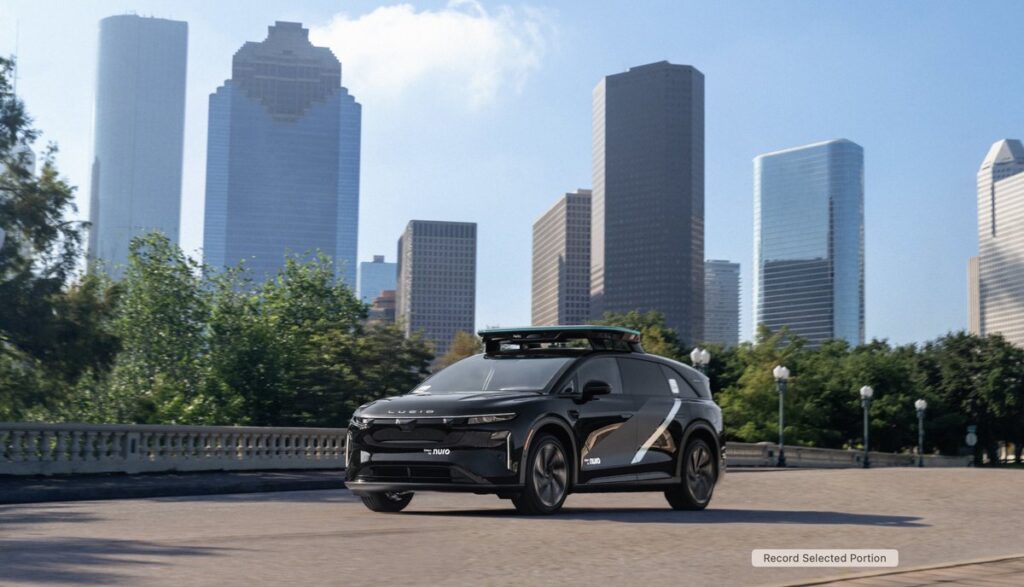
Uber is accelerating its autonomous driving ambitions with plans to launch a premium robotaxi service in Houston by mid-2027. The move marks the second U.S. city in Uber’s strategic partnership with electric vehicle manufacturer Lucid and autonomous driving technology company Nuro. The expansion comes as the three companies prepare to debut their first commercial robotaxi fleet in the San Francisco Bay Area later this year. Together, they aim to reshape the future of ride-hailing with AI-powered, fully electric, self-driving vehicles. Houston Becomes Uber’s Next Robotaxi Destination After San Francisco, Houston will become the next major market where Uber deploys its next-generation autonomous ride service. The Texas launch places Uber in direct competition with Waymo, Alphabet’s autonomous vehicle division, which already operates commercial robotaxi services in both San Francisco and Houston. Uber says this is only the beginning. The company plans to expand its autonomous transportation network to dozens of cities over the coming years as demand for driverless mobility continues to grow. How Uber’s Robotaxi Partnership Works Uber’s premium robotaxi program combines the strengths of three industry leaders: Rather than developing every component internally, Uber has built a collaborative ecosystem designed to scale autonomous transportation faster. Lucid Gravity SUVs Feature Advanced Self-Driving Technology The robotaxi fleet is built on the Lucid Gravity SUV, one of the newest luxury electric vehicles entering the autonomous mobility market. Each vehicle includes an advanced sensor suite designed for safe navigation in complex urban environments, including: Together, these technologies allow the autonomous driving system to detect vehicles, pedestrians, cyclists, traffic signals, and road conditions with exceptional precision. Driverless Testing Is Still Underway Although testing has expanded significantly, the robotaxis are not yet operating without human supervision. Nuro has been testing autonomous Lucid Gravity vehicles across San Francisco for several months and recently began allowing select Uber employees to request rides in the test fleet. The company also received a California permit allowing future testing without a safety driver. However, current public road testing continues with trained safety operators behind the wheel while engineers validate system performance. In Houston, Uber and Nuro are testing approximately 100 autonomous vehicles on public streets while also using closed-course testing facilities and advanced driving simulations to improve reliability before public deployment. Uber Expands Houston Infrastructure Ahead of Launch Preparing for a commercial robotaxi service requires more than autonomous vehicles. Uber has already invested heavily in Houston by establishing a 50,000-square-foot operations hub that will support the autonomous fleet. The facility includes: This operational center will play a critical role in keeping autonomous vehicles charged, maintained, and ready for passengers around the clock. Nuro’s Strategic Shift Is Paying Off The Uber partnership represents a major milestone for Nuro. After originally focusing on small autonomous delivery vehicles, the startup shifted its business strategy in 2024 to license its self-driving technology to automakers and mobility companies. That decision has positioned Nuro as a leading supplier of autonomous driving software rather than a manufacturer of vehicles. Working with Uber provides Nuro an opportunity to deploy its AI-powered autonomous platform at scale across major U.S. cities. Lucid Gains a New Growth Opportunity The partnership also creates significant opportunities for Lucid. Like many electric vehicle startups, Lucid has faced challenges expanding sales in a market still largely dominated by Tesla. Uber’s commitment offers Lucid a major commercial customer beyond traditional retail buyers. The ride-hailing company has agreed to purchase at least 35,000 robotaxi-ready Lucid vehicles, giving the automaker a substantial boost as it scales production of its premium electric SUVs. Uber Doubles Down on Autonomous Mobility Uber isn’t simply partnering with autonomous vehicle companies—it is investing directly in them. The company has reportedly invested approximately $500 million in Nuro while separately committing another $500 million to Lucid. These investments demonstrate Uber’s long-term strategy of integrating autonomous vehicles into its global transportation platform. Instead of building self-driving technology from scratch, Uber is leveraging partnerships with specialized companies to accelerate commercialization while reducing development risks. What This Means for Riders For passengers, Uber’s premium robotaxi service could introduce a new era of transportation that combines luxury electric vehicles with AI-powered autonomous driving. Potential benefits include: Uber has also focused heavily on the in-cabin experience, ensuring passengers can easily interact with the vehicle throughout their journey. The Future of Autonomous Ride-Hailing Uber’s Houston expansion signals that autonomous transportation is moving from pilot programs toward commercial reality. As AI, machine learning, sensor technology, and electric vehicles continue advancing, robotaxis are expected to become an increasingly common option in major metropolitan areas. Competition between Uber, Waymo, and other autonomous mobility providers will likely accelerate innovation while improving accessibility and convenience for riders across the United States. Final Thoughts Uber’s decision to launch its premium robotaxi service in Houston by 2027 represents another major step toward the future of autonomous transportation. By combining Lucid’s luxury electric SUVs, Nuro’s cutting-edge self-driving technology, and Uber’s global ride-hailing platform, the company is building a scalable robotaxi ecosystem designed for long-term growth. As testing expands and infrastructure develops, Houston is poised to become one of the nation’s leading cities for autonomous mobility. For consumers, the rollout offers an early glimpse into how AI-powered robotaxis could redefine daily transportation, making self-driving electric rides an increasingly familiar part of urban life. The source of this news is Tech Crunch.

Uber’s Premium Robotaxi Service Is Headed to Houston in 2027: How AI-Powered Self-Driving EVs Will Transform Urban Transportation Read More »

, , , , , , , , , , , , ,
ascend-elements-techmeo-com

EV Industry Shock: Ascend Elements Files for Bankruptcy After $900M Investment Struggles

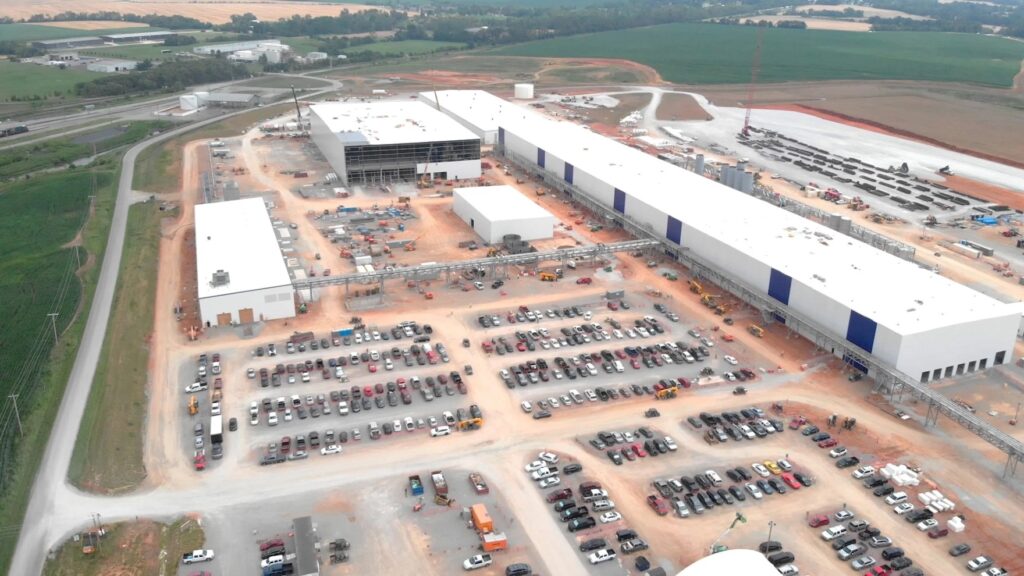
The U.S. electric vehicle supply chain is facing a major setback as Ascend Elements officially files for Chapter 11 bankruptcy, raising concerns about the future of battery recycling and EV infrastructure in America. After attracting nearly $900 million in investor funding, the company’s collapse highlights growing challenges in the evolving electric vehicle market. ⚠️ Why Ascend Elements Filed for Bankruptcy CEO Linh Austin described the company’s financial situation as “insurmountable,” signaling deep-rooted issues behind the decision. Key factors include: The situation worsened after a $316 million federal grant—critical for its expansion—was canceled, leaving a major funding gap despite partial disbursement. 🔋 What Ascend Elements Does Ascend Elements specializes in battery recycling technology, focusing on extracting valuable minerals from used lithium-ion batteries. Its process aims to: The company was building a massive 1 million-square-foot facility in Kentucky, intended to scale this technology for commercial use. 📉 EV Market Slowdown Adds Pressure Ascend’s financial troubles come at a time when the U.S. electric vehicle market is cooling down. Recent trends include: For instance, Volkswagen recently halted production of its ID.4 electric vehicle at its Tennessee plant, shifting focus back to gas-powered models. 💸 Investor Impact and Industry Concerns The bankruptcy is a significant blow to investors who had bet heavily on battery recycling as a key part of the EV ecosystem. It also raises broader questions: 🔮 What Happens Next? Filing for Chapter 11 allows Ascend Elements to restructure its operations while continuing limited business activities. Possible next steps include: 💡 Final Thoughts The bankruptcy of Ascend Elements underscores the volatility of the EV industry, especially for companies operating in emerging sectors like battery recycling. The source of this news is Tech Crunch. For TechMeo readers, this development is a reminder that while electric vehicles represent the future, the path forward is complex—shaped by market demand, policy decisions, and financial sustainability.

EV Industry Shock: Ascend Elements Files for Bankruptcy After $900M Investment Struggles Read More »

, , , , , , , ,