techmeo america

Siri-AI

Apple’s iOS 27 Beta Unlocks a More Human Siri: Users Can Now Customize Voice Pace, Expressivity, and AI Conversations

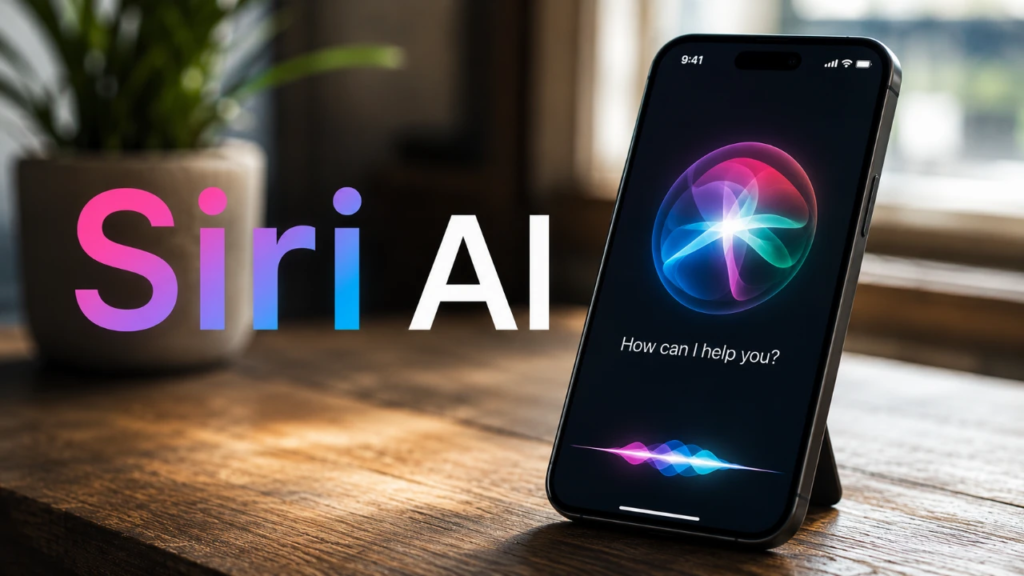
Apple is taking another major step in the AI race with the release of iOS 27 beta 3, introducing long-awaited voice customization features that make Siri more natural, conversational, and personal. The latest developer beta allows users to adjust Siri’s speaking pace and expressivity, giving iPhone owners greater control over how Apple’s AI assistant communicates. The update is part of Apple’s broader Apple Intelligence strategy, which aims to transform Siri into a next-generation generative AI assistant capable of delivering more engaging, personalized, and context-aware conversations. For developers and early adopters, the new beta offers a glimpse into how Apple plans to compete with AI-powered assistants like ChatGPT, Google Gemini, and Amazon Alexa. Apple Introduces Siri Voice Personalization in iOS 27 Beta 3 With iOS 27 beta 3, Apple has officially activated the Pace and Expressivity controls that were previously marked as “Coming Soon” in earlier developer previews. Instead of relying on fixed voice settings, users can now fine-tune how Siri sounds by adjusting: As users move the sliders, Siri immediately provides voice samples, such as announcing new messages, making it easy to compare different speaking styles before selecting their preferred experience. The feature gives users a significantly more personalized interaction with Apple’s digital assistant. Siri Becomes More Natural and Human-Like Voice assistants have evolved beyond answering simple questions. Today’s AI assistants are expected to communicate naturally, understand context, and adapt to individual user preferences. Apple’s latest update focuses on making Siri sound less robotic and more conversational by allowing users to personalize how expressive the assistant becomes during interactions. Whether someone prefers a calm, slower speaking style for clarity or a faster, energetic voice for daily productivity, Siri can now better match individual listening preferences. This personalization also improves accessibility for users who benefit from customized speech speed and clearer voice delivery. Apple Expands Its AI Strategy The Siri improvements are another milestone in Apple’s growing investment in generative artificial intelligence. Introduced during Apple Worldwide Developers Conference 2026, the redesigned Siri is deeply integrated into Apple Intelligence, Apple’s AI platform powering intelligent features across iPhone, iPad, and Mac. Unlike previous versions, the AI-powered Siri supports multiple interaction methods, including: These enhancements create a seamless AI experience regardless of how users prefer to communicate with their devices. How Siri Compares With ChatGPT and Other AI Assistants Apple’s customization options reflect a growing trend across the AI industry, where personalization has become a key competitive advantage. AI platforms increasingly allow users to modify how assistants respond, speak, and interact. While Apple’s latest update focuses on voice pace and emotional expression, competing AI assistants already offer broader customization options that include communication style, personality, tone, and response behavior. The addition of customizable speech controls demonstrates Apple’s commitment to narrowing the gap while maintaining its signature focus on privacy, usability, and seamless ecosystem integration. More Features Arrive in iOS 27 Beta 3 Beyond Siri, Apple has introduced several interface refinements in the latest developer beta. Notable changes include: Some beta testers have also reported temporary issues after updating, including Siri becoming unavailable while devices re-index local data. This behavior appears to be part of Apple’s optimization process as the AI system prepares personalized on-device intelligence. Because the software remains in beta, occasional bugs and feature interruptions are expected before the public release. Why This Update Matters Artificial intelligence is quickly becoming the centerpiece of the smartphone experience. Rather than simply responding to commands, digital assistants are evolving into intelligent companions capable of understanding context, adapting to user preferences, and delivering personalized experiences. Apple’s latest Siri enhancements demonstrate several important industry trends: These technologies are expected to define the next generation of smartphones and digital productivity tools. What iPhone Users Can Expect Currently, Siri’s new voice customization tools are available exclusively to developers testing iOS 27 beta 3. Apple is expected to expand availability through future beta releases before launching the official version of iOS 27 later this year for compatible iPhone models. Once released, millions of users will gain access to a significantly more personalized Siri experience designed to improve communication, productivity, and everyday interactions. Final Thoughts Apple’s latest iOS 27 beta marks an important evolution for Siri. By introducing customizable speaking pace and expressivity, the company is making its AI assistant feel more conversational, adaptable, and user-focused than ever before. As Apple continues expanding its Apple Intelligence ecosystem, Siri is becoming more than a traditional voice assistant—it is evolving into a personalized AI companion capable of delivering smarter, more natural interactions. For consumers, developers, and the broader technology industry, these enhancements signal Apple’s long-term commitment to shaping the future of artificial intelligence across its ecosystem. The source of this news is From Tech Crunch.


Apple’s iOS 27 Beta Unlocks a More Human Siri: Users Can Now Customize Voice Pace, Expressivity, and AI Conversations Read More »

, , , , , , , , , ,
xrp-etf-1

XRP’s Wall Street Moment: Why the CLARITY Act Could Unlock the Next Era of Blockchain Finance

The cryptocurrency industry has spent years promising to transform global finance. While many digital assets remain driven by speculation, one blockchain network is increasingly attracting attention from major financial institutions for a completely different reason—real-world settlement. In May 2026, a landmark blockchain transaction involving JPMorgan, Mastercard, and Ondo Finance demonstrated how tokenized U.S. Treasury securities can be settled on the XRP Ledger (XRPL). The successful pilot highlighted that blockchain technology is no longer limited to crypto trading. Instead, it is becoming part of institutional financial infrastructure. However, despite the technology proving its capabilities, one major obstacle remains: U.S. regulation. Many analysts believe the proposed CLARITY Act could provide the legal certainty needed for blockchain-based settlement to expand from pilot programs into mainstream financial markets. XRP Is Moving Beyond Cryptocurrency Trading For years, XRP has primarily been viewed as a digital asset whose price reacts to market sentiment and regulatory headlines. Today, its broader role is becoming more apparent. The XRP Ledger is increasingly being explored as infrastructure for settling tokenized real-world assets (RWAs), including government securities, payment transactions, and financial instruments. Unlike speculative crypto projects, XRPL focuses on: These characteristics have made it attractive to institutions exploring blockchain-based settlement. A Major Institutional Pilot Signals Growing Confidence One of the biggest developments came when JPMorgan, Mastercard, and Ondo Finance reportedly completed a settlement involving a tokenized U.S. Treasury on the XRP Ledger. Although the transaction operated as a pilot rather than a full-scale production system, it demonstrated that blockchain technology can successfully process institutional-grade financial assets. The significance extends far beyond XRP itself. It signals that some of the world’s largest financial organizations are actively experimenting with public blockchain networks for future settlement systems. Tokenization Is Becoming Wall Street’s Next Big Opportunity Tokenization refers to converting traditional assets into blockchain-based digital tokens. These assets may include: Rather than relying on multiple intermediaries, blockchain allows ownership records and payment settlement to occur almost simultaneously. This offers several potential advantages: Financial institutions increasingly see tokenization as a way to modernize decades-old settlement infrastructure. Why Current Settlement Systems Need Modernization Traditional securities settlement remains surprisingly slow. Even in today’s digital economy, transferring ownership of financial assets often requires multiple intermediaries, reconciliation processes, and waiting periods. Settlement delays increase: Blockchain technology has the potential to remove many of these inefficiencies. Instead of waiting days for transactions to finalize, tokenized assets can settle within seconds or minutes, depending on the underlying blockchain. That efficiency explains why institutions continue investing in blockchain infrastructure despite regulatory uncertainty. The Biggest Challenge Isn’t Technology—It’s Regulation Perhaps the most important takeaway from recent institutional pilots is that the technology already works. The missing piece is legal clarity. Currently, no comprehensive U.S. law clearly defines how tokenized securities settled on public blockchain networks should be regulated. Financial institutions therefore face important unanswered questions: Large banks cannot move trillions of dollars through infrastructure without knowing the legal framework. This uncertainty remains one of the largest barriers to institutional blockchain adoption. Why the CLARITY Act Matters The proposed CLARITY Act seeks to establish a comprehensive regulatory framework for digital assets in the United States. Supporters argue that the legislation could provide: Rather than changing blockchain technology itself, the bill aims to create legal certainty for companies already building blockchain infrastructure. Many industry observers believe this certainty is essential before large financial institutions expand blockchain settlement beyond pilot programs. XRP Ledger’s Growing Institutional Ecosystem The XRP Ledger is no longer supported solely by Ripple’s payment vision. Its ecosystem now includes multiple institutional initiatives involving: Reports indicate that the XRP Ledger hosts billions of dollars worth of tokenized real-world assets, illustrating growing enterprise interest. Although still small compared to traditional capital markets, this represents meaningful progress toward institutional adoption. RLUSD Adds Another Piece to the Puzzle Another important development is Ripple’s U.S. dollar-backed stablecoin, RLUSD. Stablecoins play a critical role in tokenized finance because they represent the cash side of blockchain settlement. When tokenized securities change ownership, payment typically requires a digital dollar. RLUSD is designed to fulfill that function. Its growing availability across multiple blockchain networks and integrations with payment infrastructure strengthen Ripple’s broader financial ecosystem. Together, XRP Ledger and RLUSD could eventually support both asset transfers and payment settlement within the same blockchain environment. Why Institutional Adoption Matters More Than Price Much of the crypto market focuses on short-term price movements. Institutional investors often evaluate something entirely different: Utility. If blockchain networks become essential infrastructure for financial markets, their long-term value may depend less on speculation and more on actual usage. Institutional adoption generally provides: For XRP supporters, these factors may ultimately prove more significant than temporary market fluctuations. Risks Investors Should Understand Despite growing momentum, several uncertainties remain. Regulatory Risk The CLARITY Act has not yet become law. Legislative outcomes remain uncertain, and future regulatory changes could alter the market landscape. Adoption Timeline Financial institutions traditionally adopt new infrastructure gradually. Even after regulatory clarity, widespread implementation may take years. Market Competition The XRP Ledger is not the only blockchain competing for institutional finance. Networks such as Ethereum, Stellar, Avalanche, and permissioned blockchain platforms are also pursuing tokenization opportunities. Competition will likely remain intense. What This Means for the Future of Blockchain Finance The recent institutional settlement involving tokenized U.S. Treasuries illustrates an important shift in blockchain’s evolution. Instead of focusing solely on cryptocurrencies, major financial organizations are increasingly exploring blockchain as critical financial infrastructure. If regulatory frameworks mature alongside technological innovation, tokenized securities and blockchain settlement could eventually become standard components of capital markets. Whether XRP ultimately becomes one of the leading settlement rails will depend not only on technology but also on legislation, institutional adoption, and continued ecosystem development. Final Thoughts The blockchain industry has reached an important crossroads. Technology is advancing faster than regulation, and institutional interest continues to grow. Recent pilots involving major financial organizations suggest blockchain-based settlement is no longer a theoretical concept—it is already being tested by some of the world’s largest financial players. The remaining challenge

XRP’s Wall Street Moment: Why the CLARITY Act Could Unlock the Next Era of Blockchain Finance Read More »

, , , , , , , , , ,
usa crypto

Bitcoin Mining Profits Shrink as AI Cloud Computing Gains Momentum: Why the Crypto Industry Is Entering a New Era

The cryptocurrency mining industry is undergoing a major transformation. As Bitcoin mining becomes more expensive following the latest halving event, U.S. mining companies are facing tighter profit margins, higher operating costs, and growing competition. At the same time, AI-powered cloud computing and cloud mining platforms are attracting increasing attention from crypto investors looking for alternative ways to participate in digital asset infrastructure without purchasing expensive mining equipment. This shift highlights how artificial intelligence is reshaping the future of cryptocurrency mining and digital asset management. Bitcoin Miners Face Mounting Financial Pressure The latest Bitcoin halving reduced block rewards, meaning miners now earn fewer Bitcoin for validating transactions on the blockchain. While the network remains secure, the reduced rewards have created new financial challenges for mining businesses across the United States. Several factors continue to pressure mining profitability, including: For many operators, improving efficiency has become just as important as increasing computing power. Why AI Is Becoming Important in Crypto Mining Artificial intelligence is beginning to play a larger role in cryptocurrency infrastructure. Modern AI systems can help optimize computing resources by: As mining becomes increasingly competitive, companies are exploring AI-driven technologies to maximize efficiency while lowering operational costs. Cloud Mining Continues to Expand Unlike traditional mining, cloud mining allows users to access computing power remotely instead of purchasing and maintaining physical mining machines. This model removes several common barriers to entry, including: Instead, users typically purchase or lease computing power through a cloud-based platform that manages the infrastructure on their behalf. Supporters of cloud mining believe it makes digital asset participation more accessible, while critics encourage investors to carefully evaluate providers and understand all associated risks before committing funds. Ei Crypto Highlights AI-Powered Cloud Computing Among the platforms promoting AI-powered cloud computing is Ei Crypto, which says it uses artificial intelligence to allocate computing resources automatically across its global infrastructure. According to the company, its platform supports multiple digital assets, including: The company states that users can choose a computing plan while the platform manages resource allocation, operational monitoring, and earnings calculations through automated systems. As with any cryptocurrency service, users should independently evaluate platform features, risks, fees, and regulatory considerations before investing. Security Remains a Top Priority Security has become one of the most important factors when choosing any cryptocurrency platform. Ei Crypto says its infrastructure includes several protective measures, such as: While these features are commonly promoted across the crypto industry, investors should always conduct independent research and verify security practices before depositing digital assets. How Cloud Computing Platforms Typically Work Many cloud computing services follow a straightforward onboarding process. Generally, users: Some providers also offer promotional bonuses or trial incentives for new customers. Investors should carefully review all terms and conditions before participating. AI Could Reshape the Future of Digital Asset Infrastructure Artificial intelligence is rapidly expanding beyond chatbots and automation into blockchain infrastructure. Industry experts believe AI could improve: These advancements may help mining operators reduce costs while improving scalability across global computing networks. What Investors Should Know Cloud mining offers convenience, but it also carries important considerations. Before using any cloud computing or mining platform, investors should: Performing thorough due diligence is essential before making any investment decision. Final Thoughts The cryptocurrency mining landscape is evolving rapidly. Rising electricity costs, lower Bitcoin mining rewards, and increasing competition are forcing traditional mining companies to rethink their business models. Meanwhile, AI-powered cloud computing is emerging as a technology trend that could improve operational efficiency and expand access to digital asset infrastructure. Platforms such as Ei Crypto are positioning themselves within this growing market by offering AI-managed cloud computing services and simplified participation models. As blockchain technology, artificial intelligence, and cloud infrastructure continue to converge, investors can expect further innovation across the crypto ecosystem. However, evaluating opportunities carefully and understanding the risks involved remain critical steps before participating in any digital asset or cloud mining platform. The source of this news is Crypto News.

Bitcoin Mining Profits Shrink as AI Cloud Computing Gains Momentum: Why the Crypto Industry Is Entering a New Era Read More »

, , , , , , , , , , ,
Elon Musk

Elon Musk Becomes the World’s First Trillionaire After SpaceX’s Blockbuster IPO Milestone

History was made on Wall Street as Elon Musk officially became the world’s first trillionaire, following the highly anticipated SpaceX initial public offering (IPO). The landmark debut pushed the entrepreneur’s estimated net worth beyond the $1 trillion mark, reinforcing his position as the wealthiest person on the planet. The achievement is driven primarily by the soaring value of SpaceX shares, combined with Musk’s substantial ownership in Tesla. While the milestone represents an extraordinary financial accomplishment, it also raises new discussions about corporate influence, executive power, and the future of the commercial space industry. SpaceX IPO Sends Musk’s Fortune Past $1 Trillion SpaceX entered the public markets with shares priced at $135 each, giving the aerospace company one of the largest market debuts in recent history. As the company’s founder and CEO, Musk retained an enormous ownership stake. Reports indicate that his SpaceX holdings alone were valued at approximately $860 billion immediately after the IPO pricing. When combined with the value of his Tesla shares and the strong first-day trading performance of SpaceX stock, Musk’s estimated net worth crossed the historic $1 trillion threshold. The milestone makes him the first individual ever to reach a four-comma fortune on paper. Why the SpaceX IPO Is So Significant SpaceX has transformed from a private rocket startup into one of the world’s most valuable aerospace and technology companies. Its business spans multiple high-growth sectors, including: Investors have long viewed SpaceX as one of the most valuable private technology companies, making its public listing one of the most anticipated IPOs of the decade. The successful launch into public markets significantly increased shareholder value while giving investors direct access to one of the fastest-growing companies in the global space economy. Tesla Continues to Strengthen Musk’s Wealth Although SpaceX played the largest role in pushing Musk past the trillion-dollar milestone, Tesla remains a major pillar of his financial portfolio. The electric vehicle manufacturer continues to be one of the world’s most valuable automakers, with investments spanning: The combination of Tesla and SpaceX gives Musk ownership across several of the world’s fastest-growing technology industries. More Wealth Could Be on the Horizon Financial analysts believe Musk’s fortune could continue growing in the coming years. Tesla shareholders previously approved an executive compensation package tied to ambitious operational and market value targets. If those performance milestones are achieved, the package could become one of the largest executive compensation plans ever awarded. In addition, Musk owns a large number of SpaceX shares that remain subject to specific long-term conditions. While certain shares cannot currently be sold under the company’s structure, they may still serve as collateral for borrowing, allowing access to significant liquidity without selling the underlying assets. Musk Maintains Strong Control Over SpaceX Despite becoming a publicly traded company, SpaceX remains heavily influenced by its founder. Musk reportedly controls more than 80% of the company’s voting power, giving him significant authority over corporate governance. His influence includes: This governance structure allows Musk to retain substantial decision-making power even after the company’s stock market debut. A Historic Financial Milestone Sparks Debate Musk’s rise to trillionaire status has generated widespread discussion beyond financial markets. Supporters point to his role in advancing: Critics, however, continue to question the concentration of wealth and corporate influence, particularly given Musk’s involvement in political and public policy matters. His growing financial influence has intensified conversations surrounding executive accountability, regulatory oversight, and the broader role of billionaire entrepreneurs in shaping technology and government initiatives. Space Economy Growth Continues to Accelerate The SpaceX IPO reflects increasing investor confidence in the commercial space industry. Demand continues expanding across several key sectors, including: Industry analysts expect global investment in space technology to grow substantially over the next decade as governments and private companies increase spending on aerospace innovation. What This Means for Investors The successful SpaceX IPO demonstrates strong investor appetite for companies operating at the intersection of advanced technology, artificial intelligence, aerospace engineering, and next-generation infrastructure. Public investors now have exposure to one of the industry’s most influential companies, although future performance will depend on execution, technological advancements, regulatory developments, and broader market conditions. As competition in the commercial space sector intensifies, investors will closely monitor SpaceX’s ability to maintain its leadership position. Final Thoughts Elon Musk’s rise as the world’s first trillionaire marks a historic moment in both financial markets and the technology industry. The successful SpaceX IPO significantly boosted his estimated wealth while highlighting the growing importance of commercial space exploration and advanced innovation. Beyond the record-breaking valuation, the milestone reflects the expanding role of aerospace, electric vehicles, artificial intelligence, and private investment in shaping the future of technology. As SpaceX begins its journey as a publicly traded company, investors and industry leaders will be watching closely to see how its next chapter influences the global space economy and the broader tech landscape. The source of this news is Tech Crunch.

Elon Musk Becomes the World’s First Trillionaire After SpaceX’s Blockbuster IPO Milestone Read More »

, , , , , , , , , , ,
Uber will bring its premium robotaxi service to Houston in 2027

Uber’s Premium Robotaxi Service Is Headed to Houston in 2027: How AI-Powered Self-Driving EVs Will Transform Urban Transportation

Uber is accelerating its autonomous driving ambitions with plans to launch a premium robotaxi service in Houston by mid-2027. The move marks the second U.S. city in Uber’s strategic partnership with electric vehicle manufacturer Lucid and autonomous driving technology company Nuro. The expansion comes as the three companies prepare to debut their first commercial robotaxi fleet in the San Francisco Bay Area later this year. Together, they aim to reshape the future of ride-hailing with AI-powered, fully electric, self-driving vehicles. Houston Becomes Uber’s Next Robotaxi Destination After San Francisco, Houston will become the next major market where Uber deploys its next-generation autonomous ride service. The Texas launch places Uber in direct competition with Waymo, Alphabet’s autonomous vehicle division, which already operates commercial robotaxi services in both San Francisco and Houston. Uber says this is only the beginning. The company plans to expand its autonomous transportation network to dozens of cities over the coming years as demand for driverless mobility continues to grow. How Uber’s Robotaxi Partnership Works Uber’s premium robotaxi program combines the strengths of three industry leaders: Rather than developing every component internally, Uber has built a collaborative ecosystem designed to scale autonomous transportation faster. Lucid Gravity SUVs Feature Advanced Self-Driving Technology The robotaxi fleet is built on the Lucid Gravity SUV, one of the newest luxury electric vehicles entering the autonomous mobility market. Each vehicle includes an advanced sensor suite designed for safe navigation in complex urban environments, including: Together, these technologies allow the autonomous driving system to detect vehicles, pedestrians, cyclists, traffic signals, and road conditions with exceptional precision. Driverless Testing Is Still Underway Although testing has expanded significantly, the robotaxis are not yet operating without human supervision. Nuro has been testing autonomous Lucid Gravity vehicles across San Francisco for several months and recently began allowing select Uber employees to request rides in the test fleet. The company also received a California permit allowing future testing without a safety driver. However, current public road testing continues with trained safety operators behind the wheel while engineers validate system performance. In Houston, Uber and Nuro are testing approximately 100 autonomous vehicles on public streets while also using closed-course testing facilities and advanced driving simulations to improve reliability before public deployment. Uber Expands Houston Infrastructure Ahead of Launch Preparing for a commercial robotaxi service requires more than autonomous vehicles. Uber has already invested heavily in Houston by establishing a 50,000-square-foot operations hub that will support the autonomous fleet. The facility includes: This operational center will play a critical role in keeping autonomous vehicles charged, maintained, and ready for passengers around the clock. Nuro’s Strategic Shift Is Paying Off The Uber partnership represents a major milestone for Nuro. After originally focusing on small autonomous delivery vehicles, the startup shifted its business strategy in 2024 to license its self-driving technology to automakers and mobility companies. That decision has positioned Nuro as a leading supplier of autonomous driving software rather than a manufacturer of vehicles. Working with Uber provides Nuro an opportunity to deploy its AI-powered autonomous platform at scale across major U.S. cities. Lucid Gains a New Growth Opportunity The partnership also creates significant opportunities for Lucid. Like many electric vehicle startups, Lucid has faced challenges expanding sales in a market still largely dominated by Tesla. Uber’s commitment offers Lucid a major commercial customer beyond traditional retail buyers. The ride-hailing company has agreed to purchase at least 35,000 robotaxi-ready Lucid vehicles, giving the automaker a substantial boost as it scales production of its premium electric SUVs. Uber Doubles Down on Autonomous Mobility Uber isn’t simply partnering with autonomous vehicle companies—it is investing directly in them. The company has reportedly invested approximately $500 million in Nuro while separately committing another $500 million to Lucid. These investments demonstrate Uber’s long-term strategy of integrating autonomous vehicles into its global transportation platform. Instead of building self-driving technology from scratch, Uber is leveraging partnerships with specialized companies to accelerate commercialization while reducing development risks. What This Means for Riders For passengers, Uber’s premium robotaxi service could introduce a new era of transportation that combines luxury electric vehicles with AI-powered autonomous driving. Potential benefits include: Uber has also focused heavily on the in-cabin experience, ensuring passengers can easily interact with the vehicle throughout their journey. The Future of Autonomous Ride-Hailing Uber’s Houston expansion signals that autonomous transportation is moving from pilot programs toward commercial reality. As AI, machine learning, sensor technology, and electric vehicles continue advancing, robotaxis are expected to become an increasingly common option in major metropolitan areas. Competition between Uber, Waymo, and other autonomous mobility providers will likely accelerate innovation while improving accessibility and convenience for riders across the United States. Final Thoughts Uber’s decision to launch its premium robotaxi service in Houston by 2027 represents another major step toward the future of autonomous transportation. By combining Lucid’s luxury electric SUVs, Nuro’s cutting-edge self-driving technology, and Uber’s global ride-hailing platform, the company is building a scalable robotaxi ecosystem designed for long-term growth. As testing expands and infrastructure develops, Houston is poised to become one of the nation’s leading cities for autonomous mobility. For consumers, the rollout offers an early glimpse into how AI-powered robotaxis could redefine daily transportation, making self-driving electric rides an increasingly familiar part of urban life. The source of this news is Tech Crunch.

Uber’s Premium Robotaxi Service Is Headed to Houston in 2027: How AI-Powered Self-Driving EVs Will Transform Urban Transportation Read More »

, , , , , , , , , , , , ,
App

FTC Lawsuit Exposes Massive Subscription Scam Network That Outsmarted Apple and Google App Store Safeguards

Millions of smartphone users trust app stores to provide safe and reliable applications. However, a newly filed lawsuit by the U.S. Federal Trade Commission (FTC) suggests that even Apple’s App Store and Google Play Store can struggle to stop sophisticated subscription scam networks. According to the FTC, a company called Genesis Tech allegedly built a complex web of shell companies and deceptive mobile apps that generated hundreds of millions of dollars while making it difficult for consumers to cancel recurring subscriptions. The case highlights growing concerns about subscription scams, mobile app fraud, digital payments, and the limitations of current app store enforcement systems. FTC Alleges Genesis Tech Operated a Global Subscription Scam The FTC claims Genesis Tech orchestrated an extensive operation using multiple subsidiaries registered in Cyprus while conducting operations in Ukraine. These companies allegedly marketed numerous mobile apps to U.S. consumers under different business names, making it difficult for regulators and payment providers to identify their connections. Among the apps named in the complaint were popular services focused on fitness, nutrition, PDF editing, productivity, fashion, astrology, and habit tracking. Between early 2023 and mid-2025, these applications reportedly generated nearly $250 million in global revenue. During a separate 12-month period ending in September 2025, transactions processed through connected PayPal merchant accounts reportedly approached $700 million, according to the lawsuit. How the Alleged Scam Avoided Detection Rather than relying on a single developer account, the FTC alleges Genesis Tech continuously created new corporate entities and merchant accounts to hide its identity. The complaint claims the company regularly: This strategy allegedly allowed the organization to remain active for years despite growing complaints from consumers. The lawsuit demonstrates how modern app fraud has evolved from isolated scam apps into highly organized business networks capable of avoiding traditional enforcement measures. Deceptive Subscription Practices Targeted Consumers The FTC alleges many of Genesis Tech’s mobile apps attracted users by advertising free trials or inexpensive introductory offers. However, after signing up, customers were allegedly enrolled in recurring auto-renewing subscriptions that were far more expensive than expected. According to the complaint, consumers also experienced several deceptive practices, including: The agency argues these practices violated consumer protection laws designed to ensure transparency in online purchases. Why Canceling Became So Difficult One of the FTC’s strongest allegations centers on the cancellation process. Rather than providing simple cancellation options, the complaint claims some apps and websites either buried the cancellation feature or failed to offer one altogether. As a result, many users reportedly continued paying for subscriptions they believed had already been canceled. The FTC argues that businesses cannot legally make enrollment effortless while intentionally creating obstacles for customers attempting to end recurring payments. FTC Says Consumer Protection Laws Were Violated The lawsuit accuses Genesis Tech of violating both the Federal Trade Commission Act and the Restore Online Shoppers’ Confidence Act (ROSCA). ROSCA requires companies selling online subscriptions to: The FTC alleges Genesis Tech failed to meet these legal requirements through misleading marketing and deceptive billing practices. The complaint also names several company executives and associates as co-defendants. The case will proceed in the U.S. District Court for the Northern District of California. Apple and Google Face Growing Challenges Although Apple and Google maintain review processes for apps entering their marketplaces, this lawsuit underscores the increasing sophistication of fraudulent developers. Instead of operating under a single company, bad actors now create networks of businesses, payment accounts, and international entities that make enforcement significantly more difficult. This approach allows developers to launch multiple apps across different categories while avoiding detection for extended periods. The case raises broader questions about whether existing app review systems are equipped to identify large-scale fraud networks operating behind seemingly unrelated brands. Subscription Scams Continue to Rise The Genesis Tech lawsuit is not an isolated enforcement action. Over the past several years, the FTC has investigated companies across multiple digital industries, including anonymous social apps, dating platforms, gig economy services, children’s app developers, advertising technology firms, and data brokers accused of deceptive business practices. These actions reflect the agency’s increasing focus on protecting consumers from hidden fees, misleading subscriptions, unauthorized charges, and digital marketplace fraud. How Consumers Can Protect Themselves As subscription-based apps become more common, users should remain cautious before downloading unfamiliar applications. Experts recommend several best practices: Taking a few extra minutes to verify payment terms can help prevent costly recurring charges later. Final Thoughts The FTC’s lawsuit against Genesis Tech exposes how organized subscription scam networks can exploit weaknesses in today’s app store ecosystem. By allegedly using shell companies, multiple payment processors, and deceptive subscription tactics, the company generated massive revenue while making cancellations unnecessarily difficult for consumers. As mobile subscriptions continue to dominate the app economy, regulators, technology companies, and payment providers will likely face increasing pressure to strengthen fraud detection and improve consumer protections. For users, the case serves as a reminder that understanding subscription terms before downloading an app is more important than ever. The source of this news is Tech Crunch.

FTC Lawsuit Exposes Massive Subscription Scam Network That Outsmarted Apple and Google App Store Safeguards Read More »

, , , , , , , , , ,
Social media next evolution

Social media’s next evolution: user-controlled algorithms is no longer just a concept

it’s becoming the new standard across major platforms. Tech giants are moving away from opaque recommendation systems and giving users direct influence over the content they see. Powered by artificial intelligence (AI) and large language models (LLMs), these new personalization tools promise a more transparent, customizable, and engaging social media experience. As platforms compete for user attention, personalized algorithms have become a key differentiator. Instead of relying solely on likes, shares, and watch history, users can now actively train their feeds, ensuring recommendations better reflect their interests while filtering out unwanted content. Social Media Is Shifting Toward User-Controlled AI Algorithms For years, recommendation algorithms worked behind the scenes. Users could follow creators, mute accounts, or click “Not Interested,” but the final decision about what appeared in their feeds remained with the platform. That model is rapidly changing. Leading platforms like Threads, Instagram, and TikTok are introducing AI-powered personalization tools that allow users to directly influence recommendation engines. This shift transforms social media feeds from passive content streams into highly customizable experiences. The goal is simple: give users greater control while increasing engagement through more relevant content. Why Personalized Algorithms Matter Modern AI recommendation systems analyze thousands of signals, including: Instead of assuming what users want, platforms now ask them directly. This creates several benefits: For technology companies, better personalization also means higher engagement, longer session times, and improved user retention. Threads Introduces Private AI Feed Controls Threads has taken one of the biggest steps toward user-controlled algorithms. After launching its public Dear Algo feature earlier this year, the platform expanded personalization with the new Your Algo tool. Previously, users had to publish public posts requesting algorithm changes, such as asking for more podcast recommendations or fewer celebrity updates. Now those preferences remain completely private. Users can simply tell Threads they want: Even better, users decide how long these preferences remain active—one day, three days, or an entire week. This temporary personalization gives people greater flexibility without permanently changing their recommendation profile. Instagram Makes AI Recommendations More Transparent Instagram is also embracing algorithm transparency. Its Your Algorithm feature now lets users view exactly which interests influence recommendations across: Instead of guessing why certain posts appear, users can see the categories Instagram associates with their profile. If those assumptions are inaccurate, they can immediately adjust them. For example, users can indicate greater interest in: Or reduce recommendations from categories they rarely enjoy. Instagram Head Adam Mosseri has explained that large language models are helping make recommendation systems easier to understand by allowing users to communicate preferences more naturally while explaining why content appears. This represents a significant shift from traditional “black box” algorithms. TikTok Continues Expanding Feed Personalization TikTok introduced its Manage Topics feature in 2024, allowing users to fine-tune the balance of different content categories appearing in the For You feed. Instead of blocking entire subjects, users simply adjust sliders that increase or reduce recommendations in areas such as: The system gives users much finer control over content discovery. TikTok later strengthened personalization by adding AI-powered Smart Keyword Filters. Unlike traditional keyword blocking, artificial intelligence automatically recognizes related words and similar meanings. For example, filtering “remodeling” can also reduce videos mentioning: This smarter filtering creates a cleaner, more personalized browsing experience without requiring users to block every possible variation manually. AI Is Making Recommendation Systems Smarter Artificial intelligence has evolved far beyond simple engagement tracking. Today’s recommendation engines increasingly rely on: Rather than only predicting what users might enjoy, AI systems can now respond directly to user instructions. This creates recommendation engines that continuously adapt in real time while becoming easier to understand and manage. Why This Trend Matters for the Future of Social Media User-controlled algorithms represent one of the biggest changes in social media since personalized feeds first replaced chronological timelines. Consumers increasingly expect: Platforms that provide these features are likely to build stronger trust while keeping users engaged for longer periods. At the same time, content creators may need to rethink optimization strategies. Success will depend less on trying to “beat the algorithm” and more on producing high-quality, relevant content that users actively choose to prioritize. The Future of AI-Powered Personalized Feeds The evolution of recommendation systems is only beginning. Future AI algorithms may allow users to customize feeds using natural language conversations, automatically adjust preferences based on changing interests, and explain every recommendation with complete transparency. As artificial intelligence continues advancing, social media platforms are transforming from platforms that decide what users should watch into intelligent systems that learn directly from individual preferences. That shift puts users—not algorithms—in the driver’s seat. Final Thoughts The rise of user-controlled algorithms marks a major turning point in the evolution of social media. Threads, Instagram, and TikTok are leading the transition toward AI-powered personalization that gives people more influence over what they see every day. For users, the benefits include smarter recommendations, greater transparency, and improved content discovery. For technology companies, personalized AI feeds create stronger engagement and long-term loyalty. As AI, machine learning, and natural language processing continue to evolve, customizable recommendation systems are expected to become a defining feature of the next generation of social media platforms, reshaping how millions of people discover information, entertainment, and online communities. The source of this news is Tech Crunch.

Social media’s next evolution: user-controlled algorithms is no longer just a concept Read More »

, , , , , , , , ,
ascend-elements-techmeo-com

EV Industry Shock: Ascend Elements Files for Bankruptcy After $900M Investment Struggles

The U.S. electric vehicle supply chain is facing a major setback as Ascend Elements officially files for Chapter 11 bankruptcy, raising concerns about the future of battery recycling and EV infrastructure in America. After attracting nearly $900 million in investor funding, the company’s collapse highlights growing challenges in the evolving electric vehicle market. ⚠️ Why Ascend Elements Filed for Bankruptcy CEO Linh Austin described the company’s financial situation as “insurmountable,” signaling deep-rooted issues behind the decision. Key factors include: The situation worsened after a $316 million federal grant—critical for its expansion—was canceled, leaving a major funding gap despite partial disbursement. 🔋 What Ascend Elements Does Ascend Elements specializes in battery recycling technology, focusing on extracting valuable minerals from used lithium-ion batteries. Its process aims to: The company was building a massive 1 million-square-foot facility in Kentucky, intended to scale this technology for commercial use. 📉 EV Market Slowdown Adds Pressure Ascend’s financial troubles come at a time when the U.S. electric vehicle market is cooling down. Recent trends include: For instance, Volkswagen recently halted production of its ID.4 electric vehicle at its Tennessee plant, shifting focus back to gas-powered models. 💸 Investor Impact and Industry Concerns The bankruptcy is a significant blow to investors who had bet heavily on battery recycling as a key part of the EV ecosystem. It also raises broader questions: 🔮 What Happens Next? Filing for Chapter 11 allows Ascend Elements to restructure its operations while continuing limited business activities. Possible next steps include: 💡 Final Thoughts The bankruptcy of Ascend Elements underscores the volatility of the EV industry, especially for companies operating in emerging sectors like battery recycling. The source of this news is Tech Crunch. For TechMeo readers, this development is a reminder that while electric vehicles represent the future, the path forward is complex—shaped by market demand, policy decisions, and financial sustainability.

EV Industry Shock: Ascend Elements Files for Bankruptcy After $900M Investment Struggles Read More »

, , , , , , , ,
snap-ai-glasses-techmeo-com

Snap’s AI-Powered Spectacles Are Back: New Qualcomm Deal Signals Smart Glasses Comeback

After years of silence, Snap is finally moving closer to launching its long-awaited AI-powered smart glasses, reigniting excitement in the augmented reality (AR) space. With a fresh partnership and renewed focus, the company is preparing to bring its next-generation wearable—Spectacles, also known as Specs—to market later this year. 🤝 Qualcomm Partnership Powers the Comeback Snap’s AR-focused subsidiary, Specs, has teamed up with Qualcomm to power its upcoming smart glasses. The devices will run on Qualcomm’s Snapdragon XR platforms, designed specifically for augmented and virtual reality experiences. This multi-year partnership aims to deliver: The collaboration signals a major step forward in making lightweight, powerful AI wearables a reality. 🕶️ What Are Snap Spectacles? Snap Spectacles are wearable smart glasses designed to blend the physical and digital worlds. Unlike earlier versions focused on capturing video, the new generation is expected to emphasize: Snap CEO Evan Spiegel stated that this partnership will push the boundaries of what’s possible in wearable technology. 🔄 A Long Journey to Relaunch Snap’s journey with smart glasses has been anything but smooth. The company first introduced Spectacles over a decade ago, with the last consumer release in 2019. Since 2024: Now, the company appears ready to re-enter the consumer market with a more advanced product. 🚀 Why AI Glasses Matter Now The timing couldn’t be better. AI-powered devices are rapidly gaining traction, and smart glasses are emerging as the next frontier in personal computing. Key trends driving this shift: Snap’s new Spectacles aim to compete in a space where companies are racing to define the future of wearable tech. 🔮 What to Expect Next While Snap hasn’t revealed an official release date, the Qualcomm partnership strongly संकेत (signals) that development is entering its final stages. Consumers and developers can expect: 💡 Final Thoughts With backing from Qualcomm and a renewed strategy, Snap is positioning itself to make a serious comeback in the smart glasses market. The source of this news is Tech Crunch. For TechMeo readers, this marks an exciting shift: AI-powered wearables are no longer a concept—they’re becoming the next big platform in tech.

Snap’s AI-Powered Spectacles Are Back: New Qualcomm Deal Signals Smart Glasses Comeback Read More »

, , , , , , , , ,
elon-musk-terafab-techmeo-com

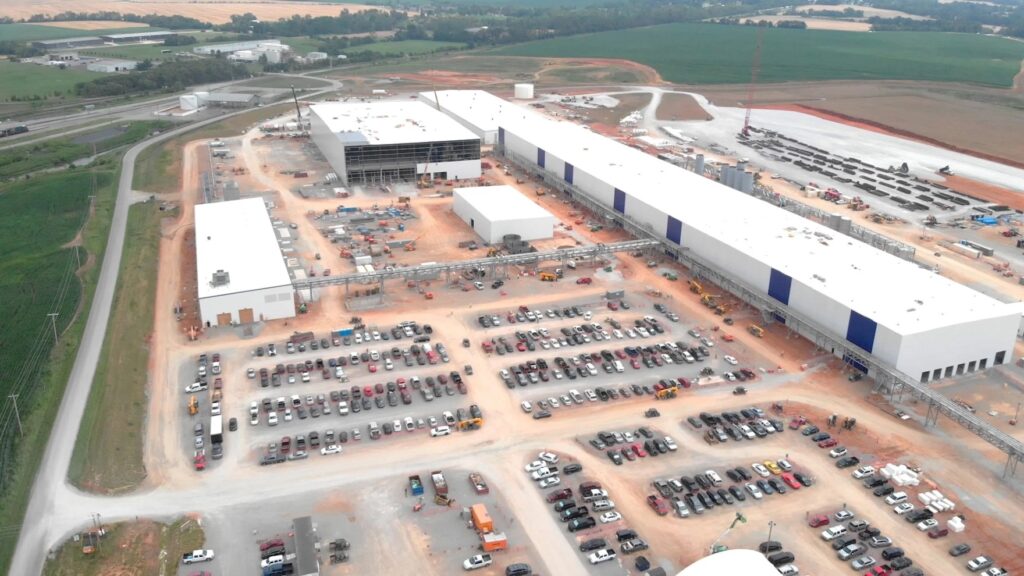
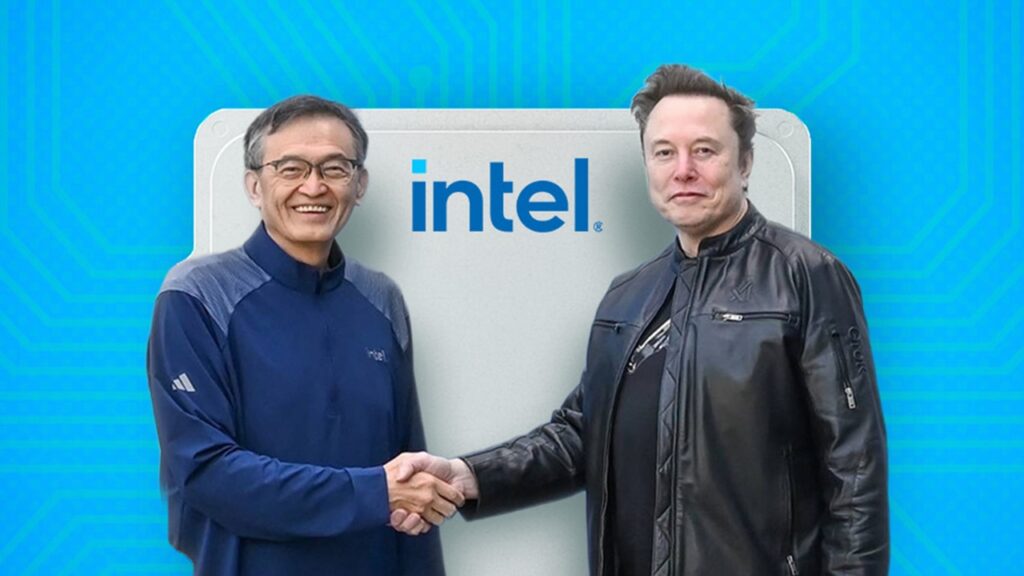
Intel Joins Elon Musk’s Terafab Project: New Texas Chip Factory Aims to Power AI and Robotics Boom

In a major move for the U.S. semiconductor industry, Intel has officially joined a high-profile initiative led by Elon Musk to build a next-generation chip manufacturing facility in Texas. The ambitious “Terafab” project, backed by SpaceX and Tesla, aims to produce massive computing power to support the future of artificial intelligence, robotics, and space technologies. 🚀 What Is the Terafab Project? The Terafab initiative is designed to create a cutting-edge semiconductor factory capable of producing up to 1 terawatt (1 TW) of compute annually—a massive leap in processing capacity. This compute power could fuel: The vision reflects Elon Musk’s broader strategy to integrate AI across industries—from Earth to orbit. 🏭 Intel’s Role: Manufacturing Powerhouse Intel brings critical expertise to the project. As one of the few companies capable of designing, fabricating, and packaging high-performance chips at scale, Intel is expected to handle the most complex part of the operation: chip manufacturing. Although the exact scope of its involvement hasn’t been fully disclosed, Intel stated that its capabilities will help accelerate Terafab’s mission. This partnership also gives Intel two major anchor clients—Tesla and SpaceX—boosting its foundry business ambitions. ⚠️ Why Building a Chip Factory Is So Challenging Constructing a semiconductor fabrication plant (fab) is one of the most expensive and complex projects in tech: Previously, questions were raised about how Tesla and SpaceX—companies without chip manufacturing experience—could execute such a project. Intel’s involvement now provides a clear answer. 📊 Strategic Shift in the Chip Industry Once the dominant U.S. chipmaker, Intel has faced strong competition from rivals like Nvidia and AMD, which adopted a fabless model—designing chips while outsourcing manufacturing. By joining Terafab, Intel is doubling down on its manufacturing-first strategy, aiming to reclaim leadership in semiconductor production. Following the announcement, Intel’s stock saw a notable rise, reflecting investor optimism about the partnership. 🔮 What This Means for the Future of AI The Terafab project signals a major shift in how tech giants approach infrastructure: If successful, this initiative could redefine global competition in semiconductors and AI computing. 💡 Final Thoughts The collaboration between Intel, Tesla, and SpaceX marks a bold step toward the future of high-performance computing. The source of this news is Tech Crunch. For TechMeo readers, this is more than just a business deal—it’s a glimpse into the next era of AI infrastructure, where massive compute power will drive everything from self-driving cars to space-based data systems.

Intel Joins Elon Musk’s Terafab Project: New Texas Chip Factory Aims to Power AI and Robotics Boom Read More »

, , , , , , , , , , ,