
SpaceX

www-beepinsider-com

Elon Musk’s Boring Company Eyes $20 Billion Valuation in New Funding Round as Tunnel Expansion Accelerates

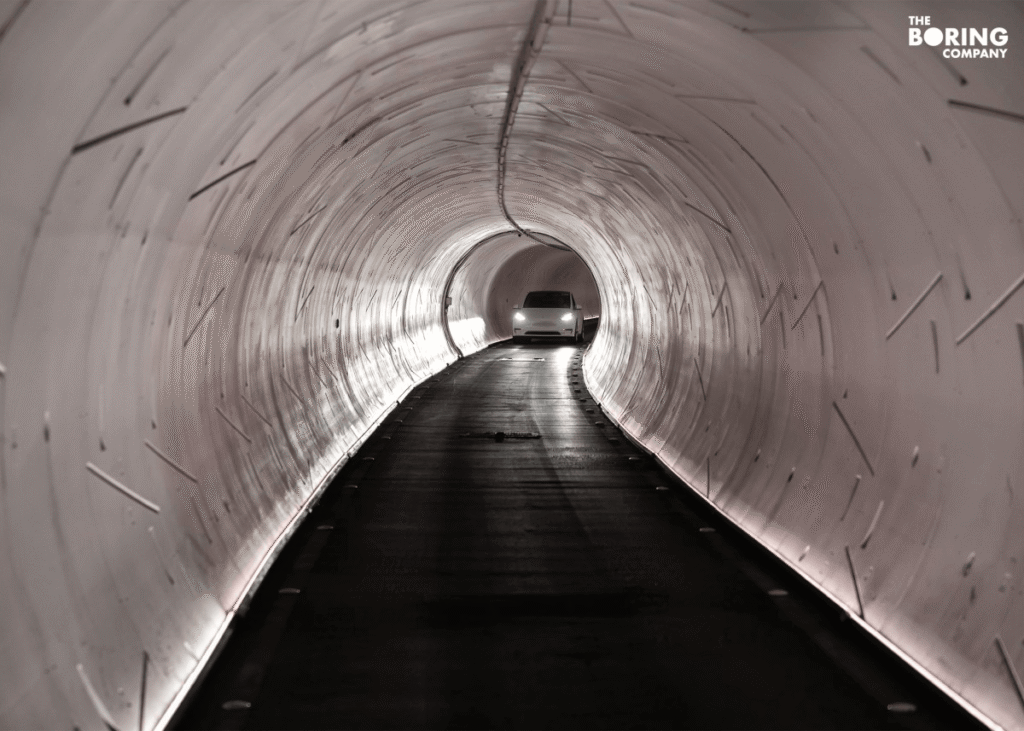
Elon Musk’s Boring Company is reportedly preparing for one of its biggest financial milestones yet. The underground transportation startup is said to be in discussions to raise $4 billion in fresh funding at a $20 billion valuation, signaling renewed investor confidence in its long-term vision for urban transit infrastructure. If completed, the deal would represent a dramatic leap from the company’s $5.7 billion valuation in 2022, highlighting growing interest in futuristic transportation technologies despite operational and regulatory challenges. The Boring Company Reportedly Seeks $4 Billion in New Capital According to reports, The Boring Company is negotiating a funding round that could value the startup at approximately $20 billion. The financing has not yet been finalized, and both the investment amount and valuation remain subject to change until agreements are completed. A successful fundraising round would provide significant capital to accelerate tunnel construction, expand infrastructure projects, and strengthen the company’s position in the rapidly evolving transportation technology sector. Massive Growth Since 2022 The reported valuation represents a remarkable increase from the company’s previous valuation of $5.7 billion, achieved during its 2022 funding round. The jump reflects continued investor optimism surrounding: As governments search for alternatives to overcrowded roads, innovative transit systems are attracting increasing attention from both public and private investors. How The Boring Company Is Transforming Urban Transportation Founded after spinning out from SpaceX in 2018, The Boring Company focuses on building underground tunnel networks designed to reduce traffic congestion in major cities. Its flagship project operates in Las Vegas, where passengers travel between stations using Tesla vehicles through a network of underground tunnels combined with surface transportation routes. The company believes underground transportation systems can move people more efficiently while reducing traffic delays in densely populated urban areas. Expansion Plans Continue Worldwide The Boring Company is actively pursuing several high-profile expansion projects. Current and proposed developments include: These initiatives reflect the company’s ambition to become a global leader in next-generation transportation infrastructure. Regulatory Challenges Remain Despite its ambitious growth plans, The Boring Company has faced criticism regarding workplace safety and environmental compliance. Reports have highlighted workplace injuries involving tunnel construction workers during previous projects. Additionally, Nevada regulators have alleged numerous environmental compliance violations connected to the company’s construction activities. While these issues have attracted regulatory scrutiny, the company continues pursuing expansion opportunities across multiple regions. Investors Continue Betting on Elon Musk’s Vision Elon Musk remains one of the world’s most influential technology entrepreneurs, leading companies across electric vehicles, artificial intelligence, aerospace, robotics, and infrastructure. Many investors continue backing Musk-led ventures because of their long-term innovation potential, even when projects involve significant technical or regulatory risks. The reported funding discussions suggest that investor confidence in underground transportation remains strong despite ongoing operational challenges. Relationship With SpaceX The Boring Company originated as a SpaceX initiative before becoming an independent business in 2018. SpaceX recently made headlines after completing one of the largest public offerings in history. Although its share price has experienced volatility following the listing, investor interest across Musk’s portfolio of companies remains significant. The continued fundraising efforts at The Boring Company further demonstrate the market’s willingness to invest in ambitious infrastructure and mobility technologies. What the Reported Valuation Means If the funding round closes at the reported valuation, The Boring Company would join the ranks of the world’s most valuable privately backed infrastructure technology firms. The additional capital could help the company: As cities worldwide search for innovative solutions to traffic congestion and urban mobility challenges, underground transportation systems may become an increasingly important part of future smart city planning. Whether the reported $20 billion valuation is finalized or adjusted during negotiations, the funding discussions underscore growing investor interest in companies working to redefine how people move through modern cities. The Source of this news is Tech Crunch.
Elon Musk’s Boring Company Eyes $20 Billion Valuation in New Funding Round as Tunnel Expansion Accelerates Read More »

, , , , , , , , , , , , ,
spacex

SpaceX Aborts Starship V3 Launch Seconds After Ignition: Engine Failure Delays Next-Gen Starlink Mission

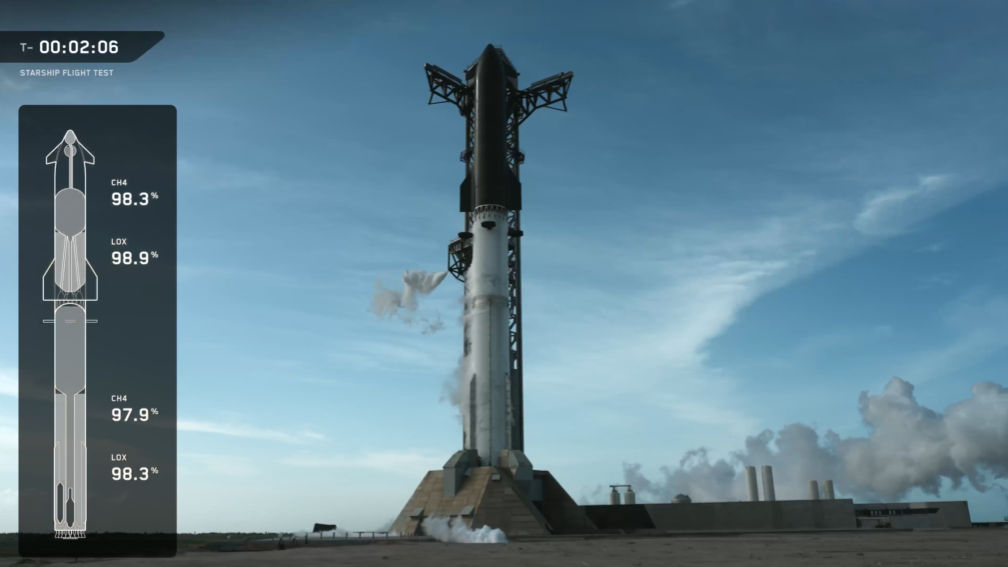
SpaceX’s latest Starship V3 launch ended in a dramatic last-second abort after multiple engines failed to ignite, delaying the company’s plans to deploy its first third-generation Starlink satellites. The unexpected shutdown occurred just moments after the countdown reached zero at SpaceX’s Starbase facility in South Texas. The launch setback comes at a critical time for SpaceX, which is pushing forward with its ambitious next-generation rocket program while navigating life as a newly public company. Although the mission was halted safely by the automated launch system, investors quickly reacted, sending the company’s stock lower in after-hours trading. Why SpaceX Aborted the Starship V3 Launch The launch countdown appeared to progress normally until the final seconds. After a brief hold at T-minus one minute, the countdown resumed, and the launch pad’s water suppression system activated as expected. However, immediately after ignition, the rocket’s engines shut down before liftoff. According to SpaceX CEO Elon Musk, the automated safety system detected that some Raptor engines failed to start, triggering an automatic launch abort. Rather than risking a failed launch, the system safely terminated the countdown before the rocket left the launch pad. Musk later confirmed that SpaceX plans to replace two engines before attempting another launch, with the next opportunity expected sometime next week. What Went Wrong? Early broadcast telemetry suggested that four upgraded Raptor engines may not have ignited correctly during startup. Although SpaceX has not released a complete technical analysis, engineers will now: The automatic abort demonstrates one of the key safety advantages built into modern launch systems—detecting anomalies before a rocket leaves the ground. Starship V3 Is a Major Upgrade Starship Version 3 represents SpaceX’s most advanced launch vehicle to date. The upgraded system includes improvements designed to support: Thursday’s mission would have marked another important milestone in validating these upgrades. Mission Objective: Testing Third-Generation Starlink Satellites One of the biggest goals of this flight was deploying the first V3 Starlink satellites. These upgraded satellites are expected to deliver: Interestingly, these demonstration satellites were not intended to remain in orbit permanently. Since Starship has not yet completed a fully successful orbital mission, the satellites were expected to burn up in Earth’s atmosphere roughly 20 minutes after deployment. The objective was primarily to validate deployment procedures rather than expand the operational Starlink network. Following the Mixed Results of the First Starship V3 Flight The aborted launch follows SpaceX’s first Starship V3 test mission in May, which delivered both successes and setbacks. Positive achievements included: However, engineers also encountered significant technical issues. The Super Heavy booster experienced a malfunction before completing its planned simulated landing in the Gulf of Mexico. That incident prompted a review by the Federal Aviation Administration (FAA), which temporarily paused additional Starship flights. Earlier this week, regulators cleared SpaceX to resume testing after identifying corrective measures for the booster failure. The May mission also experienced the loss of an upper-stage engine during flight, although the spacecraft successfully completed its planned descent afterward. Why This Launch Matters Beyond Space Exploration The Starship program is central to nearly every major SpaceX initiative. Beyond supporting NASA’s Artemis Moon missions and future Mars exploration, Starship is expected to transform commercial satellite launches. A major long-term objective is deploying massive numbers of next-generation Starlink satellites capable of supporting SpaceX’s vision of orbital data centers—space-based computing infrastructure designed to process and distribute data on a global scale. This concept could dramatically reshape cloud computing, communications, and high-speed internet services in the future. Starlink Remains SpaceX’s Financial Engine While Starship represents SpaceX’s future, Starlink currently serves as the company’s strongest commercial business. The satellite internet network generates the majority of SpaceX’s revenue and remains its only consistently profitable division. Successfully deploying newer Starlink satellites is therefore important not only for technological progress but also for expanding the company’s broadband services and long-term revenue growth. Investor Reaction After the Launch Abort The launch delay also came during a sensitive period for investors. SpaceX recently completed the largest initial public offering (IPO) in history, raising more than $85 billion and briefly reaching valuations comparable to some of the world’s biggest technology companies. Despite that milestone, the stock has faced increasing pressure over recent weeks. Following Thursday’s aborted launch: Although launch setbacks are common during rocket development, public markets often respond quickly to high-profile testing failures. What’s Next for SpaceX? Engineers are now focused on identifying the exact cause of the engine startup failure before another launch attempt. If inspections proceed as planned, SpaceX expects to return Starship V3 to the launch pad next week. A successful future flight would move the company closer to achieving reliable orbital missions, deploying advanced Starlink satellites, and advancing its long-term ambitions for reusable space transportation, lunar exploration, and eventually human missions to Mars. As Starship development continues, every test—whether successful or aborted—provides valuable engineering data that brings SpaceX one step closer to building the world’s most powerful fully reusable launch system. The source of this news is From Tech Crunch.

SpaceX Aborts Starship V3 Launch Seconds After Ignition: Engine Failure Delays Next-Gen Starlink Mission Read More »

, , , , , , , ,
Elon Musk

Elon Musk Becomes the World’s First Trillionaire After SpaceX’s Blockbuster IPO Milestone

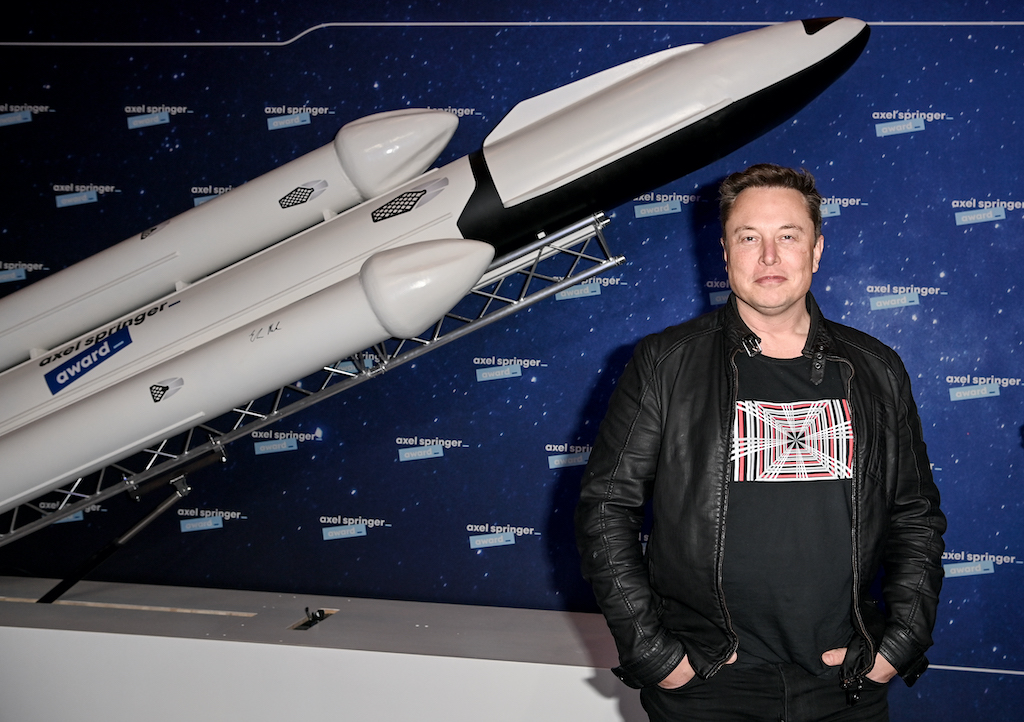
History was made on Wall Street as Elon Musk officially became the world’s first trillionaire, following the highly anticipated SpaceX initial public offering (IPO). The landmark debut pushed the entrepreneur’s estimated net worth beyond the $1 trillion mark, reinforcing his position as the wealthiest person on the planet. The achievement is driven primarily by the soaring value of SpaceX shares, combined with Musk’s substantial ownership in Tesla. While the milestone represents an extraordinary financial accomplishment, it also raises new discussions about corporate influence, executive power, and the future of the commercial space industry. SpaceX IPO Sends Musk’s Fortune Past $1 Trillion SpaceX entered the public markets with shares priced at $135 each, giving the aerospace company one of the largest market debuts in recent history. As the company’s founder and CEO, Musk retained an enormous ownership stake. Reports indicate that his SpaceX holdings alone were valued at approximately $860 billion immediately after the IPO pricing. When combined with the value of his Tesla shares and the strong first-day trading performance of SpaceX stock, Musk’s estimated net worth crossed the historic $1 trillion threshold. The milestone makes him the first individual ever to reach a four-comma fortune on paper. Why the SpaceX IPO Is So Significant SpaceX has transformed from a private rocket startup into one of the world’s most valuable aerospace and technology companies. Its business spans multiple high-growth sectors, including: Investors have long viewed SpaceX as one of the most valuable private technology companies, making its public listing one of the most anticipated IPOs of the decade. The successful launch into public markets significantly increased shareholder value while giving investors direct access to one of the fastest-growing companies in the global space economy. Tesla Continues to Strengthen Musk’s Wealth Although SpaceX played the largest role in pushing Musk past the trillion-dollar milestone, Tesla remains a major pillar of his financial portfolio. The electric vehicle manufacturer continues to be one of the world’s most valuable automakers, with investments spanning: The combination of Tesla and SpaceX gives Musk ownership across several of the world’s fastest-growing technology industries. More Wealth Could Be on the Horizon Financial analysts believe Musk’s fortune could continue growing in the coming years. Tesla shareholders previously approved an executive compensation package tied to ambitious operational and market value targets. If those performance milestones are achieved, the package could become one of the largest executive compensation plans ever awarded. In addition, Musk owns a large number of SpaceX shares that remain subject to specific long-term conditions. While certain shares cannot currently be sold under the company’s structure, they may still serve as collateral for borrowing, allowing access to significant liquidity without selling the underlying assets. Musk Maintains Strong Control Over SpaceX Despite becoming a publicly traded company, SpaceX remains heavily influenced by its founder. Musk reportedly controls more than 80% of the company’s voting power, giving him significant authority over corporate governance. His influence includes: This governance structure allows Musk to retain substantial decision-making power even after the company’s stock market debut. A Historic Financial Milestone Sparks Debate Musk’s rise to trillionaire status has generated widespread discussion beyond financial markets. Supporters point to his role in advancing: Critics, however, continue to question the concentration of wealth and corporate influence, particularly given Musk’s involvement in political and public policy matters. His growing financial influence has intensified conversations surrounding executive accountability, regulatory oversight, and the broader role of billionaire entrepreneurs in shaping technology and government initiatives. Space Economy Growth Continues to Accelerate The SpaceX IPO reflects increasing investor confidence in the commercial space industry. Demand continues expanding across several key sectors, including: Industry analysts expect global investment in space technology to grow substantially over the next decade as governments and private companies increase spending on aerospace innovation. What This Means for Investors The successful SpaceX IPO demonstrates strong investor appetite for companies operating at the intersection of advanced technology, artificial intelligence, aerospace engineering, and next-generation infrastructure. Public investors now have exposure to one of the industry’s most influential companies, although future performance will depend on execution, technological advancements, regulatory developments, and broader market conditions. As competition in the commercial space sector intensifies, investors will closely monitor SpaceX’s ability to maintain its leadership position. Final Thoughts Elon Musk’s rise as the world’s first trillionaire marks a historic moment in both financial markets and the technology industry. The successful SpaceX IPO significantly boosted his estimated wealth while highlighting the growing importance of commercial space exploration and advanced innovation. Beyond the record-breaking valuation, the milestone reflects the expanding role of aerospace, electric vehicles, artificial intelligence, and private investment in shaping the future of technology. As SpaceX begins its journey as a publicly traded company, investors and industry leaders will be watching closely to see how its next chapter influences the global space economy and the broader tech landscape. The source of this news is Tech Crunch.

Elon Musk Becomes the World’s First Trillionaire After SpaceX’s Blockbuster IPO Milestone Read More »

, , , , , , ,