
Silicon Valley

www-beepinsider-com

Elon Musk’s Boring Company Eyes $20 Billion Valuation in New Funding Round as Tunnel Expansion Accelerates

Elon Musk’s Boring Company is reportedly preparing for one of its biggest financial milestones yet. The underground transportation startup is said to be in discussions to raise $4 billion in fresh funding at a $20 billion valuation, signaling renewed investor confidence in its long-term vision for urban transit infrastructure. If completed, the deal would represent a dramatic leap from the company’s $5.7 billion valuation in 2022, highlighting growing interest in futuristic transportation technologies despite operational and regulatory challenges. The Boring Company Reportedly Seeks $4 Billion in New Capital According to reports, The Boring Company is negotiating a funding round that could value the startup at approximately $20 billion. The financing has not yet been finalized, and both the investment amount and valuation remain subject to change until agreements are completed. A successful fundraising round would provide significant capital to accelerate tunnel construction, expand infrastructure projects, and strengthen the company’s position in the rapidly evolving transportation technology sector. Massive Growth Since 2022 The reported valuation represents a remarkable increase from the company’s previous valuation of $5.7 billion, achieved during its 2022 funding round. The jump reflects continued investor optimism surrounding: As governments search for alternatives to overcrowded roads, innovative transit systems are attracting increasing attention from both public and private investors. How The Boring Company Is Transforming Urban Transportation Founded after spinning out from SpaceX in 2018, The Boring Company focuses on building underground tunnel networks designed to reduce traffic congestion in major cities. Its flagship project operates in Las Vegas, where passengers travel between stations using Tesla vehicles through a network of underground tunnels combined with surface transportation routes. The company believes underground transportation systems can move people more efficiently while reducing traffic delays in densely populated urban areas. Expansion Plans Continue Worldwide The Boring Company is actively pursuing several high-profile expansion projects. Current and proposed developments include: These initiatives reflect the company’s ambition to become a global leader in next-generation transportation infrastructure. Regulatory Challenges Remain Despite its ambitious growth plans, The Boring Company has faced criticism regarding workplace safety and environmental compliance. Reports have highlighted workplace injuries involving tunnel construction workers during previous projects. Additionally, Nevada regulators have alleged numerous environmental compliance violations connected to the company’s construction activities. While these issues have attracted regulatory scrutiny, the company continues pursuing expansion opportunities across multiple regions. Investors Continue Betting on Elon Musk’s Vision Elon Musk remains one of the world’s most influential technology entrepreneurs, leading companies across electric vehicles, artificial intelligence, aerospace, robotics, and infrastructure. Many investors continue backing Musk-led ventures because of their long-term innovation potential, even when projects involve significant technical or regulatory risks. The reported funding discussions suggest that investor confidence in underground transportation remains strong despite ongoing operational challenges. Relationship With SpaceX The Boring Company originated as a SpaceX initiative before becoming an independent business in 2018. SpaceX recently made headlines after completing one of the largest public offerings in history. Although its share price has experienced volatility following the listing, investor interest across Musk’s portfolio of companies remains significant. The continued fundraising efforts at The Boring Company further demonstrate the market’s willingness to invest in ambitious infrastructure and mobility technologies. What the Reported Valuation Means If the funding round closes at the reported valuation, The Boring Company would join the ranks of the world’s most valuable privately backed infrastructure technology firms. The additional capital could help the company: As cities worldwide search for innovative solutions to traffic congestion and urban mobility challenges, underground transportation systems may become an increasingly important part of future smart city planning. Whether the reported $20 billion valuation is finalized or adjusted during negotiations, the funding discussions underscore growing investor interest in companies working to redefine how people move through modern cities. The Source of this news is Tech Crunch.

Elon Musk’s Boring Company Eyes $20 Billion Valuation in New Funding Round as Tunnel Expansion Accelerates Read More »

, , , , , , , , , , , , ,
beepinsider_com

Inside London’s ‘Lift House’: The Founder Community Challenging Silicon Valley’s Hustle Culture With a Healthier Startup Formula

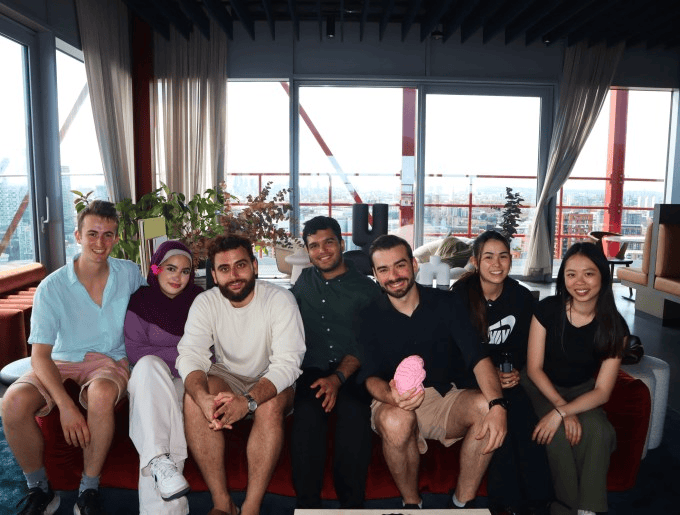
The traditional Silicon Valley hacker house has long symbolized nonstop coding, sleepless nights, and relentless startup pressure. But in East London, a new generation of entrepreneurs is rewriting those rules. Known as Lift House (London Island Founder House), this innovative co-living space is proving that startup founders can pursue billion-dollar ambitions without sacrificing mental health, fitness, or personal relationships. Instead of glorifying burnout, its residents are embracing a balanced lifestyle while building AI startups and technology companies. As the global startup ecosystem evolves, Lift House represents a growing trend that could reshape how future entrepreneurs build successful businesses. What Is Lift House? Located in East London, Lift House combines a startup workspace with a co-living community designed specifically for ambitious founders. The six-story waterfront residence currently houses six entrepreneurs in their twenties, all working on different technology ventures ranging from artificial intelligence (AI) and brain optimization to marketing technology and software innovation. The community was launched in March by entrepreneur Rowan Aldean, who previously sold his startup for millions before launching a new AI-focused company that helps businesses deploy intelligent AI agents. Unlike many founder houses in San Francisco, Lift House isn’t focused on sprinting toward the next Demo Day. Instead, its mission centers on long-term success, sustainable productivity, and personal growth. A Different Startup Philosophy Many Silicon Valley founder houses have become famous for extreme work schedules, marathon coding sessions, and competitive hustle culture. Lift House takes the opposite approach. Residents believe founders perform better when they maintain healthy routines, prioritize sleep, exercise regularly, and build meaningful relationships outside work. Their philosophy reflects a broader movement known as “Londonmaxxing”—an idea that encourages entrepreneurs to maximize everything London’s startup ecosystem offers without adopting Silicon Valley’s intense work culture. Daily Life Inside the Founder House Life at Lift House follows a structured yet flexible rhythm. Instead of endless work sessions, residents participate in activities designed to improve both physical and mental well-being. Their weekly routine includes: Residents also divide household responsibilities, purchase their own groceries, and maintain the home collectively. The goal is simple: create an environment where entrepreneurs can thrive professionally while maintaining a fulfilling personal life. Wellness Is Part of the Business Strategy One of Lift House’s unique traditions is its weekly journaling practice. Rather than discussing fundraising metrics or startup valuations, founders reflect on: Several residents say living in the house has helped them adopt healthier lifestyles. Some now prioritize regular lunches, consistent workouts, and better sleep—habits often overlooked in high-pressure startup environments. This focus on wellness reflects growing research suggesting that healthier founders often make better long-term business decisions. London’s AI Startup Scene Is Booming Lift House exists at a time when London’s technology ecosystem is experiencing unprecedented momentum. AI startups in London have attracted approximately $12 billion in funding during 2026, making artificial intelligence the city’s fastest-growing investment sector. Major companies driving this growth include: Many of these businesses were founded by former researchers and engineers from DeepMind, reinforcing London’s reputation as one of Europe’s leading AI innovation hubs. Why Many Founders Prefer London Residents believe London offers several advantages over Silicon Valley. Key benefits include: Programs such as the UK’s SEIS (Seed Enterprise Investment Scheme) and EIS (Enterprise Investment Scheme) also encourage angel investors to fund early-stage startups through attractive tax incentives. These policies make fundraising more accessible for many founders. But America Still Remains the Ultimate Destination Despite London’s growing influence, many entrepreneurs acknowledge that expanding into the United States remains a critical milestone. The U.S. continues to offer: Several Lift House residents revealed that American investors have encouraged them to relocate their startups to the U.S. to accelerate growth and improve access to customers. For many European startups, the long-term roadmap still involves launching in London before expanding across the Atlantic. A New Blueprint for Startup Success Lift House demonstrates that entrepreneurial ambition doesn’t have to come at the expense of personal well-being. Its founders are building AI companies, attracting investors, and pursuing global expansion while making time for fitness, friendships, hobbies, and mental health. As startup culture continues to evolve, communities like Lift House could inspire a new generation of founders who value sustainable innovation over constant burnout. For entrepreneurs, investors, and technology leaders, the message is becoming increasingly clear: building a successful company isn’t just about working harder—it’s about creating an environment where founders can perform at their best for years, not just months. The Source of this news is Tech Crunch.

Inside London’s ‘Lift House’: The Founder Community Challenging Silicon Valley’s Hustle Culture With a Healthier Startup Formula Read More »

, , , , , , , , , , ,
beepinsider-com

Greylock’s $1.5 Billion VC Fund Defies Silicon Valley Trend: Why Smaller May Be Smarter in the AI Startup Race

Silicon Valley’s biggest venture capital firms continue raising record-breaking funds to capitalize on the artificial intelligence boom. However, Greylock Partners is taking a different path. Instead of chasing a multi-billion-dollar investment pool, the legendary venture capital firm has intentionally capped its latest fund at $1.5 billion, even though it says investors were willing to commit significantly more. The decision reflects Greylock’s long-term investment philosophy: backing fewer startups while providing founders with deeper strategic support. As AI startups attract unprecedented funding, Greylock believes disciplined investing—not simply managing larger funds—will generate stronger returns and help build the next generation of industry-leading technology companies. Greylock Raises a $1.5 Billion Venture Capital Fund Greylock Partners has officially closed its 18th flagship venture capital fund with $1.5 billion in commitments. The fund represents a 50% increase from its previous $1 billion fund raised in 2023, yet it remains modest compared to the massive investment vehicles many competing venture firms have recently launched. According to Greylock partner Saam Motamedi, the firm deliberately avoided raising a significantly larger fund despite having enough investor demand to do so. Rather than maximizing assets under management, Greylock chose to maintain a fund size that aligns with its founder-focused investment strategy. Why Greylock Chose Discipline Over Bigger Returns Many venture capital firms expand fund sizes as competition intensifies, allowing them to invest in more startups and participate in larger funding rounds. Greylock believes that approach comes with trade-offs. Motamedi explained that the firm’s mission is to become the most valuable long-term partner for exceptional entrepreneurs. Achieving that goal requires maintaining a manageable portfolio where partners can work closely with founders instead of spreading resources across hundreds of investments. By limiting the number of companies it funds, Greylock can provide strategic guidance, industry connections, engineering talent recruitment, customer introductions, and operational support that many entrepreneurs consider just as valuable as capital. A Founder-First Investment Strategy Greylock’s investment model remains highly selective. The firm’s ten partners typically make only one or two new investments each year, resulting in approximately 25 portfolio companies supported by the new fund. This focused strategy allows partners to spend significant time helping founders navigate product development, fundraising, hiring, market expansion, and scaling operations. Instead of prioritizing quantity, Greylock focuses on building lasting relationships with founders from the earliest stages of company creation. Investing Before the Startup Even Exists One of Greylock’s most distinctive strengths is identifying talented entrepreneurs before they launch businesses. Rather than evaluating mature companies with established products, the firm’s partners often meet founders while they are still developing ideas. Motamedi explained that weekly investment discussions frequently revolve around people instead of startup names. This founder-first philosophy allows Greylock to help entrepreneurs shape business models, recruit leadership teams, and validate market opportunities before competitors even recognize the opportunity. For Greylock, investing begins with confidence in the individual—not simply the startup concept. Strong Track Record in Early-Stage Technology Investments Greylock has built one of Silicon Valley’s most respected reputations by backing transformative technology companies during their earliest stages. Among its notable success stories are Palo Alto Networks, which originated through Greylock’s incubation efforts more than two decades ago, and cybersecurity company Abnormal, another startup developed with Greylock’s early support before achieving a multibillion-dollar valuation. The firm’s investment strategy emphasizes identifying disruptive founders capable of building category-defining businesses across artificial intelligence, cybersecurity, enterprise software, cloud computing, fintech, and developer infrastructure. AI Startups Remain a Major Priority Artificial intelligence continues to dominate venture capital investing, and Greylock is no exception. The firm was an early investor in Baseten, an AI infrastructure company that has grown into one of the industry’s fastest-rising startups. Greylock has also invested in Anthropic, one of the leading AI companies competing in the rapidly evolving generative AI market. Although the firm’s primary focus remains seed and Series A investments, Greylock is willing to invest in later-stage companies with exceptional long-term potential. Selective Growth Investments Add Portfolio Flexibility While Greylock is widely recognized for early-stage investing, it maintains flexibility when outstanding opportunities emerge later in a company’s lifecycle. Its previous fund included investments in growth-stage companies such as Anthropic, Revolut, and Wiz. According to Motamedi, approximately 15% of the new fund will be allocated to later-stage investments, while the majority will continue supporting startups from their earliest funding rounds. This balanced strategy enables Greylock to participate in high-growth technology businesses without abandoning its core identity as an early-stage venture capital firm. Why Smaller Funds Can Deliver Better Performance Larger venture funds often face increasing pressure to deploy capital quickly, which can lead to investments outside a firm’s traditional expertise. Greylock believes maintaining a disciplined fund size improves decision-making, preserves investment quality, and enables stronger founder relationships. Smaller portfolios also allow partners to dedicate more time to helping entrepreneurs solve complex business challenges, recruit world-class talent, and accelerate product development. In today’s competitive AI investment landscape, that hands-on approach may offer founders a significant advantage over firms managing much larger portfolios. What Greylock’s Strategy Means for the Future of Venture Capital Greylock’s latest fund demonstrates that bigger is not always better in venture capital. As artificial intelligence fuels record startup valuations and unprecedented fundraising across Silicon Valley, Greylock continues prioritizing quality over quantity. Its selective investment philosophy focuses on identifying exceptional founders early, supporting them through every stage of growth, and building enduring technology companies rather than simply expanding assets under management. For entrepreneurs, investors, and the broader startup ecosystem, Greylock’s strategy highlights an important lesson: sustainable venture capital success depends less on the size of a fund and more on the strength of founder partnerships, disciplined investing, and long-term value creation. As AI innovation accelerates, this focused approach could position Greylock to continue shaping the next generation of industry-leading technology companies. The Source of this news is Tech Crunch.

Greylock’s $1.5 Billion VC Fund Defies Silicon Valley Trend: Why Smaller May Be Smarter in the AI Startup Race Read More »

, , , , , , , , , , ,