
Latest News

www-beepinsider-com

Bluecore Energy Secures $10 Million to Launch Floating Nuclear Reactors for AI Data Centers and U.S. Ports

The race to develop next-generation clean energy is accelerating, and Bluecore Energy has entered the spotlight with an ambitious vision. The maritime nuclear energy startup has announced a $10 million pre-seed funding round to build portable small modular reactors (SMRs) mounted on floating barges. The innovative approach aims to deliver reliable, carbon-free electricity to ports, coastal infrastructure, and energy-hungry AI data centers across the United States. As America’s electricity demand continues to surge due to artificial intelligence, cloud computing, and industrial expansion, Bluecore Energy is positioning itself as a potential game-changer in the clean energy sector. Bluecore Energy Raises $10 Million in Pre-Seed Funding Bluecore Energy secured $10 million in pre-seed investment, led by Slauson & Co., with participation from Harlem Capital, Precursor Ventures, Ripple co-founder Chris Larsen, Kevin Hart’s HartBeat Ventures, and several angel investors. Founded just seven months ago by Kofi Asante, a former Uber Freight executive, the company focuses on creating floating nuclear power stations that can be deployed wherever clean electricity is needed. The funding will help Bluecore accelerate product development, engineering validation, and deployment preparations. How Bluecore’s Floating Nuclear Reactors Work Unlike traditional nuclear power plants that require years of construction and permanent land-based infrastructure, Bluecore’s design places small modular reactors (SMRs) on specially designed barges. The system operates using proven nuclear technology: Because the reactors are mounted on barges, they can be transported by sea to different locations without relying on heavy land transportation, reducing logistics-related carbon emissions. Designed to Power Ports and Coastal Communities Bluecore says each floating reactor could generate enough electricity to power around 15,000 homes, while larger deployments could supply major U.S. ports and industrial facilities. The mobile design provides several advantages: The company believes this mobility could strengthen energy resilience for coastal regions and critical infrastructure. Supporting America’s Growing AI Energy Demand Artificial intelligence is dramatically increasing electricity consumption across the United States. Massive AI data centers require continuous, high-capacity power while also consuming significant amounts of cooling water. Bluecore believes its offshore nuclear solution could address both challenges simultaneously. According to founder Kofi Asante, AI infrastructure operators have expressed interest in dedicated offshore power sources that eliminate competition with nearby communities for electricity and freshwater resources. This concept could help support: As AI adoption continues expanding, dependable baseload power has become one of the technology industry’s biggest challenges. Safety Remains a Core Priority Nuclear safety remains central to Bluecore’s engineering strategy. The company says it is collaborating with regulatory agencies while incorporating multiple layers of protection into its reactor design. Key safety measures include: Bluecore also plans to use existing water-cooled nuclear technology that has operated successfully for decades rather than developing an entirely new reactor concept. Early Development Progress Although still in its early stages, Bluecore has already achieved several milestones. The startup has secured: The test system allows engineers to simulate cooling water flow and validate reactor performance using hardware and software testing before commercial deployment. These early demonstrations are intended to verify system reliability and improve engineering designs. Why Floating Small Modular Reactors Matter Small Modular Reactors have become one of the fastest-growing segments in the global clean energy market. Compared with conventional nuclear plants, SMRs offer several advantages: Floating SMRs further extend these benefits by bringing clean energy directly to coastal demand centers without requiring extensive land development. As governments and industries search for reliable alternatives to fossil fuels, portable nuclear technology could become an important component of America’s future energy mix. The Road Ahead for Bluecore Energy Bluecore Energy still faces regulatory approvals, engineering validation, and commercial deployment challenges before its floating reactors become operational. However, growing investment interest highlights increasing confidence in innovative nuclear technologies that can meet rising electricity demand while supporting decarbonization goals. With AI infrastructure expanding rapidly and pressure mounting to strengthen America’s clean energy capacity, floating nuclear reactors could emerge as a practical solution for ports, industrial operations, and next-generation data centers. If Bluecore successfully executes its vision, the company may help redefine how nuclear power is delivered—bringing flexible, mobile, and low-carbon electricity directly to where it is needed most. The Source of this news is Tech Crunch.

Bluecore Energy Secures $10 Million to Launch Floating Nuclear Reactors for AI Data Centers and U.S. Ports Read More »

, , , , , , , , , , , ,
beepinsider-com

Greylock’s $1.5 Billion VC Fund Defies Silicon Valley Trend: Why Smaller May Be Smarter in the AI Startup Race

Silicon Valley’s biggest venture capital firms continue raising record-breaking funds to capitalize on the artificial intelligence boom. However, Greylock Partners is taking a different path. Instead of chasing a multi-billion-dollar investment pool, the legendary venture capital firm has intentionally capped its latest fund at $1.5 billion, even though it says investors were willing to commit significantly more. The decision reflects Greylock’s long-term investment philosophy: backing fewer startups while providing founders with deeper strategic support. As AI startups attract unprecedented funding, Greylock believes disciplined investing—not simply managing larger funds—will generate stronger returns and help build the next generation of industry-leading technology companies. Greylock Raises a $1.5 Billion Venture Capital Fund Greylock Partners has officially closed its 18th flagship venture capital fund with $1.5 billion in commitments. The fund represents a 50% increase from its previous $1 billion fund raised in 2023, yet it remains modest compared to the massive investment vehicles many competing venture firms have recently launched. According to Greylock partner Saam Motamedi, the firm deliberately avoided raising a significantly larger fund despite having enough investor demand to do so. Rather than maximizing assets under management, Greylock chose to maintain a fund size that aligns with its founder-focused investment strategy. Why Greylock Chose Discipline Over Bigger Returns Many venture capital firms expand fund sizes as competition intensifies, allowing them to invest in more startups and participate in larger funding rounds. Greylock believes that approach comes with trade-offs. Motamedi explained that the firm’s mission is to become the most valuable long-term partner for exceptional entrepreneurs. Achieving that goal requires maintaining a manageable portfolio where partners can work closely with founders instead of spreading resources across hundreds of investments. By limiting the number of companies it funds, Greylock can provide strategic guidance, industry connections, engineering talent recruitment, customer introductions, and operational support that many entrepreneurs consider just as valuable as capital. A Founder-First Investment Strategy Greylock’s investment model remains highly selective. The firm’s ten partners typically make only one or two new investments each year, resulting in approximately 25 portfolio companies supported by the new fund. This focused strategy allows partners to spend significant time helping founders navigate product development, fundraising, hiring, market expansion, and scaling operations. Instead of prioritizing quantity, Greylock focuses on building lasting relationships with founders from the earliest stages of company creation. Investing Before the Startup Even Exists One of Greylock’s most distinctive strengths is identifying talented entrepreneurs before they launch businesses. Rather than evaluating mature companies with established products, the firm’s partners often meet founders while they are still developing ideas. Motamedi explained that weekly investment discussions frequently revolve around people instead of startup names. This founder-first philosophy allows Greylock to help entrepreneurs shape business models, recruit leadership teams, and validate market opportunities before competitors even recognize the opportunity. For Greylock, investing begins with confidence in the individual—not simply the startup concept. Strong Track Record in Early-Stage Technology Investments Greylock has built one of Silicon Valley’s most respected reputations by backing transformative technology companies during their earliest stages. Among its notable success stories are Palo Alto Networks, which originated through Greylock’s incubation efforts more than two decades ago, and cybersecurity company Abnormal, another startup developed with Greylock’s early support before achieving a multibillion-dollar valuation. The firm’s investment strategy emphasizes identifying disruptive founders capable of building category-defining businesses across artificial intelligence, cybersecurity, enterprise software, cloud computing, fintech, and developer infrastructure. AI Startups Remain a Major Priority Artificial intelligence continues to dominate venture capital investing, and Greylock is no exception. The firm was an early investor in Baseten, an AI infrastructure company that has grown into one of the industry’s fastest-rising startups. Greylock has also invested in Anthropic, one of the leading AI companies competing in the rapidly evolving generative AI market. Although the firm’s primary focus remains seed and Series A investments, Greylock is willing to invest in later-stage companies with exceptional long-term potential. Selective Growth Investments Add Portfolio Flexibility While Greylock is widely recognized for early-stage investing, it maintains flexibility when outstanding opportunities emerge later in a company’s lifecycle. Its previous fund included investments in growth-stage companies such as Anthropic, Revolut, and Wiz. According to Motamedi, approximately 15% of the new fund will be allocated to later-stage investments, while the majority will continue supporting startups from their earliest funding rounds. This balanced strategy enables Greylock to participate in high-growth technology businesses without abandoning its core identity as an early-stage venture capital firm. Why Smaller Funds Can Deliver Better Performance Larger venture funds often face increasing pressure to deploy capital quickly, which can lead to investments outside a firm’s traditional expertise. Greylock believes maintaining a disciplined fund size improves decision-making, preserves investment quality, and enables stronger founder relationships. Smaller portfolios also allow partners to dedicate more time to helping entrepreneurs solve complex business challenges, recruit world-class talent, and accelerate product development. In today’s competitive AI investment landscape, that hands-on approach may offer founders a significant advantage over firms managing much larger portfolios. What Greylock’s Strategy Means for the Future of Venture Capital Greylock’s latest fund demonstrates that bigger is not always better in venture capital. As artificial intelligence fuels record startup valuations and unprecedented fundraising across Silicon Valley, Greylock continues prioritizing quality over quantity. Its selective investment philosophy focuses on identifying exceptional founders early, supporting them through every stage of growth, and building enduring technology companies rather than simply expanding assets under management. For entrepreneurs, investors, and the broader startup ecosystem, Greylock’s strategy highlights an important lesson: sustainable venture capital success depends less on the size of a fund and more on the strength of founder partnerships, disciplined investing, and long-term value creation. As AI innovation accelerates, this focused approach could position Greylock to continue shaping the next generation of industry-leading technology companies. The Source of this news is Tech Crunch.
Greylock’s $1.5 Billion VC Fund Defies Silicon Valley Trend: Why Smaller May Be Smarter in the AI Startup Race Read More »

, , , , , , , , , , ,
www-beepinsider-com

Databricks Soars to $188 Billion Valuation as AI Strategy Powers One of Tech’s Biggest Success Stories

Artificial intelligence continues to reshape the technology industry, and Databricks is emerging as one of its biggest winners. The cloud data and AI company has announced a new funding round that values the business at an impressive $188 billion, reinforcing its position among the world’s most valuable private technology companies. The latest investment highlights how companies that successfully combine enterprise data platforms, machine learning, and generative AI are attracting massive investor confidence as businesses accelerate AI adoption. Databricks Reaches a $188 Billion Valuation Databricks confirmed that venture capital firm Coatue is leading its newest strategic funding round. While the company did not officially disclose the investment amount, multiple reports indicate the raise is expected to total approximately $3 billion. Although the financing has not officially closed, Databricks announced the valuation ahead of the transaction, signaling strong investor demand for shares. The announcement marks another milestone in one of the fastest valuation increases seen in the AI industry. AI Transformation Fuels Rapid Growth Databricks has spent the past 18 months transforming itself from a cloud analytics company into a leading enterprise AI platform. Originally founded in 2013 during the big data revolution, the company became widely known for helping organizations manage massive cloud datasets while delivering high-performance analytics. As generative AI gained momentum, Databricks leveraged its extensive enterprise data ecosystem to launch a new generation of AI-powered products focused on business productivity, automation, and intelligent decision-making. That strategic shift has dramatically increased investor interest. Valuation Has Nearly Tripled in Less Than Two Years Databricks’ growth has been remarkable. Its recent funding milestones include: The rapid rise illustrates how AI-focused businesses continue attracting premium valuations in today’s technology market. Expanding AI Product Portfolio Databricks has invested heavily in building an ecosystem of enterprise AI solutions. Its expanding portfolio includes: AI Databases The company introduced Lakebase, a database specifically designed to support AI agents and intelligent applications. AI Governance Databricks’ Unity platform helps organizations manage security, governance, compliance, and data access across AI workloads. AI Agent Management The company also launched Omnigent, a framework designed to coordinate multiple AI agents, making enterprise automation more efficient. Together, these products position Databricks as a complete AI infrastructure provider rather than simply a cloud data platform. Open-Source AI Strategy Sets Databricks Apart One reason behind Databricks’ growing popularity is its strong support for open-weight AI models. Instead of relying exclusively on expensive proprietary large language models, the company has increasingly embraced open-source alternatives that offer strong performance while reducing operational costs. Databricks has become a notable supporter of Z.ai’s GLM 5.2, particularly for software development and coding tasks. This approach reflects a broader industry trend as businesses seek more affordable AI deployment without sacrificing performance. Internal AI Benchmark Reveals Cost Savings Databricks recently shared the results of internal benchmarking involving AI tools used by its 3,000 software engineers. The company evaluated multiple coding models alongside various AI coding assistants, often referred to as AI harnesses. The findings showed that selecting the right AI management layer can significantly influence both performance and operating costs. Databricks concluded that optimizing the combination of AI models and orchestration tools delivers greater efficiency than focusing solely on choosing the most powerful language model. The research highlights an important lesson for enterprises adopting generative AI: infrastructure decisions matter just as much as model selection. Enterprise AI Adoption Continues to Accelerate Businesses across industries are rapidly investing in artificial intelligence, cloud computing, data engineering, and AI automation. Organizations increasingly need platforms that securely connect enterprise data with AI models while maintaining governance, privacy, and compliance. Databricks’ long-standing expertise in managing enterprise data gives it a competitive advantage as companies integrate AI into business operations. Its platform enables organizations to build AI applications without moving sensitive corporate data outside secure environments. Why Investors Remain Bullish The latest funding round demonstrates continued optimism surrounding enterprise AI. Unlike startups built entirely around generative AI, Databricks already serves thousands of enterprise customers with mature cloud infrastructure. Its AI strategy builds upon an established business rather than starting from scratch, reducing execution risk while opening new revenue opportunities. This combination of proven enterprise software, cloud-native architecture, and AI innovation has positioned Databricks as one of the strongest beneficiaries of the current AI investment cycle. What the $188 Billion Valuation Means Databricks’ soaring valuation reflects more than investor enthusiasm—it signals a broader shift in enterprise technology. As companies expand investments in AI agents, machine learning, large language models (LLMs), cloud analytics, and intelligent automation, platforms capable of connecting enterprise data with AI will likely remain in high demand. With its expanding AI ecosystem, strong enterprise customer base, and focus on cost-efficient AI deployment, Databricks has successfully reinvented itself for the generative AI era. The company’s latest valuation reinforces a clear industry trend: in today’s technology market, businesses that combine trusted data infrastructure with scalable AI innovation are leading the next wave of enterprise growth. The source of this news is From Tech Crunch.

Databricks Soars to $188 Billion Valuation as AI Strategy Powers One of Tech’s Biggest Success Stories Read More »

, , , , , , , , ,
beepinsider-com

Apple and Google Face Pressure to Remove AI ‘Nudify’ Apps as San Francisco Cracks Down on Deepfake Pornography

The fight against AI-generated deepfake pornography is escalating in the United States. San Francisco City Attorney David Chiu has formally ordered Apple and Google to remove dozens of AI-powered “nudify” apps from their respective app stores, accusing the tech giants of enabling software that creates non-consensual intimate images (NCII). The move marks one of the strongest legal actions yet against platforms that distribute artificial intelligence tools capable of generating explicit deepfake content. It also raises new questions about AI regulation, app store accountability, digital privacy, and online safety. Why San Francisco Is Targeting Apple and Google According to letters sent by the San Francisco City Attorney’s Office, both Apple and Google have allegedly continued hosting and processing payments for apps that digitally alter photos to create fake nude images without a person’s consent. Officials argue that the companies have been aware of the issue for nearly a year but failed to take sufficient action. David Chiu said the companies have a responsibility to prevent technology that enables sexual exploitation. He stated that AI-powered nudify apps exploit women and girls by creating fake intimate images without consent while generating revenue through app downloads and in-app purchases. California’s Deepfake Laws Strengthen Enforcement California has introduced some of the nation’s toughest laws against AI-generated explicit content. State legislation now makes it illegal to knowingly facilitate or assist in creating non-consensual deepfake pornography. A separate law also allows victims to file civil lawsuits against third parties that help distribute or profit from such material. San Francisco officials argue that these legal protections apply not only to app developers but also to digital marketplaces that distribute and monetize these applications. The city has given Apple and Google 28 days to respond or potentially face civil penalties. Tech Transparency Project Raised Earlier Warnings The legal action follows multiple reports from the Tech Transparency Project (TTP), which warned both companies about the presence of AI nudify apps in their marketplaces. Earlier this year, TTP identified dozens of applications that allowed users to create deepfake intimate images in exchange for paid subscriptions or in-app purchases. The organization also claimed that Apple’s App Store and Google Play Store search systems helped users discover these apps, making the platforms active participants in distributing the technology. These reports intensified public scrutiny over how app marketplaces review AI-powered software before publication. Apple Responds by Removing Apps Apple says its App Store policies already prohibit nudify applications. In response to the city’s concerns, the company confirmed that it has: Apple maintains that applications violating its App Store guidelines are not permitted and that enforcement actions are ongoing. Google Suspends Violating Applications Google also announced enforcement measures following the allegations. The company stated that all five Google Play apps specifically referenced by San Francisco officials have been suspended. Google added that it has removed hundreds of apps violating its AI content policies and has restricted search terms such as “nudify” to reduce user access to similar applications. The company says it continues investigating reports and takes swift action when violations are confirmed. AI Deepfake Technology Raises Growing Privacy Concerns The rapid advancement of generative AI has made creating realistic fake images easier than ever. Modern AI image generation tools can manipulate publicly available photos to produce fabricated explicit content that appears highly convincing. While celebrities have frequently been targeted, cybersecurity experts warn that anyone with photos shared on social media could become a victim. This growing accessibility has fueled concerns surrounding: Lawmakers across the United States are increasingly focusing on regulating these emerging AI risks. App Store Responsibility Under Increased Scrutiny The latest dispute highlights a broader debate over whether app marketplace operators should bear greater responsibility for software distributed through their platforms. Critics argue that companies processing payments and promoting AI applications should conduct stronger reviews before allowing potentially harmful tools to reach consumers. Supporters of stricter oversight believe stronger moderation can reduce the spread of harmful AI-generated content while protecting victims from digital exploitation. The issue also reflects the growing challenge of balancing AI innovation with user safety, content moderation, and ethical artificial intelligence. What This Means for the Future of AI Regulation The action against Apple and Google could become a landmark case in how governments regulate AI-powered applications. As artificial intelligence continues transforming content creation, lawmakers are expected to introduce additional rules governing deepfake technology, AI-generated media, and digital platform accountability. For major technology companies, the message is becoming increasingly clear: app store operators may be expected to play a more active role in preventing harmful AI tools from reaching users. With deepfake abuse becoming a national concern, regulators, technology companies, and policymakers will likely face increasing pressure to strengthen safeguards that protect digital privacy while allowing responsible AI innovation to continue. The source of this news is From Tech Crunch.

Apple and Google Face Pressure to Remove AI ‘Nudify’ Apps as San Francisco Cracks Down on Deepfake Pornography Read More »

, , , , , , , , , ,
techcrunch_com-Mockup-of-Valar-Atomics-site

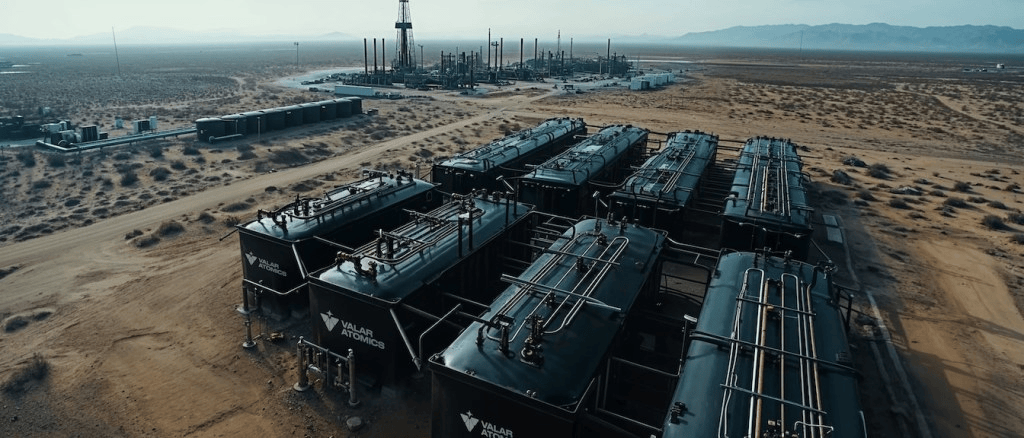
Valar Atomics Targets $6 Billion Valuation as AI-Powered Nuclear Energy Race Accelerates

The race to power America’s artificial intelligence boom is fueling unprecedented investment in next-generation nuclear technology. Valar Atomics, a California-based nuclear startup developing small modular reactors (SMRs), is reportedly in discussions to raise a massive new funding round that could value the company at approximately $6 billion. The fundraising reflects growing investor confidence in advanced nuclear energy as technology giants search for reliable, carbon-free electricity to support expanding AI infrastructure and data centers. Valar Atomics Eyes Major Funding Round According to multiple reports, Valar Atomics is negotiating a $1 billion equity funding round, with venture capital giant Sequoia expected to lead the investment. While neither company has officially commented, the proposed valuation would represent a significant jump from earlier financing. Earlier this year, the startup secured approximately $450 million in funding, including $340 million in equity and $110 million in debt, at a valuation of around $2 billion. The latest fundraising demonstrates how quickly investor interest has grown in companies building the future of clean energy for AI-powered computing. The deal also highlights an emerging fundraising trend where startups raise capital in multiple stages at different valuations rather than completing a single financing round. Why AI Is Driving Nuclear Energy Investment Artificial intelligence is reshaping the global electricity market. Modern AI models require enormous computational resources, forcing technology companies to build larger and more powerful AI data centers. These facilities consume massive amounts of electricity, creating pressure on existing power grids across the United States. As utilities struggle to expand electricity generation fast enough, advanced nuclear power has emerged as one of the most promising long-term energy solutions. Unlike fossil fuels, small modular reactors can provide: These advantages make SMRs increasingly attractive for powering hyperscale AI infrastructure. Nvidia Partnership Strengthens Valar’s Position Valar Atomics recently demonstrated a proof of concept by using its nuclear reactor to provide electricity to an Nvidia AI chip. The company also announced a collaboration with Nvidia to explore how advanced nuclear reactors could supply energy for future AI data centers. The partnership represents a growing trend where semiconductor companies and energy innovators work together to solve one of AI’s biggest challenges: reliable electricity. As demand for AI computing continues to rise, energy availability is becoming just as important as access to advanced chips. What Makes Valar Atomics Different? Valar is developing a helium-cooled, high-temperature gas reactor, an advanced reactor design intended to improve efficiency and safety compared to traditional nuclear plants. Rather than constructing massive nuclear facilities that often take more than a decade to complete, the company plans to manufacture small modular reactors that can be produced in factories and deployed more rapidly. Its long-term vision includes building hundreds of SMRs capable of supplying electricity directly to AI data centers and industrial customers across the United States. Although the concept promises lower construction costs and faster deployment, commercial-scale implementation remains years away. Competition in the Advanced Nuclear Market Valar Atomics is entering an increasingly competitive industry where several companies are racing to commercialize advanced reactor technology. Major competitors include: With AI companies investing billions into computing infrastructure, nuclear startups are positioning themselves as critical partners in America’s future energy ecosystem. Regulatory Challenges Remain Despite investor enthusiasm, advanced nuclear companies continue to face significant regulatory hurdles. Valar previously joined several startups and U.S. states in challenging the Nuclear Regulatory Commission (NRC), arguing that experimental small reactors should not face the same lengthy licensing process as traditional commercial nuclear plants. The legal dispute remains unresolved, though repeated pauses in litigation suggest ongoing discussions between regulators and industry participants. Industry experts believe streamlined regulations could accelerate deployment while maintaining strict safety standards. Founder Brings Unconventional Background Valar Atomics was founded by Isaiah Taylor, a technology entrepreneur who left high school at age 16 to pursue startups. Now 27, Taylor has previously launched multiple companies before entering the nuclear energy sector. He has also highlighted his family’s scientific legacy, noting that his great-grandfather worked as a nuclear physicist on the historic Manhattan Project. His unconventional path reflects the growing intersection of Silicon Valley entrepreneurship and advanced energy innovation. What This Means for the Future of AI Infrastructure The proposed $6 billion valuation underscores how rapidly nuclear energy is becoming part of the AI investment narrative. As demand for cloud computing, generative AI, machine learning, and high-performance computing continues to surge, stable electricity generation is becoming a strategic priority for technology companies. If Valar Atomics successfully commercializes its reactor technology, it could help address one of the biggest obstacles facing AI expansion—delivering reliable, scalable, and carbon-free power for next-generation data centers. While commercial deployment of SMRs will require years of engineering, regulatory approvals, and construction, investors appear increasingly confident that advanced nuclear energy could play a central role in supporting America’s AI-driven future. The source of this news is From Tech Crunch.

Valar Atomics Targets $6 Billion Valuation as AI-Powered Nuclear Energy Race Accelerates Read More »

, , , , , , , , ,
spacex

SpaceX Aborts Starship V3 Launch Seconds After Ignition: Engine Failure Delays Next-Gen Starlink Mission

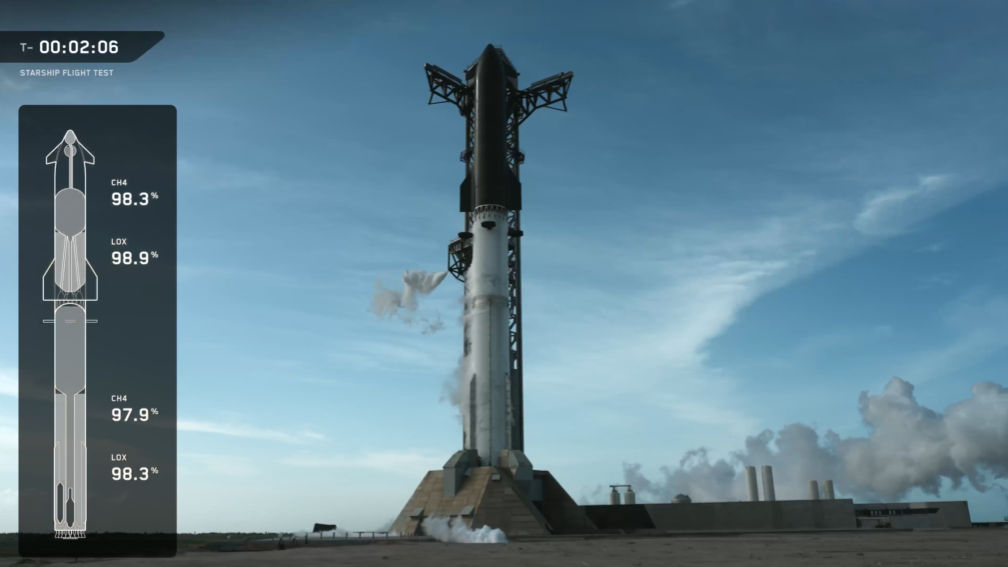
SpaceX’s latest Starship V3 launch ended in a dramatic last-second abort after multiple engines failed to ignite, delaying the company’s plans to deploy its first third-generation Starlink satellites. The unexpected shutdown occurred just moments after the countdown reached zero at SpaceX’s Starbase facility in South Texas. The launch setback comes at a critical time for SpaceX, which is pushing forward with its ambitious next-generation rocket program while navigating life as a newly public company. Although the mission was halted safely by the automated launch system, investors quickly reacted, sending the company’s stock lower in after-hours trading. Why SpaceX Aborted the Starship V3 Launch The launch countdown appeared to progress normally until the final seconds. After a brief hold at T-minus one minute, the countdown resumed, and the launch pad’s water suppression system activated as expected. However, immediately after ignition, the rocket’s engines shut down before liftoff. According to SpaceX CEO Elon Musk, the automated safety system detected that some Raptor engines failed to start, triggering an automatic launch abort. Rather than risking a failed launch, the system safely terminated the countdown before the rocket left the launch pad. Musk later confirmed that SpaceX plans to replace two engines before attempting another launch, with the next opportunity expected sometime next week. What Went Wrong? Early broadcast telemetry suggested that four upgraded Raptor engines may not have ignited correctly during startup. Although SpaceX has not released a complete technical analysis, engineers will now: The automatic abort demonstrates one of the key safety advantages built into modern launch systems—detecting anomalies before a rocket leaves the ground. Starship V3 Is a Major Upgrade Starship Version 3 represents SpaceX’s most advanced launch vehicle to date. The upgraded system includes improvements designed to support: Thursday’s mission would have marked another important milestone in validating these upgrades. Mission Objective: Testing Third-Generation Starlink Satellites One of the biggest goals of this flight was deploying the first V3 Starlink satellites. These upgraded satellites are expected to deliver: Interestingly, these demonstration satellites were not intended to remain in orbit permanently. Since Starship has not yet completed a fully successful orbital mission, the satellites were expected to burn up in Earth’s atmosphere roughly 20 minutes after deployment. The objective was primarily to validate deployment procedures rather than expand the operational Starlink network. Following the Mixed Results of the First Starship V3 Flight The aborted launch follows SpaceX’s first Starship V3 test mission in May, which delivered both successes and setbacks. Positive achievements included: However, engineers also encountered significant technical issues. The Super Heavy booster experienced a malfunction before completing its planned simulated landing in the Gulf of Mexico. That incident prompted a review by the Federal Aviation Administration (FAA), which temporarily paused additional Starship flights. Earlier this week, regulators cleared SpaceX to resume testing after identifying corrective measures for the booster failure. The May mission also experienced the loss of an upper-stage engine during flight, although the spacecraft successfully completed its planned descent afterward. Why This Launch Matters Beyond Space Exploration The Starship program is central to nearly every major SpaceX initiative. Beyond supporting NASA’s Artemis Moon missions and future Mars exploration, Starship is expected to transform commercial satellite launches. A major long-term objective is deploying massive numbers of next-generation Starlink satellites capable of supporting SpaceX’s vision of orbital data centers—space-based computing infrastructure designed to process and distribute data on a global scale. This concept could dramatically reshape cloud computing, communications, and high-speed internet services in the future. Starlink Remains SpaceX’s Financial Engine While Starship represents SpaceX’s future, Starlink currently serves as the company’s strongest commercial business. The satellite internet network generates the majority of SpaceX’s revenue and remains its only consistently profitable division. Successfully deploying newer Starlink satellites is therefore important not only for technological progress but also for expanding the company’s broadband services and long-term revenue growth. Investor Reaction After the Launch Abort The launch delay also came during a sensitive period for investors. SpaceX recently completed the largest initial public offering (IPO) in history, raising more than $85 billion and briefly reaching valuations comparable to some of the world’s biggest technology companies. Despite that milestone, the stock has faced increasing pressure over recent weeks. Following Thursday’s aborted launch: Although launch setbacks are common during rocket development, public markets often respond quickly to high-profile testing failures. What’s Next for SpaceX? Engineers are now focused on identifying the exact cause of the engine startup failure before another launch attempt. If inspections proceed as planned, SpaceX expects to return Starship V3 to the launch pad next week. A successful future flight would move the company closer to achieving reliable orbital missions, deploying advanced Starlink satellites, and advancing its long-term ambitions for reusable space transportation, lunar exploration, and eventually human missions to Mars. As Starship development continues, every test—whether successful or aborted—provides valuable engineering data that brings SpaceX one step closer to building the world’s most powerful fully reusable launch system. The source of this news is From Tech Crunch.

SpaceX Aborts Starship V3 Launch Seconds After Ignition: Engine Failure Delays Next-Gen Starlink Mission Read More »

, , , , , , , ,
beepinsider_com-apple-china

Apple Intelligence Gets Green Light in China: Apple Teams Up With Alibaba and Baidu to Power AI Features

Apple is officially bringing Apple Intelligence to China, marking a major milestone in the company’s global artificial intelligence strategy. After months of speculation, Chinese regulators have approved Apple’s AI services through partnerships with Alibaba and Baidu, paving the way for advanced AI-powered experiences on iPhones, iPads, Macs, and Apple Vision Pro devices. The approval represents a significant breakthrough for Apple in one of its most important markets, where AI services have faced strict regulatory requirements. With local AI partners now onboard, Apple is positioning itself to compete more effectively in China’s fast-growing AI ecosystem. Apple Intelligence Finally Cleared for China Apple’s generative AI platform, Apple Intelligence, has received approval from the Cyberspace Administration of China (CAC). The authorization enables Apple to introduce AI-powered features that were previously unavailable to users in mainland China. To comply with local regulations, Apple has partnered with Alibaba, whose Qwen large language model (LLM) will serve as a key foundation for Apple Intelligence across: The move ensures Apple can deliver AI experiences while meeting China’s strict data governance and AI compliance standards. Alibaba’s Qwen AI Powers Apple Intelligence Alibaba confirmed that its Qwen AI models will be integrated into Apple Intelligence experiences for Chinese customers. The collaboration focuses on several advanced AI capabilities, including: Although neither company announced an official launch date, the partnership confirms that localized AI experiences are moving closer to rollout. Using Alibaba’s technology allows Apple to tailor its AI services specifically for the Chinese market while satisfying domestic regulatory requirements. Baidu Also Joins Apple’s AI Strategy In another important development, Baidu confirmed that it is collaborating with Apple on Apple Intelligence features designed for users in China. While Alibaba’s Qwen models are expected to power core generative AI capabilities, Baidu’s involvement suggests Apple is building a broader AI ecosystem that leverages multiple Chinese technology leaders. Industry reports have previously suggested Apple also explored partnerships with DeepSeek and ByteDance, highlighting the company’s effort to identify the best local AI solutions. Why Apple Needed Local AI Partners Unlike many global markets, China requires AI services to receive regulatory approval before reaching consumers. Foreign AI platforms also face additional compliance requirements related to security, content moderation, and data management. By integrating approved domestic AI models, Apple can deliver Apple Intelligence without violating local AI regulations. This strategy reflects a growing trend where international technology companies partner with regional AI providers to expand into regulated markets. A Big Win for Apple’s Business in China China remains one of Apple’s largest revenue sources despite increasing competition from domestic smartphone manufacturers. During the latest quarter, Apple generated $20.5 billion in revenue from Greater China, representing strong year-over-year growth. The company also recently reclaimed the No. 2 position in China’s smartphone market, helped by aggressive iPhone discounts during major online shopping events. Launching Apple Intelligence could further strengthen Apple’s premium smartphone appeal by giving Chinese users access to AI-powered features already available in other regions. What Apple Intelligence Brings to Users Apple Intelligence introduces a wide range of AI-powered tools designed to improve everyday productivity and creativity. Depending on device compatibility and regional availability, users can expect features such as: For Chinese users, these capabilities will be powered by locally approved AI models while maintaining Apple’s ecosystem experience. Apple’s AI Expansion Continues Apple entered the generative AI race later than several competitors, but the company has steadily expanded Apple Intelligence across its ecosystem. The approval in China removes one of the biggest barriers to global adoption and demonstrates Apple’s willingness to adapt its AI strategy for different regulatory environments. Instead of relying solely on proprietary AI models, Apple is increasingly embracing strategic partnerships that allow it to deliver localized AI experiences without compromising compliance. What This Means for the Global AI Industry Apple’s collaboration with Alibaba and Baidu highlights an emerging trend in artificial intelligence: global technology companies are increasingly combining their own software platforms with regional AI leaders to meet local regulations. The agreement could serve as a blueprint for future AI deployments in markets where government approval and localized AI infrastructure are essential. As Apple Intelligence expands into China, the partnership also intensifies competition in the global AI landscape, where companies are racing to deliver smarter, more personalized experiences across smartphones, tablets, computers, and mixed-reality devices. With regulatory approval now secured, Apple is one step closer to making Apple Intelligence a truly worldwide AI platform while strengthening its long-term position in one of the world’s most valuable technology markets. The source of this news is From Tech Crunch.

Apple Intelligence Gets Green Light in China: Apple Teams Up With Alibaba and Baidu to Power AI Features Read More »

, , , , , , , , , ,
ascend-elements-techmeo-com

EV Industry Shock: Ascend Elements Files for Bankruptcy After $900M Investment Struggles

The U.S. electric vehicle supply chain is facing a major setback as Ascend Elements officially files for Chapter 11 bankruptcy, raising concerns about the future of battery recycling and EV infrastructure in America. After attracting nearly $900 million in investor funding, the company’s collapse highlights growing challenges in the evolving electric vehicle market. ⚠️ Why Ascend Elements Filed for Bankruptcy CEO Linh Austin described the company’s financial situation as “insurmountable,” signaling deep-rooted issues behind the decision. Key factors include: The situation worsened after a $316 million federal grant—critical for its expansion—was canceled, leaving a major funding gap despite partial disbursement. 🔋 What Ascend Elements Does Ascend Elements specializes in battery recycling technology, focusing on extracting valuable minerals from used lithium-ion batteries. Its process aims to: The company was building a massive 1 million-square-foot facility in Kentucky, intended to scale this technology for commercial use. 📉 EV Market Slowdown Adds Pressure Ascend’s financial troubles come at a time when the U.S. electric vehicle market is cooling down. Recent trends include: For instance, Volkswagen recently halted production of its ID.4 electric vehicle at its Tennessee plant, shifting focus back to gas-powered models. 💸 Investor Impact and Industry Concerns The bankruptcy is a significant blow to investors who had bet heavily on battery recycling as a key part of the EV ecosystem. It also raises broader questions: 🔮 What Happens Next? Filing for Chapter 11 allows Ascend Elements to restructure its operations while continuing limited business activities. Possible next steps include: 💡 Final Thoughts The bankruptcy of Ascend Elements underscores the volatility of the EV industry, especially for companies operating in emerging sectors like battery recycling. The source of this news is Tech Crunch. For TechMeo readers, this development is a reminder that while electric vehicles represent the future, the path forward is complex—shaped by market demand, policy decisions, and financial sustainability.
EV Industry Shock: Ascend Elements Files for Bankruptcy After $900M Investment Struggles Read More »

, , , ,
snap-ai-glasses-techmeo-com

Snap’s AI-Powered Spectacles Are Back: New Qualcomm Deal Signals Smart Glasses Comeback

After years of silence, Snap is finally moving closer to launching its long-awaited AI-powered smart glasses, reigniting excitement in the augmented reality (AR) space. With a fresh partnership and renewed focus, the company is preparing to bring its next-generation wearable—Spectacles, also known as Specs—to market later this year. 🤝 Qualcomm Partnership Powers the Comeback Snap’s AR-focused subsidiary, Specs, has teamed up with Qualcomm to power its upcoming smart glasses. The devices will run on Qualcomm’s Snapdragon XR platforms, designed specifically for augmented and virtual reality experiences. This multi-year partnership aims to deliver: The collaboration signals a major step forward in making lightweight, powerful AI wearables a reality. 🕶️ What Are Snap Spectacles? Snap Spectacles are wearable smart glasses designed to blend the physical and digital worlds. Unlike earlier versions focused on capturing video, the new generation is expected to emphasize: Snap CEO Evan Spiegel stated that this partnership will push the boundaries of what’s possible in wearable technology. 🔄 A Long Journey to Relaunch Snap’s journey with smart glasses has been anything but smooth. The company first introduced Spectacles over a decade ago, with the last consumer release in 2019. Since 2024: Now, the company appears ready to re-enter the consumer market with a more advanced product. 🚀 Why AI Glasses Matter Now The timing couldn’t be better. AI-powered devices are rapidly gaining traction, and smart glasses are emerging as the next frontier in personal computing. Key trends driving this shift: Snap’s new Spectacles aim to compete in a space where companies are racing to define the future of wearable tech. 🔮 What to Expect Next While Snap hasn’t revealed an official release date, the Qualcomm partnership strongly संकेत (signals) that development is entering its final stages. Consumers and developers can expect: 💡 Final Thoughts With backing from Qualcomm and a renewed strategy, Snap is positioning itself to make a serious comeback in the smart glasses market. The source of this news is Tech Crunch. For TechMeo readers, this marks an exciting shift: AI-powered wearables are no longer a concept—they’re becoming the next big platform in tech.
Snap’s AI-Powered Spectacles Are Back: New Qualcomm Deal Signals Smart Glasses Comeback Read More »

, , , , ,
elon-musk-terafab-techmeo-com

Intel Joins Elon Musk’s Terafab Project: New Texas Chip Factory Aims to Power AI and Robotics Boom

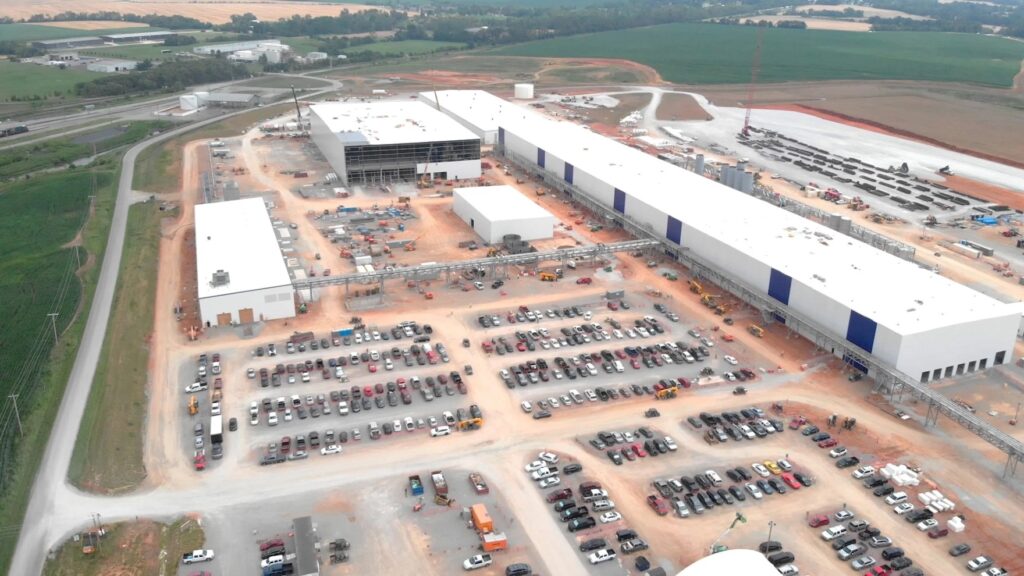
In a major move for the U.S. semiconductor industry, Intel has officially joined a high-profile initiative led by Elon Musk to build a next-generation chip manufacturing facility in Texas. The ambitious “Terafab” project, backed by SpaceX and Tesla, aims to produce massive computing power to support the future of artificial intelligence, robotics, and space technologies. 🚀 What Is the Terafab Project? The Terafab initiative is designed to create a cutting-edge semiconductor factory capable of producing up to 1 terawatt (1 TW) of compute annually—a massive leap in processing capacity. This compute power could fuel: The vision reflects Elon Musk’s broader strategy to integrate AI across industries—from Earth to orbit. 🏭 Intel’s Role: Manufacturing Powerhouse Intel brings critical expertise to the project. As one of the few companies capable of designing, fabricating, and packaging high-performance chips at scale, Intel is expected to handle the most complex part of the operation: chip manufacturing. Although the exact scope of its involvement hasn’t been fully disclosed, Intel stated that its capabilities will help accelerate Terafab’s mission. This partnership also gives Intel two major anchor clients—Tesla and SpaceX—boosting its foundry business ambitions. ⚠️ Why Building a Chip Factory Is So Challenging Constructing a semiconductor fabrication plant (fab) is one of the most expensive and complex projects in tech: Previously, questions were raised about how Tesla and SpaceX—companies without chip manufacturing experience—could execute such a project. Intel’s involvement now provides a clear answer. 📊 Strategic Shift in the Chip Industry Once the dominant U.S. chipmaker, Intel has faced strong competition from rivals like Nvidia and AMD, which adopted a fabless model—designing chips while outsourcing manufacturing. By joining Terafab, Intel is doubling down on its manufacturing-first strategy, aiming to reclaim leadership in semiconductor production. Following the announcement, Intel’s stock saw a notable rise, reflecting investor optimism about the partnership. 🔮 What This Means for the Future of AI The Terafab project signals a major shift in how tech giants approach infrastructure: If successful, this initiative could redefine global competition in semiconductors and AI computing. 💡 Final Thoughts The collaboration between Intel, Tesla, and SpaceX marks a bold step toward the future of high-performance computing. The source of this news is Tech Crunch. For TechMeo readers, this is more than just a business deal—it’s a glimpse into the next era of AI infrastructure, where massive compute power will drive everything from self-driving cars to space-based data systems.
Intel Joins Elon Musk’s Terafab Project: New Texas Chip Factory Aims to Power AI and Robotics Boom Read More »

, , , , , , ,