
tech news usa

www-beepinsider-com

AI Wealth Boom Sparks New Debate: Why Index Ventures Co-Founder Neil Rimer Believes Tech Fortunes May Be Redistributed

Artificial intelligence has created one of the fastest wealth booms in technology history, but one veteran venture capitalist believes the story is far from over. Neil Rimer, co-founder of Index Ventures, recently suggested that the massive fortunes generated by AI could eventually be redistributed—either voluntarily through philanthropy or involuntarily through government policies. His remarks arrive at a time when AI companies continue attracting billions in investment, startup valuations are reaching record highs, and discussions around wealth inequality, philanthropy, and taxation are becoming central to America’s technology landscape. Neil Rimer Raises Questions About AI Wealth Concentration Neil Rimer made headlines after discussing the future of AI wealth during a technology event in Athens. Rather than celebrating the enormous financial gains flowing into artificial intelligence, he argued that society could eventually witness a redistribution of those fortunes. According to Rimer, technology leaders have an opportunity to guide that process voluntarily instead of waiting for governments to intervene with new regulations or taxes. The comments stand out because Rimer is not an outsider criticizing Silicon Valley. He helped build Index Ventures into one of the world’s leading venture capital firms, backing successful technology startups and generating billions in investment returns. Index Ventures Continues to Benefit From the AI Revolution Index Ventures remains one of the most influential venture capital firms in the global startup ecosystem. The company has invested in several high-growth technology businesses, including AI startup Anthropic. Recent exits have strengthened the firm’s reputation. High-profile deals, including Figma’s public offering and Google’s acquisition of cybersecurity company Wiz, reportedly generated billions in returns for investors. These successes demonstrate how venture capital firms continue benefiting from artificial intelligence, cloud computing, cybersecurity, and enterprise software innovation. Philanthropy Is Losing Momentum Among Tech Billionaires While AI creates unprecedented fortunes, charitable giving among America’s wealthiest individuals appears to be slowing. The Giving Pledge, launched by Bill Gates and Warren Buffett to encourage billionaires to donate at least half of their wealth, has experienced a noticeable decline in new commitments. Industry analysts say many younger technology founders are prioritizing startup investments, venture funding, and entrepreneurship instead of traditional philanthropy. This shift reflects a broader change in how many Silicon Valley entrepreneurs view wealth creation and long-term impact. Charitable Giving Trends Show Mixed Signals Although total charitable donations in the United States reached record levels recently, fewer households are participating in philanthropy than in previous decades. Research indicates that household giving has steadily declined, even among affluent Americans. Financial experts suggest several contributing factors, including economic uncertainty, changing investment priorities, and growing interest in funding private innovation instead of nonprofit organizations. These trends have fueled conversations about whether voluntary philanthropy alone can address expanding wealth inequality created by emerging technologies. AI Startup Employees Focus on Investing Instead The changing mindset is also visible inside leading AI companies. Some financial advisers working with employees from rapidly growing artificial intelligence firms report that newly wealthy workers are often more interested in angel investing, launching startups, or expanding personal investment portfolios than making large charitable commitments. Even when companies offer generous donation-matching programs, participation appears lower than many expected. This trend highlights how today’s AI entrepreneurs often prioritize reinvesting capital into the innovation economy rather than directing significant portions toward philanthropy. California Wealth Tax Proposal Adds Pressure The debate over AI wealth is no longer limited to philanthropy. California voters are considering a one-time 5% wealth tax targeting billionaires. Supporters argue the proposal could help reduce wealth inequality while funding public programs. Critics, however, warn that wealthy entrepreneurs and investors could relocate to lower-tax states, reducing California’s competitiveness as a global technology hub. Several high-profile billionaires have already established primary residences in states such as Florida, where tax policies are generally viewed as more favorable. Could OpenAI’s Future IPO Change the Conversation? OpenAI has reportedly explored the possibility of a future public offering, fueling additional discussion around taxation and wealth management. If more AI companies eventually go public, founders, executives, and early investors could see dramatic increases in personal net worth. That possibility has intensified conversations around capital gains, wealth taxes, equity ownership, startup compensation, and long-term financial planning across the technology sector. Economists Remain Divided Experts continue debating whether wealth taxes are an effective solution. Supporters believe targeted taxation could reduce economic inequality while funding education, healthcare, and infrastructure. Opponents point to several countries that eventually eliminated wealth taxes after experiencing capital flight and declining investment. Many economists argue that encouraging entrepreneurship while expanding voluntary charitable giving may produce better long-term economic outcomes than imposing aggressive taxation. What Neil Rimer’s Message Means for the AI Industry Neil Rimer’s comments reflect a growing discussion taking place across Silicon Valley. Artificial intelligence is creating extraordinary business opportunities, but it is also concentrating wealth faster than many previous technology revolutions. As AI startups continue raising billions of dollars and producing new billionaires, public scrutiny around wealth distribution will likely intensify. Technology leaders, venture capital firms, policymakers, and entrepreneurs now face an important question: Should the AI industry’s financial success be shared through expanded philanthropy, or will governments increasingly pursue tax-based redistribution? The answer could shape the future relationship between innovation, investment, public policy, and economic opportunity throughout the United States. As the AI economy accelerates, debates over wealth concentration, startup success, venture capital, philanthropy, and taxation are becoming just as significant as breakthroughs in artificial intelligence itself. For America’s technology industry, the next chapter may focus not only on creating wealth—but also on deciding how that wealth ultimately benefits society. The Source of this news is Tech Crunch.
AI Wealth Boom Sparks New Debate: Why Index Ventures Co-Founder Neil Rimer Believes Tech Fortunes May Be Redistributed Read More »

, , , , , , , , ,
www-beepinsider-com

Databricks Soars to $188 Billion Valuation as AI Strategy Powers One of Tech’s Biggest Success Stories

Artificial intelligence continues to reshape the technology industry, and Databricks is emerging as one of its biggest winners. The cloud data and AI company has announced a new funding round that values the business at an impressive $188 billion, reinforcing its position among the world’s most valuable private technology companies. The latest investment highlights how companies that successfully combine enterprise data platforms, machine learning, and generative AI are attracting massive investor confidence as businesses accelerate AI adoption. Databricks Reaches a $188 Billion Valuation Databricks confirmed that venture capital firm Coatue is leading its newest strategic funding round. While the company did not officially disclose the investment amount, multiple reports indicate the raise is expected to total approximately $3 billion. Although the financing has not officially closed, Databricks announced the valuation ahead of the transaction, signaling strong investor demand for shares. The announcement marks another milestone in one of the fastest valuation increases seen in the AI industry. AI Transformation Fuels Rapid Growth Databricks has spent the past 18 months transforming itself from a cloud analytics company into a leading enterprise AI platform. Originally founded in 2013 during the big data revolution, the company became widely known for helping organizations manage massive cloud datasets while delivering high-performance analytics. As generative AI gained momentum, Databricks leveraged its extensive enterprise data ecosystem to launch a new generation of AI-powered products focused on business productivity, automation, and intelligent decision-making. That strategic shift has dramatically increased investor interest. Valuation Has Nearly Tripled in Less Than Two Years Databricks’ growth has been remarkable. Its recent funding milestones include: The rapid rise illustrates how AI-focused businesses continue attracting premium valuations in today’s technology market. Expanding AI Product Portfolio Databricks has invested heavily in building an ecosystem of enterprise AI solutions. Its expanding portfolio includes: AI Databases The company introduced Lakebase, a database specifically designed to support AI agents and intelligent applications. AI Governance Databricks’ Unity platform helps organizations manage security, governance, compliance, and data access across AI workloads. AI Agent Management The company also launched Omnigent, a framework designed to coordinate multiple AI agents, making enterprise automation more efficient. Together, these products position Databricks as a complete AI infrastructure provider rather than simply a cloud data platform. Open-Source AI Strategy Sets Databricks Apart One reason behind Databricks’ growing popularity is its strong support for open-weight AI models. Instead of relying exclusively on expensive proprietary large language models, the company has increasingly embraced open-source alternatives that offer strong performance while reducing operational costs. Databricks has become a notable supporter of Z.ai’s GLM 5.2, particularly for software development and coding tasks. This approach reflects a broader industry trend as businesses seek more affordable AI deployment without sacrificing performance. Internal AI Benchmark Reveals Cost Savings Databricks recently shared the results of internal benchmarking involving AI tools used by its 3,000 software engineers. The company evaluated multiple coding models alongside various AI coding assistants, often referred to as AI harnesses. The findings showed that selecting the right AI management layer can significantly influence both performance and operating costs. Databricks concluded that optimizing the combination of AI models and orchestration tools delivers greater efficiency than focusing solely on choosing the most powerful language model. The research highlights an important lesson for enterprises adopting generative AI: infrastructure decisions matter just as much as model selection. Enterprise AI Adoption Continues to Accelerate Businesses across industries are rapidly investing in artificial intelligence, cloud computing, data engineering, and AI automation. Organizations increasingly need platforms that securely connect enterprise data with AI models while maintaining governance, privacy, and compliance. Databricks’ long-standing expertise in managing enterprise data gives it a competitive advantage as companies integrate AI into business operations. Its platform enables organizations to build AI applications without moving sensitive corporate data outside secure environments. Why Investors Remain Bullish The latest funding round demonstrates continued optimism surrounding enterprise AI. Unlike startups built entirely around generative AI, Databricks already serves thousands of enterprise customers with mature cloud infrastructure. Its AI strategy builds upon an established business rather than starting from scratch, reducing execution risk while opening new revenue opportunities. This combination of proven enterprise software, cloud-native architecture, and AI innovation has positioned Databricks as one of the strongest beneficiaries of the current AI investment cycle. What the $188 Billion Valuation Means Databricks’ soaring valuation reflects more than investor enthusiasm—it signals a broader shift in enterprise technology. As companies expand investments in AI agents, machine learning, large language models (LLMs), cloud analytics, and intelligent automation, platforms capable of connecting enterprise data with AI will likely remain in high demand. With its expanding AI ecosystem, strong enterprise customer base, and focus on cost-efficient AI deployment, Databricks has successfully reinvented itself for the generative AI era. The company’s latest valuation reinforces a clear industry trend: in today’s technology market, businesses that combine trusted data infrastructure with scalable AI innovation are leading the next wave of enterprise growth. The source of this news is From Tech Crunch.

Databricks Soars to $188 Billion Valuation as AI Strategy Powers One of Tech’s Biggest Success Stories Read More »

, , , , , , , , ,
beepinsider-com

Apple and Google Face Pressure to Remove AI ‘Nudify’ Apps as San Francisco Cracks Down on Deepfake Pornography

The fight against AI-generated deepfake pornography is escalating in the United States. San Francisco City Attorney David Chiu has formally ordered Apple and Google to remove dozens of AI-powered “nudify” apps from their respective app stores, accusing the tech giants of enabling software that creates non-consensual intimate images (NCII). The move marks one of the strongest legal actions yet against platforms that distribute artificial intelligence tools capable of generating explicit deepfake content. It also raises new questions about AI regulation, app store accountability, digital privacy, and online safety. Why San Francisco Is Targeting Apple and Google According to letters sent by the San Francisco City Attorney’s Office, both Apple and Google have allegedly continued hosting and processing payments for apps that digitally alter photos to create fake nude images without a person’s consent. Officials argue that the companies have been aware of the issue for nearly a year but failed to take sufficient action. David Chiu said the companies have a responsibility to prevent technology that enables sexual exploitation. He stated that AI-powered nudify apps exploit women and girls by creating fake intimate images without consent while generating revenue through app downloads and in-app purchases. California’s Deepfake Laws Strengthen Enforcement California has introduced some of the nation’s toughest laws against AI-generated explicit content. State legislation now makes it illegal to knowingly facilitate or assist in creating non-consensual deepfake pornography. A separate law also allows victims to file civil lawsuits against third parties that help distribute or profit from such material. San Francisco officials argue that these legal protections apply not only to app developers but also to digital marketplaces that distribute and monetize these applications. The city has given Apple and Google 28 days to respond or potentially face civil penalties. Tech Transparency Project Raised Earlier Warnings The legal action follows multiple reports from the Tech Transparency Project (TTP), which warned both companies about the presence of AI nudify apps in their marketplaces. Earlier this year, TTP identified dozens of applications that allowed users to create deepfake intimate images in exchange for paid subscriptions or in-app purchases. The organization also claimed that Apple’s App Store and Google Play Store search systems helped users discover these apps, making the platforms active participants in distributing the technology. These reports intensified public scrutiny over how app marketplaces review AI-powered software before publication. Apple Responds by Removing Apps Apple says its App Store policies already prohibit nudify applications. In response to the city’s concerns, the company confirmed that it has: Apple maintains that applications violating its App Store guidelines are not permitted and that enforcement actions are ongoing. Google Suspends Violating Applications Google also announced enforcement measures following the allegations. The company stated that all five Google Play apps specifically referenced by San Francisco officials have been suspended. Google added that it has removed hundreds of apps violating its AI content policies and has restricted search terms such as “nudify” to reduce user access to similar applications. The company says it continues investigating reports and takes swift action when violations are confirmed. AI Deepfake Technology Raises Growing Privacy Concerns The rapid advancement of generative AI has made creating realistic fake images easier than ever. Modern AI image generation tools can manipulate publicly available photos to produce fabricated explicit content that appears highly convincing. While celebrities have frequently been targeted, cybersecurity experts warn that anyone with photos shared on social media could become a victim. This growing accessibility has fueled concerns surrounding: Lawmakers across the United States are increasingly focusing on regulating these emerging AI risks. App Store Responsibility Under Increased Scrutiny The latest dispute highlights a broader debate over whether app marketplace operators should bear greater responsibility for software distributed through their platforms. Critics argue that companies processing payments and promoting AI applications should conduct stronger reviews before allowing potentially harmful tools to reach consumers. Supporters of stricter oversight believe stronger moderation can reduce the spread of harmful AI-generated content while protecting victims from digital exploitation. The issue also reflects the growing challenge of balancing AI innovation with user safety, content moderation, and ethical artificial intelligence. What This Means for the Future of AI Regulation The action against Apple and Google could become a landmark case in how governments regulate AI-powered applications. As artificial intelligence continues transforming content creation, lawmakers are expected to introduce additional rules governing deepfake technology, AI-generated media, and digital platform accountability. For major technology companies, the message is becoming increasingly clear: app store operators may be expected to play a more active role in preventing harmful AI tools from reaching users. With deepfake abuse becoming a national concern, regulators, technology companies, and policymakers will likely face increasing pressure to strengthen safeguards that protect digital privacy while allowing responsible AI innovation to continue. The source of this news is From Tech Crunch.

Apple and Google Face Pressure to Remove AI ‘Nudify’ Apps as San Francisco Cracks Down on Deepfake Pornography Read More »

, , , , , , , , , ,
techcrunch_com-Mockup-of-Valar-Atomics-site

Valar Atomics Targets $6 Billion Valuation as AI-Powered Nuclear Energy Race Accelerates

The race to power America’s artificial intelligence boom is fueling unprecedented investment in next-generation nuclear technology. Valar Atomics, a California-based nuclear startup developing small modular reactors (SMRs), is reportedly in discussions to raise a massive new funding round that could value the company at approximately $6 billion. The fundraising reflects growing investor confidence in advanced nuclear energy as technology giants search for reliable, carbon-free electricity to support expanding AI infrastructure and data centers. Valar Atomics Eyes Major Funding Round According to multiple reports, Valar Atomics is negotiating a $1 billion equity funding round, with venture capital giant Sequoia expected to lead the investment. While neither company has officially commented, the proposed valuation would represent a significant jump from earlier financing. Earlier this year, the startup secured approximately $450 million in funding, including $340 million in equity and $110 million in debt, at a valuation of around $2 billion. The latest fundraising demonstrates how quickly investor interest has grown in companies building the future of clean energy for AI-powered computing. The deal also highlights an emerging fundraising trend where startups raise capital in multiple stages at different valuations rather than completing a single financing round. Why AI Is Driving Nuclear Energy Investment Artificial intelligence is reshaping the global electricity market. Modern AI models require enormous computational resources, forcing technology companies to build larger and more powerful AI data centers. These facilities consume massive amounts of electricity, creating pressure on existing power grids across the United States. As utilities struggle to expand electricity generation fast enough, advanced nuclear power has emerged as one of the most promising long-term energy solutions. Unlike fossil fuels, small modular reactors can provide: These advantages make SMRs increasingly attractive for powering hyperscale AI infrastructure. Nvidia Partnership Strengthens Valar’s Position Valar Atomics recently demonstrated a proof of concept by using its nuclear reactor to provide electricity to an Nvidia AI chip. The company also announced a collaboration with Nvidia to explore how advanced nuclear reactors could supply energy for future AI data centers. The partnership represents a growing trend where semiconductor companies and energy innovators work together to solve one of AI’s biggest challenges: reliable electricity. As demand for AI computing continues to rise, energy availability is becoming just as important as access to advanced chips. What Makes Valar Atomics Different? Valar is developing a helium-cooled, high-temperature gas reactor, an advanced reactor design intended to improve efficiency and safety compared to traditional nuclear plants. Rather than constructing massive nuclear facilities that often take more than a decade to complete, the company plans to manufacture small modular reactors that can be produced in factories and deployed more rapidly. Its long-term vision includes building hundreds of SMRs capable of supplying electricity directly to AI data centers and industrial customers across the United States. Although the concept promises lower construction costs and faster deployment, commercial-scale implementation remains years away. Competition in the Advanced Nuclear Market Valar Atomics is entering an increasingly competitive industry where several companies are racing to commercialize advanced reactor technology. Major competitors include: With AI companies investing billions into computing infrastructure, nuclear startups are positioning themselves as critical partners in America’s future energy ecosystem. Regulatory Challenges Remain Despite investor enthusiasm, advanced nuclear companies continue to face significant regulatory hurdles. Valar previously joined several startups and U.S. states in challenging the Nuclear Regulatory Commission (NRC), arguing that experimental small reactors should not face the same lengthy licensing process as traditional commercial nuclear plants. The legal dispute remains unresolved, though repeated pauses in litigation suggest ongoing discussions between regulators and industry participants. Industry experts believe streamlined regulations could accelerate deployment while maintaining strict safety standards. Founder Brings Unconventional Background Valar Atomics was founded by Isaiah Taylor, a technology entrepreneur who left high school at age 16 to pursue startups. Now 27, Taylor has previously launched multiple companies before entering the nuclear energy sector. He has also highlighted his family’s scientific legacy, noting that his great-grandfather worked as a nuclear physicist on the historic Manhattan Project. His unconventional path reflects the growing intersection of Silicon Valley entrepreneurship and advanced energy innovation. What This Means for the Future of AI Infrastructure The proposed $6 billion valuation underscores how rapidly nuclear energy is becoming part of the AI investment narrative. As demand for cloud computing, generative AI, machine learning, and high-performance computing continues to surge, stable electricity generation is becoming a strategic priority for technology companies. If Valar Atomics successfully commercializes its reactor technology, it could help address one of the biggest obstacles facing AI expansion—delivering reliable, scalable, and carbon-free power for next-generation data centers. While commercial deployment of SMRs will require years of engineering, regulatory approvals, and construction, investors appear increasingly confident that advanced nuclear energy could play a central role in supporting America’s AI-driven future. The source of this news is From Tech Crunch.

Valar Atomics Targets $6 Billion Valuation as AI-Powered Nuclear Energy Race Accelerates Read More »

, , , , , , , , ,
spacex

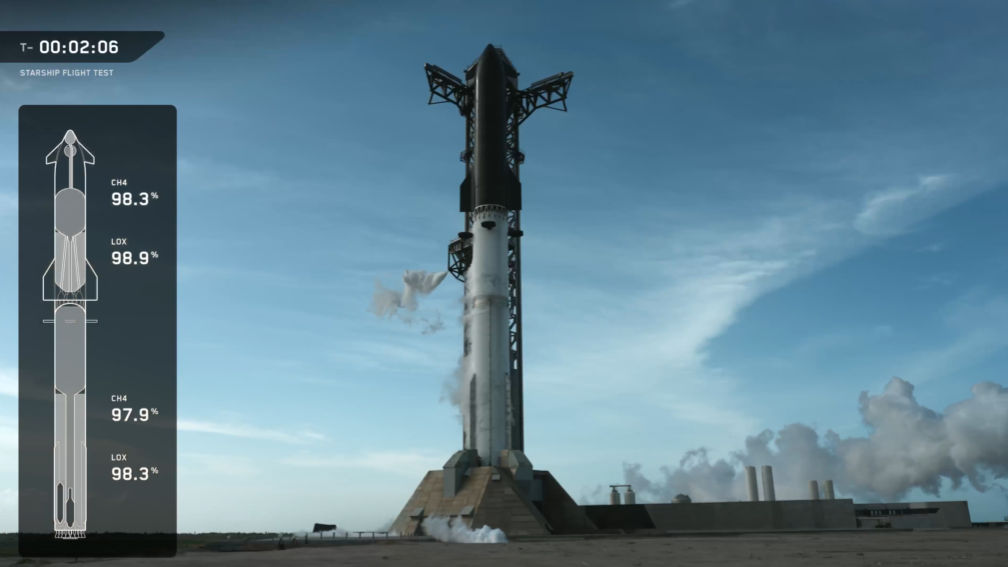
SpaceX Aborts Starship V3 Launch Seconds After Ignition: Engine Failure Delays Next-Gen Starlink Mission

SpaceX’s latest Starship V3 launch ended in a dramatic last-second abort after multiple engines failed to ignite, delaying the company’s plans to deploy its first third-generation Starlink satellites. The unexpected shutdown occurred just moments after the countdown reached zero at SpaceX’s Starbase facility in South Texas. The launch setback comes at a critical time for SpaceX, which is pushing forward with its ambitious next-generation rocket program while navigating life as a newly public company. Although the mission was halted safely by the automated launch system, investors quickly reacted, sending the company’s stock lower in after-hours trading. Why SpaceX Aborted the Starship V3 Launch The launch countdown appeared to progress normally until the final seconds. After a brief hold at T-minus one minute, the countdown resumed, and the launch pad’s water suppression system activated as expected. However, immediately after ignition, the rocket’s engines shut down before liftoff. According to SpaceX CEO Elon Musk, the automated safety system detected that some Raptor engines failed to start, triggering an automatic launch abort. Rather than risking a failed launch, the system safely terminated the countdown before the rocket left the launch pad. Musk later confirmed that SpaceX plans to replace two engines before attempting another launch, with the next opportunity expected sometime next week. What Went Wrong? Early broadcast telemetry suggested that four upgraded Raptor engines may not have ignited correctly during startup. Although SpaceX has not released a complete technical analysis, engineers will now: The automatic abort demonstrates one of the key safety advantages built into modern launch systems—detecting anomalies before a rocket leaves the ground. Starship V3 Is a Major Upgrade Starship Version 3 represents SpaceX’s most advanced launch vehicle to date. The upgraded system includes improvements designed to support: Thursday’s mission would have marked another important milestone in validating these upgrades. Mission Objective: Testing Third-Generation Starlink Satellites One of the biggest goals of this flight was deploying the first V3 Starlink satellites. These upgraded satellites are expected to deliver: Interestingly, these demonstration satellites were not intended to remain in orbit permanently. Since Starship has not yet completed a fully successful orbital mission, the satellites were expected to burn up in Earth’s atmosphere roughly 20 minutes after deployment. The objective was primarily to validate deployment procedures rather than expand the operational Starlink network. Following the Mixed Results of the First Starship V3 Flight The aborted launch follows SpaceX’s first Starship V3 test mission in May, which delivered both successes and setbacks. Positive achievements included: However, engineers also encountered significant technical issues. The Super Heavy booster experienced a malfunction before completing its planned simulated landing in the Gulf of Mexico. That incident prompted a review by the Federal Aviation Administration (FAA), which temporarily paused additional Starship flights. Earlier this week, regulators cleared SpaceX to resume testing after identifying corrective measures for the booster failure. The May mission also experienced the loss of an upper-stage engine during flight, although the spacecraft successfully completed its planned descent afterward. Why This Launch Matters Beyond Space Exploration The Starship program is central to nearly every major SpaceX initiative. Beyond supporting NASA’s Artemis Moon missions and future Mars exploration, Starship is expected to transform commercial satellite launches. A major long-term objective is deploying massive numbers of next-generation Starlink satellites capable of supporting SpaceX’s vision of orbital data centers—space-based computing infrastructure designed to process and distribute data on a global scale. This concept could dramatically reshape cloud computing, communications, and high-speed internet services in the future. Starlink Remains SpaceX’s Financial Engine While Starship represents SpaceX’s future, Starlink currently serves as the company’s strongest commercial business. The satellite internet network generates the majority of SpaceX’s revenue and remains its only consistently profitable division. Successfully deploying newer Starlink satellites is therefore important not only for technological progress but also for expanding the company’s broadband services and long-term revenue growth. Investor Reaction After the Launch Abort The launch delay also came during a sensitive period for investors. SpaceX recently completed the largest initial public offering (IPO) in history, raising more than $85 billion and briefly reaching valuations comparable to some of the world’s biggest technology companies. Despite that milestone, the stock has faced increasing pressure over recent weeks. Following Thursday’s aborted launch: Although launch setbacks are common during rocket development, public markets often respond quickly to high-profile testing failures. What’s Next for SpaceX? Engineers are now focused on identifying the exact cause of the engine startup failure before another launch attempt. If inspections proceed as planned, SpaceX expects to return Starship V3 to the launch pad next week. A successful future flight would move the company closer to achieving reliable orbital missions, deploying advanced Starlink satellites, and advancing its long-term ambitions for reusable space transportation, lunar exploration, and eventually human missions to Mars. As Starship development continues, every test—whether successful or aborted—provides valuable engineering data that brings SpaceX one step closer to building the world’s most powerful fully reusable launch system. The source of this news is From Tech Crunch.

SpaceX Aborts Starship V3 Launch Seconds After Ignition: Engine Failure Delays Next-Gen Starlink Mission Read More »

, , , , , , , ,
beepinsider_com-apple-china

Apple Intelligence Gets Green Light in China: Apple Teams Up With Alibaba and Baidu to Power AI Features

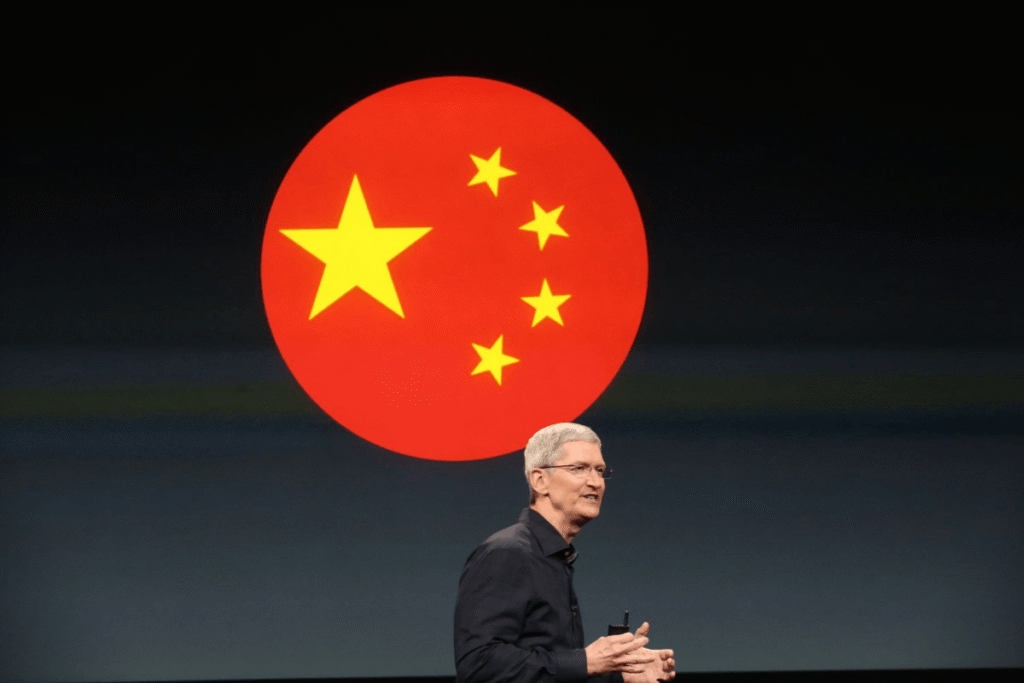
Apple is officially bringing Apple Intelligence to China, marking a major milestone in the company’s global artificial intelligence strategy. After months of speculation, Chinese regulators have approved Apple’s AI services through partnerships with Alibaba and Baidu, paving the way for advanced AI-powered experiences on iPhones, iPads, Macs, and Apple Vision Pro devices. The approval represents a significant breakthrough for Apple in one of its most important markets, where AI services have faced strict regulatory requirements. With local AI partners now onboard, Apple is positioning itself to compete more effectively in China’s fast-growing AI ecosystem. Apple Intelligence Finally Cleared for China Apple’s generative AI platform, Apple Intelligence, has received approval from the Cyberspace Administration of China (CAC). The authorization enables Apple to introduce AI-powered features that were previously unavailable to users in mainland China. To comply with local regulations, Apple has partnered with Alibaba, whose Qwen large language model (LLM) will serve as a key foundation for Apple Intelligence across: The move ensures Apple can deliver AI experiences while meeting China’s strict data governance and AI compliance standards. Alibaba’s Qwen AI Powers Apple Intelligence Alibaba confirmed that its Qwen AI models will be integrated into Apple Intelligence experiences for Chinese customers. The collaboration focuses on several advanced AI capabilities, including: Although neither company announced an official launch date, the partnership confirms that localized AI experiences are moving closer to rollout. Using Alibaba’s technology allows Apple to tailor its AI services specifically for the Chinese market while satisfying domestic regulatory requirements. Baidu Also Joins Apple’s AI Strategy In another important development, Baidu confirmed that it is collaborating with Apple on Apple Intelligence features designed for users in China. While Alibaba’s Qwen models are expected to power core generative AI capabilities, Baidu’s involvement suggests Apple is building a broader AI ecosystem that leverages multiple Chinese technology leaders. Industry reports have previously suggested Apple also explored partnerships with DeepSeek and ByteDance, highlighting the company’s effort to identify the best local AI solutions. Why Apple Needed Local AI Partners Unlike many global markets, China requires AI services to receive regulatory approval before reaching consumers. Foreign AI platforms also face additional compliance requirements related to security, content moderation, and data management. By integrating approved domestic AI models, Apple can deliver Apple Intelligence without violating local AI regulations. This strategy reflects a growing trend where international technology companies partner with regional AI providers to expand into regulated markets. A Big Win for Apple’s Business in China China remains one of Apple’s largest revenue sources despite increasing competition from domestic smartphone manufacturers. During the latest quarter, Apple generated $20.5 billion in revenue from Greater China, representing strong year-over-year growth. The company also recently reclaimed the No. 2 position in China’s smartphone market, helped by aggressive iPhone discounts during major online shopping events. Launching Apple Intelligence could further strengthen Apple’s premium smartphone appeal by giving Chinese users access to AI-powered features already available in other regions. What Apple Intelligence Brings to Users Apple Intelligence introduces a wide range of AI-powered tools designed to improve everyday productivity and creativity. Depending on device compatibility and regional availability, users can expect features such as: For Chinese users, these capabilities will be powered by locally approved AI models while maintaining Apple’s ecosystem experience. Apple’s AI Expansion Continues Apple entered the generative AI race later than several competitors, but the company has steadily expanded Apple Intelligence across its ecosystem. The approval in China removes one of the biggest barriers to global adoption and demonstrates Apple’s willingness to adapt its AI strategy for different regulatory environments. Instead of relying solely on proprietary AI models, Apple is increasingly embracing strategic partnerships that allow it to deliver localized AI experiences without compromising compliance. What This Means for the Global AI Industry Apple’s collaboration with Alibaba and Baidu highlights an emerging trend in artificial intelligence: global technology companies are increasingly combining their own software platforms with regional AI leaders to meet local regulations. The agreement could serve as a blueprint for future AI deployments in markets where government approval and localized AI infrastructure are essential. As Apple Intelligence expands into China, the partnership also intensifies competition in the global AI landscape, where companies are racing to deliver smarter, more personalized experiences across smartphones, tablets, computers, and mixed-reality devices. With regulatory approval now secured, Apple is one step closer to making Apple Intelligence a truly worldwide AI platform while strengthening its long-term position in one of the world’s most valuable technology markets. The source of this news is From Tech Crunch.

Apple Intelligence Gets Green Light in China: Apple Teams Up With Alibaba and Baidu to Power AI Features Read More »

, , , , , , , , , ,
Siri-AI

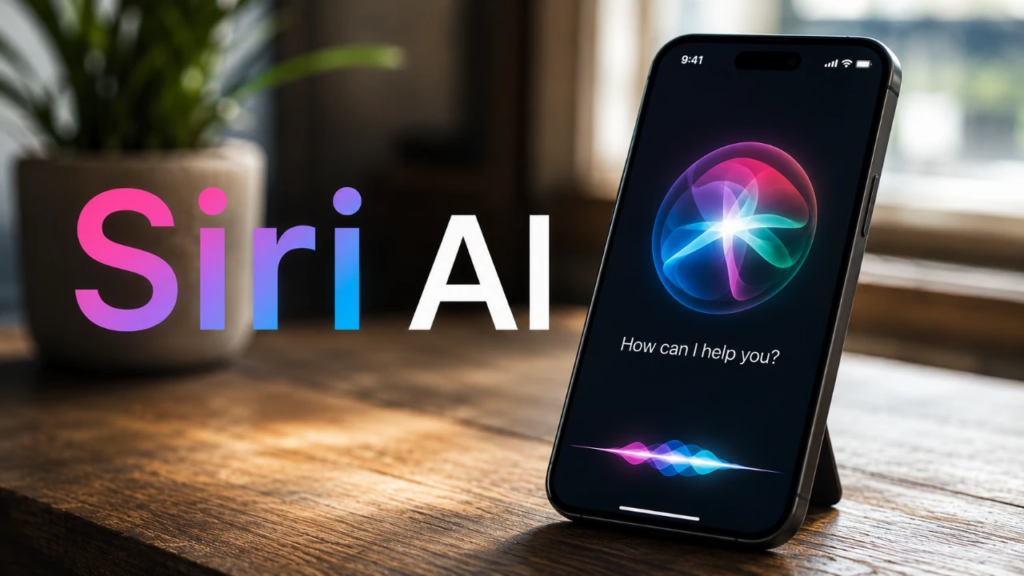
Apple’s iOS 27 Beta Unlocks a More Human Siri: Users Can Now Customize Voice Pace, Expressivity, and AI Conversations

Apple is taking another major step in the AI race with the release of iOS 27 beta 3, introducing long-awaited voice customization features that make Siri more natural, conversational, and personal. The latest developer beta allows users to adjust Siri’s speaking pace and expressivity, giving iPhone owners greater control over how Apple’s AI assistant communicates. The update is part of Apple’s broader Apple Intelligence strategy, which aims to transform Siri into a next-generation generative AI assistant capable of delivering more engaging, personalized, and context-aware conversations. For developers and early adopters, the new beta offers a glimpse into how Apple plans to compete with AI-powered assistants like ChatGPT, Google Gemini, and Amazon Alexa. Apple Introduces Siri Voice Personalization in iOS 27 Beta 3 With iOS 27 beta 3, Apple has officially activated the Pace and Expressivity controls that were previously marked as “Coming Soon” in earlier developer previews. Instead of relying on fixed voice settings, users can now fine-tune how Siri sounds by adjusting: As users move the sliders, Siri immediately provides voice samples, such as announcing new messages, making it easy to compare different speaking styles before selecting their preferred experience. The feature gives users a significantly more personalized interaction with Apple’s digital assistant. Siri Becomes More Natural and Human-Like Voice assistants have evolved beyond answering simple questions. Today’s AI assistants are expected to communicate naturally, understand context, and adapt to individual user preferences. Apple’s latest update focuses on making Siri sound less robotic and more conversational by allowing users to personalize how expressive the assistant becomes during interactions. Whether someone prefers a calm, slower speaking style for clarity or a faster, energetic voice for daily productivity, Siri can now better match individual listening preferences. This personalization also improves accessibility for users who benefit from customized speech speed and clearer voice delivery. Apple Expands Its AI Strategy The Siri improvements are another milestone in Apple’s growing investment in generative artificial intelligence. Introduced during Apple Worldwide Developers Conference 2026, the redesigned Siri is deeply integrated into Apple Intelligence, Apple’s AI platform powering intelligent features across iPhone, iPad, and Mac. Unlike previous versions, the AI-powered Siri supports multiple interaction methods, including: These enhancements create a seamless AI experience regardless of how users prefer to communicate with their devices. How Siri Compares With ChatGPT and Other AI Assistants Apple’s customization options reflect a growing trend across the AI industry, where personalization has become a key competitive advantage. AI platforms increasingly allow users to modify how assistants respond, speak, and interact. While Apple’s latest update focuses on voice pace and emotional expression, competing AI assistants already offer broader customization options that include communication style, personality, tone, and response behavior. The addition of customizable speech controls demonstrates Apple’s commitment to narrowing the gap while maintaining its signature focus on privacy, usability, and seamless ecosystem integration. More Features Arrive in iOS 27 Beta 3 Beyond Siri, Apple has introduced several interface refinements in the latest developer beta. Notable changes include: Some beta testers have also reported temporary issues after updating, including Siri becoming unavailable while devices re-index local data. This behavior appears to be part of Apple’s optimization process as the AI system prepares personalized on-device intelligence. Because the software remains in beta, occasional bugs and feature interruptions are expected before the public release. Why This Update Matters Artificial intelligence is quickly becoming the centerpiece of the smartphone experience. Rather than simply responding to commands, digital assistants are evolving into intelligent companions capable of understanding context, adapting to user preferences, and delivering personalized experiences. Apple’s latest Siri enhancements demonstrate several important industry trends: These technologies are expected to define the next generation of smartphones and digital productivity tools. What iPhone Users Can Expect Currently, Siri’s new voice customization tools are available exclusively to developers testing iOS 27 beta 3. Apple is expected to expand availability through future beta releases before launching the official version of iOS 27 later this year for compatible iPhone models. Once released, millions of users will gain access to a significantly more personalized Siri experience designed to improve communication, productivity, and everyday interactions. Final Thoughts Apple’s latest iOS 27 beta marks an important evolution for Siri. By introducing customizable speaking pace and expressivity, the company is making its AI assistant feel more conversational, adaptable, and user-focused than ever before. As Apple continues expanding its Apple Intelligence ecosystem, Siri is becoming more than a traditional voice assistant—it is evolving into a personalized AI companion capable of delivering smarter, more natural interactions. For consumers, developers, and the broader technology industry, these enhancements signal Apple’s long-term commitment to shaping the future of artificial intelligence across its ecosystem. The source of this news is From Tech Crunch.

Apple’s iOS 27 Beta Unlocks a More Human Siri: Users Can Now Customize Voice Pace, Expressivity, and AI Conversations Read More »

, , , , , ,
xrp-etf-1

XRP’s Wall Street Moment: Why the CLARITY Act Could Unlock the Next Era of Blockchain Finance

The cryptocurrency industry has spent years promising to transform global finance. While many digital assets remain driven by speculation, one blockchain network is increasingly attracting attention from major financial institutions for a completely different reason—real-world settlement. In May 2026, a landmark blockchain transaction involving JPMorgan, Mastercard, and Ondo Finance demonstrated how tokenized U.S. Treasury securities can be settled on the XRP Ledger (XRPL). The successful pilot highlighted that blockchain technology is no longer limited to crypto trading. Instead, it is becoming part of institutional financial infrastructure. However, despite the technology proving its capabilities, one major obstacle remains: U.S. regulation. Many analysts believe the proposed CLARITY Act could provide the legal certainty needed for blockchain-based settlement to expand from pilot programs into mainstream financial markets. XRP Is Moving Beyond Cryptocurrency Trading For years, XRP has primarily been viewed as a digital asset whose price reacts to market sentiment and regulatory headlines. Today, its broader role is becoming more apparent. The XRP Ledger is increasingly being explored as infrastructure for settling tokenized real-world assets (RWAs), including government securities, payment transactions, and financial instruments. Unlike speculative crypto projects, XRPL focuses on: These characteristics have made it attractive to institutions exploring blockchain-based settlement. A Major Institutional Pilot Signals Growing Confidence One of the biggest developments came when JPMorgan, Mastercard, and Ondo Finance reportedly completed a settlement involving a tokenized U.S. Treasury on the XRP Ledger. Although the transaction operated as a pilot rather than a full-scale production system, it demonstrated that blockchain technology can successfully process institutional-grade financial assets. The significance extends far beyond XRP itself. It signals that some of the world’s largest financial organizations are actively experimenting with public blockchain networks for future settlement systems. Tokenization Is Becoming Wall Street’s Next Big Opportunity Tokenization refers to converting traditional assets into blockchain-based digital tokens. These assets may include: Rather than relying on multiple intermediaries, blockchain allows ownership records and payment settlement to occur almost simultaneously. This offers several potential advantages: Financial institutions increasingly see tokenization as a way to modernize decades-old settlement infrastructure. Why Current Settlement Systems Need Modernization Traditional securities settlement remains surprisingly slow. Even in today’s digital economy, transferring ownership of financial assets often requires multiple intermediaries, reconciliation processes, and waiting periods. Settlement delays increase: Blockchain technology has the potential to remove many of these inefficiencies. Instead of waiting days for transactions to finalize, tokenized assets can settle within seconds or minutes, depending on the underlying blockchain. That efficiency explains why institutions continue investing in blockchain infrastructure despite regulatory uncertainty. The Biggest Challenge Isn’t Technology—It’s Regulation Perhaps the most important takeaway from recent institutional pilots is that the technology already works. The missing piece is legal clarity. Currently, no comprehensive U.S. law clearly defines how tokenized securities settled on public blockchain networks should be regulated. Financial institutions therefore face important unanswered questions: Large banks cannot move trillions of dollars through infrastructure without knowing the legal framework. This uncertainty remains one of the largest barriers to institutional blockchain adoption. Why the CLARITY Act Matters The proposed CLARITY Act seeks to establish a comprehensive regulatory framework for digital assets in the United States. Supporters argue that the legislation could provide: Rather than changing blockchain technology itself, the bill aims to create legal certainty for companies already building blockchain infrastructure. Many industry observers believe this certainty is essential before large financial institutions expand blockchain settlement beyond pilot programs. XRP Ledger’s Growing Institutional Ecosystem The XRP Ledger is no longer supported solely by Ripple’s payment vision. Its ecosystem now includes multiple institutional initiatives involving: Reports indicate that the XRP Ledger hosts billions of dollars worth of tokenized real-world assets, illustrating growing enterprise interest. Although still small compared to traditional capital markets, this represents meaningful progress toward institutional adoption. RLUSD Adds Another Piece to the Puzzle Another important development is Ripple’s U.S. dollar-backed stablecoin, RLUSD. Stablecoins play a critical role in tokenized finance because they represent the cash side of blockchain settlement. When tokenized securities change ownership, payment typically requires a digital dollar. RLUSD is designed to fulfill that function. Its growing availability across multiple blockchain networks and integrations with payment infrastructure strengthen Ripple’s broader financial ecosystem. Together, XRP Ledger and RLUSD could eventually support both asset transfers and payment settlement within the same blockchain environment. Why Institutional Adoption Matters More Than Price Much of the crypto market focuses on short-term price movements. Institutional investors often evaluate something entirely different: Utility. If blockchain networks become essential infrastructure for financial markets, their long-term value may depend less on speculation and more on actual usage. Institutional adoption generally provides: For XRP supporters, these factors may ultimately prove more significant than temporary market fluctuations. Risks Investors Should Understand Despite growing momentum, several uncertainties remain. Regulatory Risk The CLARITY Act has not yet become law. Legislative outcomes remain uncertain, and future regulatory changes could alter the market landscape. Adoption Timeline Financial institutions traditionally adopt new infrastructure gradually. Even after regulatory clarity, widespread implementation may take years. Market Competition The XRP Ledger is not the only blockchain competing for institutional finance. Networks such as Ethereum, Stellar, Avalanche, and permissioned blockchain platforms are also pursuing tokenization opportunities. Competition will likely remain intense. What This Means for the Future of Blockchain Finance The recent institutional settlement involving tokenized U.S. Treasuries illustrates an important shift in blockchain’s evolution. Instead of focusing solely on cryptocurrencies, major financial organizations are increasingly exploring blockchain as critical financial infrastructure. If regulatory frameworks mature alongside technological innovation, tokenized securities and blockchain settlement could eventually become standard components of capital markets. Whether XRP ultimately becomes one of the leading settlement rails will depend not only on technology but also on legislation, institutional adoption, and continued ecosystem development. Final Thoughts The blockchain industry has reached an important crossroads. Technology is advancing faster than regulation, and institutional interest continues to grow. Recent pilots involving major financial organizations suggest blockchain-based settlement is no longer a theoretical concept—it is already being tested by some of the world’s largest financial players. The remaining challenge

XRP’s Wall Street Moment: Why the CLARITY Act Could Unlock the Next Era of Blockchain Finance Read More »

, , , , , ,
usa crypto

Bitcoin Mining Profits Shrink as AI Cloud Computing Gains Momentum: Why the Crypto Industry Is Entering a New Era

The cryptocurrency mining industry is undergoing a major transformation. As Bitcoin mining becomes more expensive following the latest halving event, U.S. mining companies are facing tighter profit margins, higher operating costs, and growing competition. At the same time, AI-powered cloud computing and cloud mining platforms are attracting increasing attention from crypto investors looking for alternative ways to participate in digital asset infrastructure without purchasing expensive mining equipment. This shift highlights how artificial intelligence is reshaping the future of cryptocurrency mining and digital asset management. Bitcoin Miners Face Mounting Financial Pressure The latest Bitcoin halving reduced block rewards, meaning miners now earn fewer Bitcoin for validating transactions on the blockchain. While the network remains secure, the reduced rewards have created new financial challenges for mining businesses across the United States. Several factors continue to pressure mining profitability, including: For many operators, improving efficiency has become just as important as increasing computing power. Why AI Is Becoming Important in Crypto Mining Artificial intelligence is beginning to play a larger role in cryptocurrency infrastructure. Modern AI systems can help optimize computing resources by: As mining becomes increasingly competitive, companies are exploring AI-driven technologies to maximize efficiency while lowering operational costs. Cloud Mining Continues to Expand Unlike traditional mining, cloud mining allows users to access computing power remotely instead of purchasing and maintaining physical mining machines. This model removes several common barriers to entry, including: Instead, users typically purchase or lease computing power through a cloud-based platform that manages the infrastructure on their behalf. Supporters of cloud mining believe it makes digital asset participation more accessible, while critics encourage investors to carefully evaluate providers and understand all associated risks before committing funds. Ei Crypto Highlights AI-Powered Cloud Computing Among the platforms promoting AI-powered cloud computing is Ei Crypto, which says it uses artificial intelligence to allocate computing resources automatically across its global infrastructure. According to the company, its platform supports multiple digital assets, including: The company states that users can choose a computing plan while the platform manages resource allocation, operational monitoring, and earnings calculations through automated systems. As with any cryptocurrency service, users should independently evaluate platform features, risks, fees, and regulatory considerations before investing. Security Remains a Top Priority Security has become one of the most important factors when choosing any cryptocurrency platform. Ei Crypto says its infrastructure includes several protective measures, such as: While these features are commonly promoted across the crypto industry, investors should always conduct independent research and verify security practices before depositing digital assets. How Cloud Computing Platforms Typically Work Many cloud computing services follow a straightforward onboarding process. Generally, users: Some providers also offer promotional bonuses or trial incentives for new customers. Investors should carefully review all terms and conditions before participating. AI Could Reshape the Future of Digital Asset Infrastructure Artificial intelligence is rapidly expanding beyond chatbots and automation into blockchain infrastructure. Industry experts believe AI could improve: These advancements may help mining operators reduce costs while improving scalability across global computing networks. What Investors Should Know Cloud mining offers convenience, but it also carries important considerations. Before using any cloud computing or mining platform, investors should: Performing thorough due diligence is essential before making any investment decision. Final Thoughts The cryptocurrency mining landscape is evolving rapidly. Rising electricity costs, lower Bitcoin mining rewards, and increasing competition are forcing traditional mining companies to rethink their business models. Meanwhile, AI-powered cloud computing is emerging as a technology trend that could improve operational efficiency and expand access to digital asset infrastructure. Platforms such as Ei Crypto are positioning themselves within this growing market by offering AI-managed cloud computing services and simplified participation models. As blockchain technology, artificial intelligence, and cloud infrastructure continue to converge, investors can expect further innovation across the crypto ecosystem. However, evaluating opportunities carefully and understanding the risks involved remain critical steps before participating in any digital asset or cloud mining platform. The source of this news is Crypto News.

Bitcoin Mining Profits Shrink as AI Cloud Computing Gains Momentum: Why the Crypto Industry Is Entering a New Era Read More »

, , , , , , ,
Elon Musk

Elon Musk Becomes the World’s First Trillionaire After SpaceX’s Blockbuster IPO Milestone

History was made on Wall Street as Elon Musk officially became the world’s first trillionaire, following the highly anticipated SpaceX initial public offering (IPO). The landmark debut pushed the entrepreneur’s estimated net worth beyond the $1 trillion mark, reinforcing his position as the wealthiest person on the planet. The achievement is driven primarily by the soaring value of SpaceX shares, combined with Musk’s substantial ownership in Tesla. While the milestone represents an extraordinary financial accomplishment, it also raises new discussions about corporate influence, executive power, and the future of the commercial space industry. SpaceX IPO Sends Musk’s Fortune Past $1 Trillion SpaceX entered the public markets with shares priced at $135 each, giving the aerospace company one of the largest market debuts in recent history. As the company’s founder and CEO, Musk retained an enormous ownership stake. Reports indicate that his SpaceX holdings alone were valued at approximately $860 billion immediately after the IPO pricing. When combined with the value of his Tesla shares and the strong first-day trading performance of SpaceX stock, Musk’s estimated net worth crossed the historic $1 trillion threshold. The milestone makes him the first individual ever to reach a four-comma fortune on paper. Why the SpaceX IPO Is So Significant SpaceX has transformed from a private rocket startup into one of the world’s most valuable aerospace and technology companies. Its business spans multiple high-growth sectors, including: Investors have long viewed SpaceX as one of the most valuable private technology companies, making its public listing one of the most anticipated IPOs of the decade. The successful launch into public markets significantly increased shareholder value while giving investors direct access to one of the fastest-growing companies in the global space economy. Tesla Continues to Strengthen Musk’s Wealth Although SpaceX played the largest role in pushing Musk past the trillion-dollar milestone, Tesla remains a major pillar of his financial portfolio. The electric vehicle manufacturer continues to be one of the world’s most valuable automakers, with investments spanning: The combination of Tesla and SpaceX gives Musk ownership across several of the world’s fastest-growing technology industries. More Wealth Could Be on the Horizon Financial analysts believe Musk’s fortune could continue growing in the coming years. Tesla shareholders previously approved an executive compensation package tied to ambitious operational and market value targets. If those performance milestones are achieved, the package could become one of the largest executive compensation plans ever awarded. In addition, Musk owns a large number of SpaceX shares that remain subject to specific long-term conditions. While certain shares cannot currently be sold under the company’s structure, they may still serve as collateral for borrowing, allowing access to significant liquidity without selling the underlying assets. Musk Maintains Strong Control Over SpaceX Despite becoming a publicly traded company, SpaceX remains heavily influenced by its founder. Musk reportedly controls more than 80% of the company’s voting power, giving him significant authority over corporate governance. His influence includes: This governance structure allows Musk to retain substantial decision-making power even after the company’s stock market debut. A Historic Financial Milestone Sparks Debate Musk’s rise to trillionaire status has generated widespread discussion beyond financial markets. Supporters point to his role in advancing: Critics, however, continue to question the concentration of wealth and corporate influence, particularly given Musk’s involvement in political and public policy matters. His growing financial influence has intensified conversations surrounding executive accountability, regulatory oversight, and the broader role of billionaire entrepreneurs in shaping technology and government initiatives. Space Economy Growth Continues to Accelerate The SpaceX IPO reflects increasing investor confidence in the commercial space industry. Demand continues expanding across several key sectors, including: Industry analysts expect global investment in space technology to grow substantially over the next decade as governments and private companies increase spending on aerospace innovation. What This Means for Investors The successful SpaceX IPO demonstrates strong investor appetite for companies operating at the intersection of advanced technology, artificial intelligence, aerospace engineering, and next-generation infrastructure. Public investors now have exposure to one of the industry’s most influential companies, although future performance will depend on execution, technological advancements, regulatory developments, and broader market conditions. As competition in the commercial space sector intensifies, investors will closely monitor SpaceX’s ability to maintain its leadership position. Final Thoughts Elon Musk’s rise as the world’s first trillionaire marks a historic moment in both financial markets and the technology industry. The successful SpaceX IPO significantly boosted his estimated wealth while highlighting the growing importance of commercial space exploration and advanced innovation. Beyond the record-breaking valuation, the milestone reflects the expanding role of aerospace, electric vehicles, artificial intelligence, and private investment in shaping the future of technology. As SpaceX begins its journey as a publicly traded company, investors and industry leaders will be watching closely to see how its next chapter influences the global space economy and the broader tech landscape. The source of this news is Tech Crunch.
Elon Musk Becomes the World’s First Trillionaire After SpaceX’s Blockbuster IPO Milestone Read More »

, , , , , , ,