
Startups

databricks

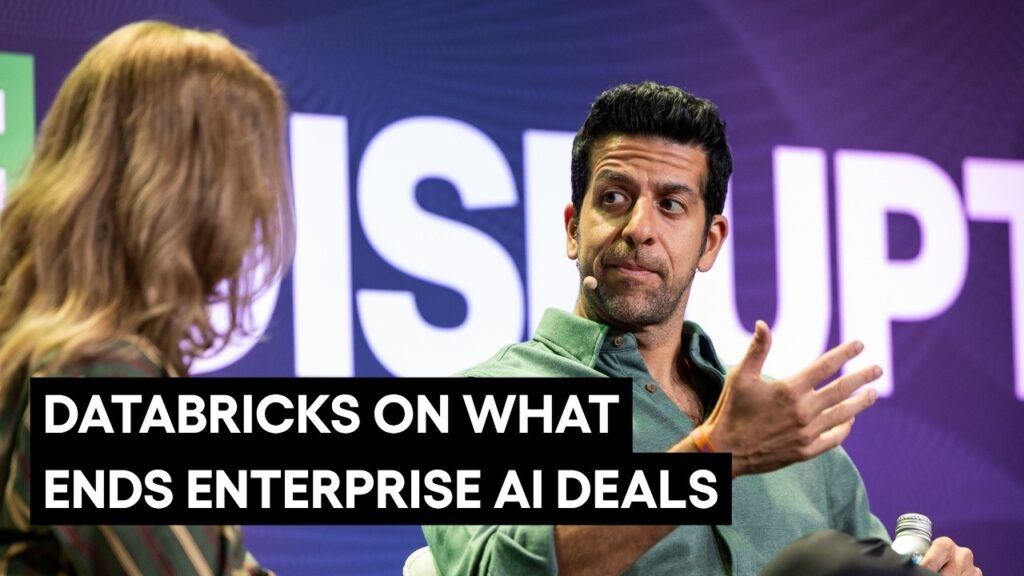
Databricks Co-Founder’s Playbook: How Startups Land Big Enterprise Customers

Great technology won’t close an enterprise deal on its own. That’s the hard lesson from Arsalan Tavakoli-Shiraji, co-founder and senior vice president of field engineering at Databricks, who shared his sales playbook at TechCrunch Disrupt. Quick Facts Why Great Tech Isn’t Enough Young startups often assume a superior product will sell itself. Tavakoli-Shiraji says he learned otherwise while landing Databricks’ first big deals. Early on, he once landed a meeting with a prospect who had already staked his career on a rival’s mega-contract, so he had no reason to listen. Other early deals fell apart because the startup wasn’t ready for legal, contract and security questions. Enterprise buyers expect answers to all three before they sign. Tip 1: Sell Under a Bigger Company’s Umbrella Databricks tried and failed to get a meeting with Swiss bank UBS. Then it became an Azure cloud partner with Microsoft. That meant deals could run under Microsoft’s terms, and Microsoft’s sales team booked meetings and advocated for the startup. Suddenly, meetings that had been hard to get became easy. Tavakoli-Shiraji said the startup started “getting pulled everywhere,” which created new problems, like prospects asking for features in countries Databricks hadn’t entered yet. Those were good problems to have. Today, Databricks plays the same role for startups. It sells their products under its own terms and security setup. Examples include Hightouch, Addepar and Tecton, which Databricks later acquired. Tip 2: Answer the “Four C’s” When Selling AI Tavakoli-Shiraji groups enterprise objections about AI into four categories: Address all four early, and you remove the biggest sources of buyer hesitation. Tip 3: Go After Expensive Legacy Systems Tavakoli-Shiraji asks CIOs to rate their AI progress from one to five. A one means staff merely have access to ChatGPT. A five means AI has reshaped business processes. Nearly everyone claims “three leaning toward four,” but he says 99% of the leaders he talks to sit in the one-or-two range. He believes real enterprise AI adoption will take many years. In the meantime, he sees a big opening in legacy tech. Banks still run IBM AS/400s and mainframes that nobody wants to touch because nobody knows what the code does. AI agents can now analyze and break down that code, which creates openings for startups to modernize interfaces or replace the systems entirely. Takeaways for Founders What to Watch Next Expect more startups to pursue partner-led sales and legacy-modernization products as AI agents mature. TechCrunch’s full interview also covers Tavakoli-Shiraji’s predictions for enterprise AI, plus a story about posing as a lawyer to land a deal. Source: TechCrunch

Databricks Co-Founder’s Playbook: How Startups Land Big Enterprise Customers Read More »
, , , , , , , , , , ,
startups

Startups Don’t Need to Go Viral: 3 Proven Ways Founders Win and Keep Early Customers

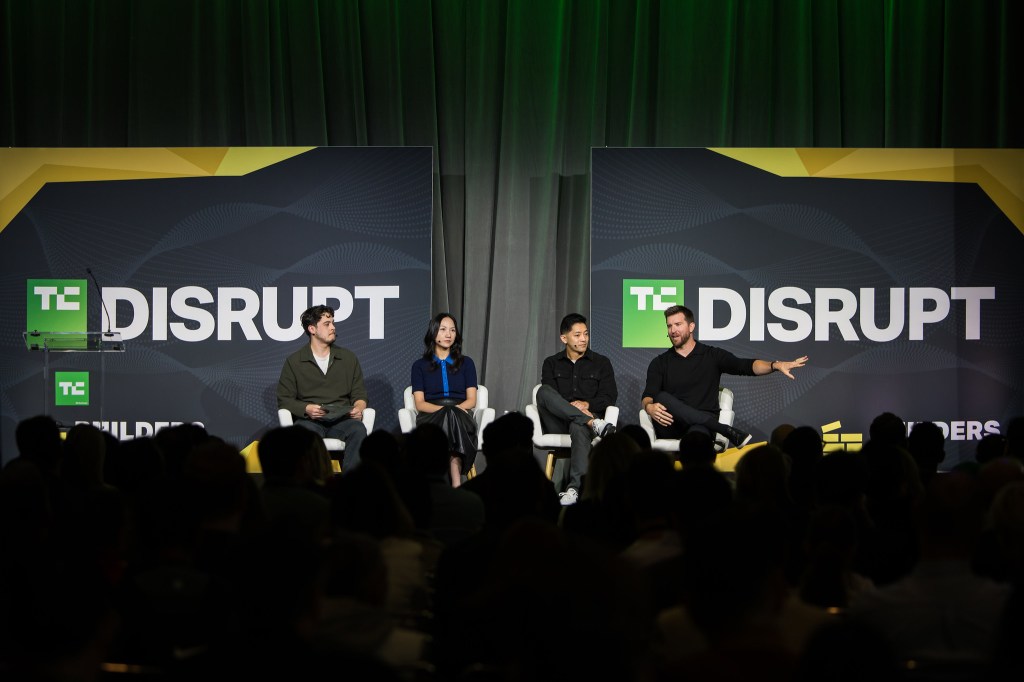
Landing your first customers is one of the hardest jobs in startup life, and keeping them is harder still. At TechCrunch Disrupt, two founders and a venture investor made the case that you don’t need a viral moment to do either. Quick Facts The Social Media Temptation Some young AI companies, including Cluely and Instinct, have built large audiences partly through their founders’ bold online personas. That makes social media look like a shortcut to early customers. The panelists agreed it can work, but only with a clear plan. Gamma’s Creator Playbook Gamma, an AI-powered presentation tool, grew fast by running an influencer program it calls its Ambassadors program, or “Gambassadors.” The company started the strategy before creator marketing became a common startup tactic, and it later reached a multi-billion-dollar valuation. Lee said the program only works when creators match the audience. If your product serves several segments, such as consultants or marketers building decks for executives, you need different creators for each group. He also warned against treating influencer marketing as a “set it and forget it” tactic. If creators can’t explain what your product does and why it matters, spending more money won’t fix the message. Engine’s Old-School Approach Elia Wallen took the opposite route. His company, Engine, manages lodging and travel bookings for midsize businesses, and it bootstrapped its way to $150 million in bookings before taking any outside funding. It had no visible social media strategy. Instead, the team went to events and picked up the phone. Wallen said many founders who didn’t grow up with cold calling assume it’s outdated, but it still works, and many companies ignore a big offline client base because they don’t know how to do it well. His summary: “The phone still works.” The Magician Trick Engine also used a memorable booth tactic in its scrappy early days: it hired a magician named David to perform for prospects at events and steer them toward the Engine booth. The lesson isn’t to hire a magician. It’s that personal, in-person engagement can match or beat the latest social media tricks. Retention: Read the Usage Data Winning a customer is only half the job. Crystal Huang, who has worked with many startups, said founders should study how customers use the product after signing up. Key questions include: She said the goal is to create evangelists who are truly passionate about the product, and early usage and retention data can reveal who they are. What Founders Can Take Away What to Watch Next Expect more founders to mix creator marketing with traditional outreach, and more investors to push startups toward retention metrics over raw buzz. Source: TechCrunch

Startups Don’t Need to Go Viral: 3 Proven Ways Founders Win and Keep Early Customers Read More »

, , , , , , , , , ,