
November 2026

us-hackers

Feds Warn of “Ongoing” Cyber Threat to Industrial Freezers as Hackers Hit Grocers, Military Bases and a Blood Bank

Your grocery store’s freezers, a military commissary’s cold storage and a blood bank’s fridges might share one weakness: they’re connected to the internet. U.S. agencies now say that weakness is being exploited, and the threat isn’t over. Quick Facts What the Government Says Is Happening In a joint statement, federal agencies said hackers are targeting and compromising refrigeration and cold chain monitoring systems in grocery stores and cold storage facilities. Attackers can change temperatures, which could cause fire hazards, lost inventory and a shorter service life for equipment. A separate fact sheet adds that hackers may force units into constant heating and defrost cycles, causing widespread inventory loss and equipment hazards. Where the Attacks Have Hit The warning follows a string of incidents: Who’s Behind It? The U.S. hasn’t blamed any group or government. Security researchers have broadly pointed to Iran, and U.S. officials reportedly suspect Iran is responsible too. Until authorities confirm, treat attribution as unconfirmed. What the Agencies Want Operators to Do CISA and its partners urge affected industries to: CISA’s acting cybersecurity chief, Chris Butera, said any organization that relies on refrigeration and monitoring systems should assume it could be a target. Why Cold Chains Are an Attractive Target Food, vaccines and blood all depend on steady temperatures. A hacker doesn’t need to steal data to cause damage. Raising the thermostat on a freezer can quietly destroy thousands of dollars of product, and in medical settings, put supplies at risk. Because many of these devices are older and rarely updated, they make easy entry points. What It Means for Consumers Shoppers shouldn’t see unsafe products on shelves, since stores must discard spoiled goods. But supply disruptions and empty cases are possible if a retailer is hit. Operators bear the main burden of fixing the problem. What Readers Are Asking Which agencies issued the warning? CISA, the FBI and the Departments of Agriculture, Health and Human Services, and Transportation. What are hackers doing? Altering temperatures and forcing freezers into heating and defrost cycles. Who is responsible? Not officially confirmed. Researchers and reportedly U.S. officials suspect Iran. What should businesses do first? Disconnect refrigeration controls from the open internet. What to Watch Next Look for formal attribution, vendor patches or guidance, and any new attacks on U.S. retailers or hospitals. Source: TechCrunch


Feds Warn of “Ongoing” Cyber Threat to Industrial Freezers as Hackers Hit Grocers, Military Bases and a Blood Bank Read More »

, , , , , , , , , , ,
The New York Times reportedly in talks to buy

The New York Times Reportedly Eyes Letterboxd for $330M, Betting on Movie Lovers’ Favorite Social App

The newspaper that brought you Wordle and The Athletic may be adding a film-nerd hangout to its collection. The New York Times Company has reportedly entered exclusive negotiations to acquire Letterboxd, the social platform where movie fans log, rate and review what they watch. Quick Facts What’s Being Reported According to the Times’ own reporting, the company has entered exclusive talks to buy Letterboxd. The Times declined to comment on the story to its own paper, which led TechCrunch to say it takes the report seriously, since the information may have come from inside the company. What Letterboxd Is Letterboxd lets users track the films they’ve seen, write reviews, build lists and follow friends. The service is free, with paid subscriptions that unlock advanced features. Its appeal comes from a community that treats movie-watching as a social hobby rather than a passive habit. Explosive User Growth The numbers explain the interest. Letterboxd had 3 million users in January 2021 and reported 28 million by April of this year. More than half of those users are under 35, a demographic many legacy media companies struggle to reach. A Long Road to a Sale Reports earlier this year said Letterboxd was seeking a new owner. According to the Times, film studios A24 and Sony were also interested, though A24 was reportedly priced out of the bidding. That suggests the platform drew competition from both media and entertainment players. The Price vs. Earnings TechCrunch points out that Letterboxd’s projected earnings for this year are about $15 million. That means the reported purchase price is roughly 22 times that figure, with the earnings equal to only about 4.5% of what the Times would pay. The gap suggests the buyer is paying for audience and strategic fit, not just current profit. Why a News Company Wants a Movie App The Times has spent years building a bundle of subscription products beyond hard news, including games, cooking and sports coverage. A passionate, young film community could extend that strategy, pairing the Times’ criticism and entertainment coverage with a social platform where people already discuss movies. This is analysis based on the company’s past moves, not a stated plan. What It Could Mean for Users What Readers Are Asking Is the deal final? No, the companies are reportedly in exclusive negotiations. How much is the Times paying? A reported $330 million. How many people use Letterboxd? 28 million as of April, per reporting. Who else was interested? A24 and Sony, per the Times. What to Watch Next Look for an official announcement, details on Letterboxd’s plans after the sale and any word on subscription or product changes. Source: TechCrunch

The New York Times Reportedly Eyes Letterboxd for $330M, Betting on Movie Lovers’ Favorite Social App Read More »

, , , , , , , , , , , ,
Palo Alto Networks

Palo Alto Networks Eyes a $500M Deal for AI Agent Security Startup Clutch, a 50x Revenue Bet

AI agents can book meetings, write code and move data between systems. They also need keys to the kingdom to do it, and securing that access has become one of cybersecurity’s hottest problems. Palo Alto Networks is now reportedly negotiating to buy a startup built for exactly that job. Quick Facts What Clutch Does Clutch builds tools that control which systems AI agents can reach inside a company. As businesses give agents more autonomy, each one needs credentials, and each credential is a potential entry point for attackers. Clutch aims to manage that exposure. The Price Tag in Perspective The startup is nearing $10 million in annual recurring revenue (ARR). At $500 million, the deal would value it at about 50 times ARR, a standard way to price software companies. Neither Palo Alto Networks nor Clutch responded to TechCrunch’s request for comment. A Pattern, Not an Outlier TechCrunch notes that high multiples are common in a market focused on defending against attackers who use AI. Last week, cloud security startup Upwind turned down a Datadog offer that valued it at roughly 40 times ARR. Palo Alto’s Busy Shopping Year If the deal closes, it would be the company’s seventh acquisition this year, according to PitchBook. Recent buys include: Palo Alto has long preferred acquiring innovation over building it, and AI-driven attacks have accelerated that approach. Rivals Are Buying Too Clutch’s competitors have also found buyers. Cyera, valued at $12 billion earlier this year, acquired Oasis Security, which also manages AI agent access, for $1 billion. Cisco reportedly bought Astrix for roughly $400 million. Why AI Agent Security Is So Hot Every new agent expands a company’s attack surface. Security teams worry about over-permissioned agents, stolen credentials and agents acting beyond their intended scope. Buyers are racing to own the tools that solve those problems before attackers exploit them. What It Means Talks can fall through, and terms can change, so treat the figures as reported, not final. What Readers Are Asking How much is Palo Alto paying? A reported $500 million in cash plus milestone payouts. What does Clutch do? It secures AI agents’ access to company systems. What was its previous valuation? $85 million. Who invested in Clutch? Lightspeed and SignalFire. What to Watch Next Look for an official announcement, final terms and further acquisitions of AI-security startups. Source: TechCrunch

Palo Alto Networks Eyes a $500M Deal for AI Agent Security Startup Clutch, a 50x Revenue Bet Read More »

, , , , , , , , , , ,
Fal Doubles Its Valuation

Fal Doubles Its Valuation to $16B With a $1.3B Raise as AI Inference Demand Explodes

Training AI models grabs the headlines, but running them pays the bills. Fal, a San Francisco startup that hosts and runs AI video, image and audio models, just proved how hot that business has become by doubling its valuation in under seven months. Quick Facts What Fal Actually Does Fal provides infrastructure for inference, the process of running an AI model that’s already been trained so it can generate outputs. Developers and companies use Fal to run AI video, image and audio models without managing the underlying hardware themselves. Demand is especially strong from customers relying on open-source models. The Growth Behind the Valuation Fal announced its Series E and F rounds together, with Sequoia leading the earlier one. Bloomberg reported that the startup passed $800 million in annualized revenue earlier this year. That kind of growth in a five-year-old company explains why investors keep raising their bets. A Crowded, Fast-Growing Category Fal isn’t alone. Inference providers including Baseten, Fireworks AI and Modal have also grown quickly and raised large rounds at higher valuations. As more companies move AI features from experiments to production, the cost of running models every day, not just training them once, becomes a major spending line. The Catch: Thin Margins Strong revenue doesn’t automatically mean strong profits. According to several people familiar with inference companies’ financials, gross margins across the sector remain thin because buying or leasing compute is so expensive. In other words, these startups collect plenty of revenue but pay much of it to chip and cloud providers. Meet the Founders Burkay Gur, a former machine learning leader at Coinbase and an ex-Oracle engineer, co-founded Fal with Gorkem Yurtseven, who previously worked as a developer at Amazon. Why Nvidia’s Involvement Matters Nvidia’s participation reflects how closely chipmakers tie themselves to the companies that rent out their hardware. Inference startups are major buyers of GPUs, so a backer like Nvidia benefits when they grow. What It Means for Developers and Businesses What Readers Are Asking How much did Fal raise? $1.3 billion in its Series F. What is its valuation? $16 billion, double April’s $8 billion. Who led the round? Bessemer Venture Partners. What is inference? Running a trained AI model to produce outputs. How much revenue does Fal have? Bloomberg reported more than $800 million in annualized revenue earlier this year. What to Watch Next Look for further inference funding rounds, signs of improving margins and whether Fal expands beyond media models into other AI workloads. Source: TechCrunch

Fal Doubles Its Valuation to $16B With a $1.3B Raise as AI Inference Demand Explodes Read More »

, , , , , , , , ,
Ballistic-Ventures-GP-team

Ballistic Ventures Files to Raise $490M as AI Fuels a Cybersecurity Funding Boom

AI is making hackers faster, and investors are betting heavily on the companies built to stop them. Ballistic Ventures, the cybersecurity-focused firm co-founded by former Kleiner Perkins partner Ted Schlein, has filed to raise $490 million across two new funds, according to TechCrunch. Quick Facts What the Filings Show Ballistic filed paperwork this week with the U.S. Securities and Exchange Commission. The flagship fund matches the size of its 2024 predecessor, while Fund B is a separate vehicle. TechCrunch reports that the firm raised about $130 million for a similar vehicle, Ballistic Ventures Fund A, according to PitchBook data, so Fund B targets a comparable amount. The Firm’s Track Record Ballistic launched in late 2021 with a $300 million debut fund announced in 2022, then raised another $360 million two years later. Its founding team includes Schlein, former AT&T Cybersecurity president Barmak Meftah and Roger Thornton, who co-founded Fortify Software and AlienVault. Notable portfolio results include: What Sets Ballistic Apart A cybersecurity investor at another firm told TechCrunch that Ballistic’s ties to Kleiner Perkins, where Schlein spent more than two decades, help it stand out. The person added that its investment approach resembles that of rivals such as Forgepoint Capital and Ten Eleven Ventures. Why Cybersecurity Funding Is Surging AI has changed both sides of the security equation. A JPMorgan Chase report citing PitchBook data found that U.S. cybersecurity startups raised $11.5 billion in 2025, the highest total since 2022. AI-enabled companies made up about 72% of U.S. cybersecurity venture deals through May this year, versus 36% in 2019. The Threat Side of the Story Microsoft’s annual Digital Defense Report, released last month, warned that attackers are increasingly using AI for phishing, social engineering and malware development. The technology lets them work faster and at greater scale, even though many of their core techniques haven’t changed. The rise of AI agents has also created new security gaps that startups aim to fill. What It Means for Founders and Investors Fundraising filings don’t guarantee a fund will close at its target, so these numbers represent goals rather than committed capital. What Readers Are Asking How much is Ballistic Ventures raising? It’s seeking $490 million across two funds. Who founded the firm? Ted Schlein, Barmak Meftah and Roger Thornton. Which exits has it had? Talon (to Palo Alto Networks) and Pangea (to CrowdStrike). Why are investors piling into cybersecurity? AI-driven attacks are increasing demand for new defenses. What to Watch Next Look for first closes on the new funds, new portfolio announcements and further acquisitions of AI-security startups by larger cybersecurity companies. Source: TechCrunch

Ballistic Ventures Files to Raise $490M as AI Fuels a Cybersecurity Funding Boom Read More »

, , , , , , , , , , , ,
India’s EloElo

EloElo Raises $80M From NBCUniversal and Hornbill Capital as India’s Microdrama Boom Heats Up

Hollywood is looking at India’s phone screens. NBCUniversal has joined Hornbill Capital in an $80 million Series C round for EloElo, the company behind the popular Story TV app, betting that one-minute serialized dramas will become a major entertainment category. Quick Facts What Are Microdramas? Microdramas are serialized stories told in very short, vertical-video episodes designed for phones. TechCrunch reports that more than 118 million people in India watch them every month. The format has also caught on in the U.S. and China, with Hollywood names like Issa Rae, James Franco and Kim Kardashian investing in or starring in microdrama projects. Why India Is Such a Big Market India has more than a billion internet users and a huge appetite for entertainment. Analysts quoted by TechCrunch expect the industry to pass $3 billion to $4 billion in annual revenue by 2030. Last year, apps like Story TV, Kuku TV and Quick TV ranked among the country’s top downloaded video streaming apps. What Story TV Offers Former Flipkart executive Saurabh Pandey founded EloElo in 2020. Story TV now carries more than 5,000 titles in six languages, and users spend about 95 minutes a day across multiple sessions. Pandey believes the next billion users will grow up watching on phones, in short slots throughout the day, not through appointment TV. He sees serialized storytelling as the unsolved piece for mobile. The Monetization Challenge Making money is harder than gaining viewers. The company sells monthly, quarterly and yearly subscriptions and also offers ad-supported free content, though reports suggest ads are less lucrative than subscriptions. The numbers show the gap. Redseer estimates more than 40 million people have paid for microdramas at least once, but only 15 to 17 million pay monthly. An Ormax Media survey found that 72% of viewers have never paid. AI: “A Race Car Needs a Driver” EloElo has built an internal AI tool called Dolphin AI, which can act as an editor with templates and models for images, audio and video. The company plans to open it more widely, including for marketing campaigns and ads. Pandey compares AI to a fast race car that still needs an expert driver, meaning a creative director or showrunner. He says the best stories he has seen blend human and AI effort. Beyond Microdramas EloElo also runs a vertical video learning app called Master and an AI companion app called Voxy AI. Across its apps, it has more than 40 million monthly users, with most coming from Story TV. The company employs 240 people and plans to expand its AI and machine learning team and fund more original titles. Competition Story TV competes with free platforms like YouTube, Instagram and TikTok, plus other microdrama players like Kuku and Dashverse’s Shortfree. Pandey believes quality original content, including partnerships such as the one with Balaji Telefilms, will keep users coming back. What It Means NBCUniversal’s investment shows traditional media’s growing interest in mobile-first storytelling. For India, it signals that vertical drama has moved beyond experiment into serious funding territory, though converting free viewers into paying subscribers is still the central test. What Readers Are Asking How much did EloElo raise? $80 million in a Series C. What is its valuation? $500 million. What is Story TV? A microdrama app with more than 33 million monthly users. Who invested? Hornbill Capital and NBCUniversal, among others. What to Watch Next Look for EloElo’s original content slate, wider launch of Dolphin AI and signs that paid subscriptions are growing. Source: TechCrunch

EloElo Raises $80M From NBCUniversal and Hornbill Capital as India’s Microdrama Boom Heats Up Read More »

, , , , , , , , ,
supermarket-freezer-hack

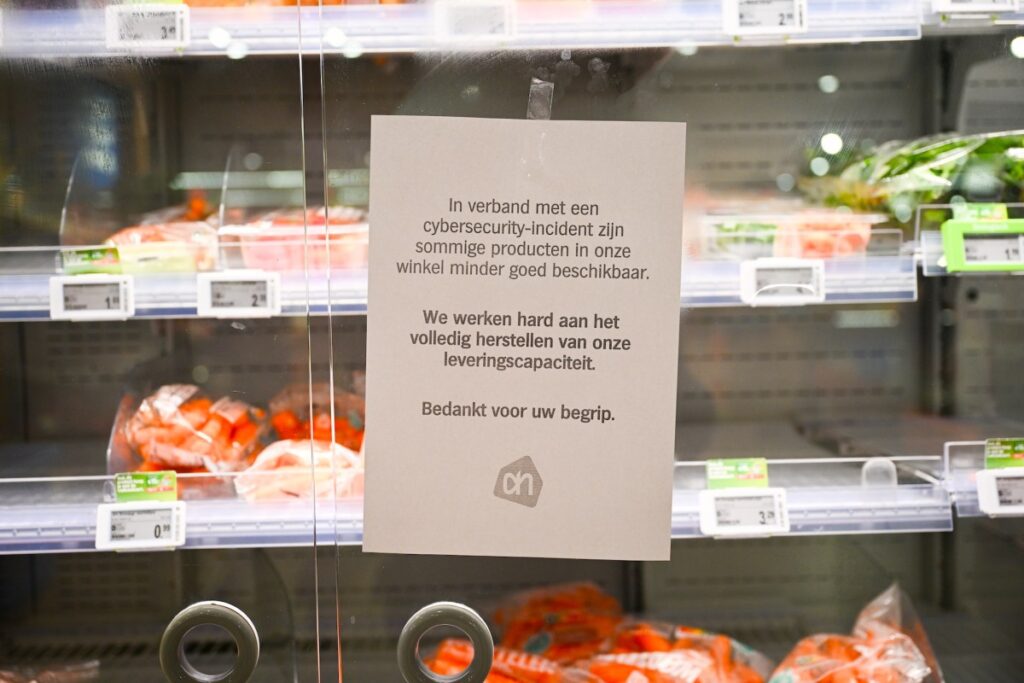
Hackers Are Thawing Europe’s Supermarket Freezers: What the Second Wave of Cyberattacks Reveals About IoT Risk

Cyberattacks usually mean stolen data or locked screens. This time, the damage is melted ice cream and ruined groceries. A fresh round of suspected hacks has hit refrigeration systems at supermarkets across Europe, and it’s the second such wave in about a month. Quick Facts What the Attackers Did According to Reuters, a Belgian company that runs Delhaize’s systems said the hackers changed the settings to defrost. Dozens of stores saw heavy losses, and supermarkets had to throw out goods that had thawed or were no longer safe to sell. Ahold Delhaize and Colruyt confirmed the attacks overnight. The Likely Weak Spot: Unsupported Refrigeration Controllers Security researchers pointed to internet-connected refrigeration units made by Danish company Danfoss, which they say was no longer providing security updates for them. The earlier French incidents were traced to the same type of equipment. Security firm Claroty had warned in August that these controllers were vulnerable to remote hacking and outages. Who is behind the European attacks hasn’t been established in the reporting I could access. Why This Is More Than a Food Waste Story These attacks show how an internet-connected device with weak security can create real-world damage. Many commercial devices, from refrigeration controllers to building systems, connect to networks for convenience. When manufacturers stop issuing updates, known flaws stay open indefinitely. The food supply chain is an especially sensitive target. In 2025, a cyberattack on U.S. grocery distributor UNFI caused shortages and empty shelves at stores across the country. A Possible U.S. Angle TechCrunch notes that Department of Defense officials are reportedly investigating whether freezer units on military bases were hacked by Iran-backed groups. Iranian hackers were also blamed earlier this year for attacks on U.S. water providers. These are reports of investigations, not confirmed findings. What Retailers and Facility Managers Can Learn General best practices include: What It Means for Shoppers If a store’s cold chain fails, it must discard unsafe food. Shoppers shouldn’t see compromised products on shelves, but empty cases and supply gaps are possible when a retailer is hit. What Readers Are Asking Which countries were hit this time? Belgium, Ireland, Luxembourg and Sweden. Which companies confirmed attacks? Ahold Delhaize and Colruyt. What equipment is blamed? Internet-connected Danfoss refrigeration controllers that researchers say no longer received security updates. Was France affected too? Yes, a similar wave hit hundreds of supermarkets there last month. What to Watch Next Look for attribution of the attackers, vendor guidance or patches, regulatory responses in Europe and any warnings for U.S. retailers using similar equipment. Source: TechCrunch

Hackers Are Thawing Europe’s Supermarket Freezers: What the Second Wave of Cyberattacks Reveals About IoT Risk Read More »

, , , , , , , , , , , ,
google-dreambeans

Google Brings Dreambeans to India: AI-Generated Personal Stories in 13 Languages, but Will Users Bite?

Google is testing a new idea on a very large audience. Its experimental AI app Dreambeans, which creates personalized illustrated stories from your digital life, has expanded beyond the U.S. for the first time, and India is the destination. Quick Facts What Dreambeans Does Dreambeans pulls from connected Google services, including Calendar, Gemini, Gmail, Photos, Search and YouTube, then proactively generates illustrated stories about your interests and everyday life. You don’t need to type a prompt. The app launched in June with static AI-generated illustrations, and Google has since added Veo-powered animation to select stories. Why Google Chose India First Google says Indian users expressed strong interest in the app, and its services are widely used in the country. Product manager Gozde Oznur said India stands out for the high overlap of people using Gemini, Gmail and Google Photos together, which gives the app more material to work with. How Dreambeans Is Doing in the U.S. The numbers are modest. Sensor Tower estimates about 55,000 U.S. downloads since June, with roughly 63% arriving in September, when Google opened the app to all eligible adults. Downloads fell about 84% in October to around 5,500. Compared with general-purpose AI apps, the first-month totals look small. In their first 30 days after launch, Dreambeans recorded roughly 29,000 downloads, versus 7.4 million for Meta’s Muse, 2.8 million for ChatGPT, 362,000 for Grok Bot and 155,000 for Claude. Those apps handle broad requests, while Dreambeans focuses on personal storytelling, so the comparison isn’t perfectly fair. The Hinglish Problem Users can pick only one language at a time for their stories. The app can read information in multiple languages across Google services, but it can’t yet mix languages in a single story. That’s a limitation in a country where many people switch between Hindi and English, often blending the two into Hinglish. Privacy: The Big Question Dreambeans relies on Google’s Personal Intelligence technology and personal account data. Those services can contain sensitive information, and some people won’t want an AI app digging through it for entertainment. Google points to several controls: The Emotional Risk A proactive app can surface memories you’d rather skip. Oznur acknowledged that stories might involve people who have died. Users can tell Dreambeans to stop showing certain subjects, similar to memory controls in Google Photos. What’s Next Google is exploring ways to make Dreambeans more actionable, moving from stories and recommendations toward helping users act on suggestions. What It Means for Users What to Watch Next Look for India download trends, support for mixed-language stories and whether Google adds more actions to the app. Source: TechCrunch

Google Brings Dreambeans to India: AI-Generated Personal Stories in 13 Languages, but Will Users Bite? Read More »

, , , , , , , , , , , ,
former-google-and-apple-researchers-launch-a-startup-trajectory

Trajectory Raises $45M to Let Doctors and Lawyers Train AI Models Without Writing Code

Today’s AI models are brilliant on day one and stuck there. They don’t learn from their mistakes unless someone retrains them, and that work is expensive. A one-year-old startup called Trajectory just raised serious money to change that. Quick Facts The Problem Trajectory Wants to Solve Companies in specialized fields like law and finance usually fine-tune general models to fit their needs. That process typically requires internal research teams or costly outside consultants, often called forward-deployed engineers. The result is slow, expensive customization that many businesses can’t afford. How Trajectory’s Platform Works Trajectory builds around continual learning. A business starts with an open-source AI model and connects Trajectory’s platform to its applications. The platform collects feedback on how the model performs, then uses that data to retrain it so it improves at specialized tasks over time. Co-founder Ronak Malde says non-technical experts such as lawyers and doctors can improve models themselves, almost automatically. Users define “what good looks like” for their organization, and the system turns that definition into model improvements. The PhD Student Analogy Malde compares foundation models to a very smart PhD student who always starts a new job. The economy, he argues, pays for someone with 30 years of experience. Trajectory aims to give models that kind of on-the-job learning. Who’s Already Using It Harvey and Rogo use the platform to post-train open-source models so they act more like experienced lawyers or financial analysts. Examples include learning from past tasks like reviewing a specific type of legal contract or valuing a company using a particular method. Other customers include Decagon, Mercor and Nvidia. Trajectory is now opening its post-training platform to the public. Safer Than Self-Improving AI? Trajectory’s approach has some similarities to recursive self-improvement, the idea that AI systems improve their own capabilities. Co-founder Michael Elabd argues that keeping humans in the loop makes it safer, since fully autonomous self-improvement could lead to unintended or even dangerous results. A Crowded Field Trajectory isn’t alone. Competitors include Thinking Machines Lab, founded by former OpenAI CTO Mira Murati and behind the fine-tuning platform Tinker. Applied Compute, valued at $3.25 billion last month, and Prime Intellect, which helps enterprises build and train their own agents, also compete in this space. The Team Behind It Malde was among researchers Google DeepMind acqui-hired from Windsurf. Elabd also worked at DeepMind, and co-founder Arjun Karanam previously worked on generative foundation models at Apple. The startup has hired talent from OpenAI, Stripe and Netflix. Why Design Matters Karanam says Trajectory built an interface that makes post-training accessible to non-technical customers. For a company aiming to serve doctors and lawyers rather than machine learning engineers, that design focus is central. What It Means for Businesses What to Watch Next Look for the public launch’s uptake, new enterprise customers and how Trajectory competes with better-funded rivals. Source: TechCrunch

Trajectory Raises $45M to Let Doctors and Lawyers Train AI Models Without Writing Code Read More »

, , , , , , , , , ,
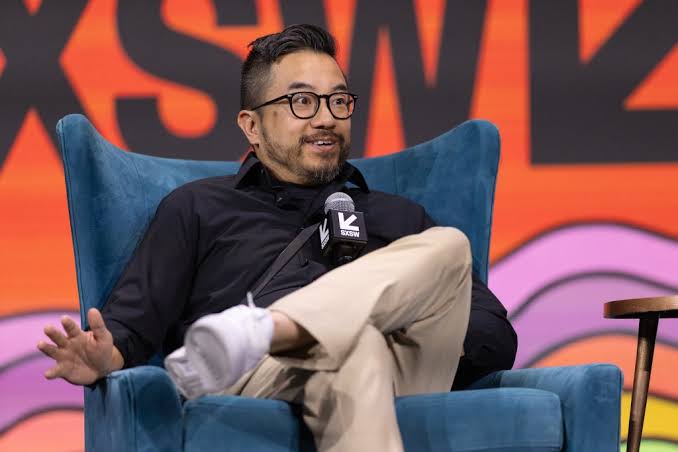
Y Combinator’s Garry Tan uses AI agents

What Does $200K in AI Tokens Actually Buy? 5 Takeaways From Garry Tan’s All-In Agent Lifestyle

Six figures a year on AI tokens sounds like a typo. For Garry Tan, it’s a lifestyle. The Y Combinator chief opened up on Walter Isaacson’s podcast The Builders, and his comments offer a rare look at what heavy agent use really looks like. At a Glance 1. One Agent, Many Jobs Tan runs agents across work projects, coding and interview prep. He even used one to research his podcast host. To spread the know-how, he published gstack, a free set of 23 Claude Code skills on GitHub, hoping others can see what agents can do. 2. Deep Access Is the Whole Point, and the Biggest Risk Tan says his agent has read his email, his Dropbox and his Apple Notes, including 20 years of therapy notes. His analogy is a Jiminy Cricket on his shoulder, one that knows him well enough to suggest ideas before he asks. That level of access makes the tool powerful, but it also creates a large pool of sensitive data in one place. Anyone copying this approach should weigh convenience against privacy. 3. Agents Aren’t Predictable Software Tan argues that many people treat agents like traditional programs and demand strict repeatability and safety. In his view, that approach strips away what’s valuable, because agents work more like capable humans than fixed tools. Early adopters of OpenClaw like him learned to loosen the leash. 4. A Company With a “Brain” Inside Y Combinator, an agent named Stray Light has its own personality and what Tan calls a company brain. It holds the full context of every founder YC has backed, every person who has emailed the firm and every application. He says it’s changing how the organization operates. 5. Price Is the Roadblock to Mainstream Adoption Tan believes personal agents will go mainstream, but only if costs fall. He said flatly that it’s too expensive right now and admitted his own spending is a privilege. He also doubts that agents controlled by big tech are the right answer. Pointing to how Meta controls its algorithm, he suggested people may eventually want a personal AI they program and own. What This Means for Everyday Users Questions Readers Are Asking How much does Garry Tan spend on AI? Roughly $100,000 to $200,000 a year on tokens. What is gstack? His open-source set of 23 Claude Code skills on GitHub. What is Stray Light? An internal Y Combinator agent with a personality and full context on founders and applicants. What does Tan say is holding agents back? Cost. What to Watch Next Keep an eye on token pricing trends, new open-source agent toolkits and how privacy concerns shape the way people use personal AI. Source: TechCrunch

What Does $200K in AI Tokens Actually Buy? 5 Takeaways From Garry Tan’s All-In Agent Lifestyle Read More »

, , , , , , , , , , ,