
Blockchain News

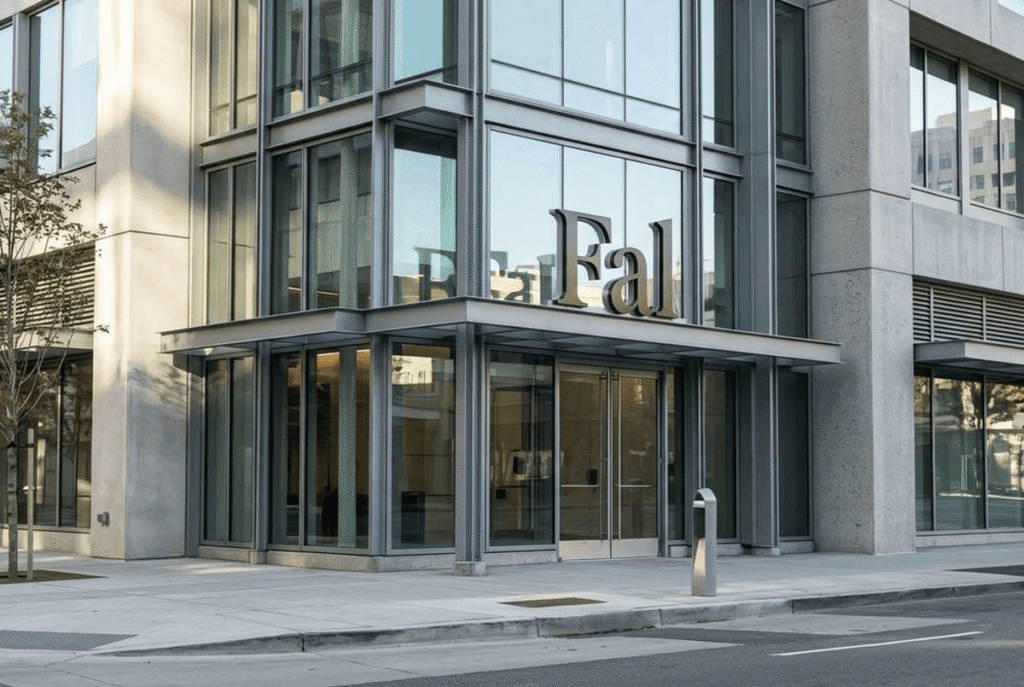
Fal Doubles Its Valuation

Fal Doubles Its Valuation to $16B With a $1.3B Raise as AI Inference Demand Explodes

Training AI models grabs the headlines, but running them pays the bills. Fal, a San Francisco startup that hosts and runs AI video, image and audio models, just proved how hot that business has become by doubling its valuation in under seven months. Quick Facts What Fal Actually Does Fal provides infrastructure for inference, the process of running an AI model that’s already been trained so it can generate outputs. Developers and companies use Fal to run AI video, image and audio models without managing the underlying hardware themselves. Demand is especially strong from customers relying on open-source models. The Growth Behind the Valuation Fal announced its Series E and F rounds together, with Sequoia leading the earlier one. Bloomberg reported that the startup passed $800 million in annualized revenue earlier this year. That kind of growth in a five-year-old company explains why investors keep raising their bets. A Crowded, Fast-Growing Category Fal isn’t alone. Inference providers including Baseten, Fireworks AI and Modal have also grown quickly and raised large rounds at higher valuations. As more companies move AI features from experiments to production, the cost of running models every day, not just training them once, becomes a major spending line. The Catch: Thin Margins Strong revenue doesn’t automatically mean strong profits. According to several people familiar with inference companies’ financials, gross margins across the sector remain thin because buying or leasing compute is so expensive. In other words, these startups collect plenty of revenue but pay much of it to chip and cloud providers. Meet the Founders Burkay Gur, a former machine learning leader at Coinbase and an ex-Oracle engineer, co-founded Fal with Gorkem Yurtseven, who previously worked as a developer at Amazon. Why Nvidia’s Involvement Matters Nvidia’s participation reflects how closely chipmakers tie themselves to the companies that rent out their hardware. Inference startups are major buyers of GPUs, so a backer like Nvidia benefits when they grow. What It Means for Developers and Businesses What Readers Are Asking How much did Fal raise? $1.3 billion in its Series F. What is its valuation? $16 billion, double April’s $8 billion. Who led the round? Bessemer Venture Partners. What is inference? Running a trained AI model to produce outputs. How much revenue does Fal have? Bloomberg reported more than $800 million in annualized revenue earlier this year. What to Watch Next Look for further inference funding rounds, signs of improving margins and whether Fal expands beyond media models into other AI workloads. Source: TechCrunch

Fal Doubles Its Valuation to $16B With a $1.3B Raise as AI Inference Demand Explodes Read More »

, , , , , , , , ,
Ballistic-Ventures-GP-team

Ballistic Ventures Files to Raise $490M as AI Fuels a Cybersecurity Funding Boom

AI is making hackers faster, and investors are betting heavily on the companies built to stop them. Ballistic Ventures, the cybersecurity-focused firm co-founded by former Kleiner Perkins partner Ted Schlein, has filed to raise $490 million across two new funds, according to TechCrunch. Quick Facts What the Filings Show Ballistic filed paperwork this week with the U.S. Securities and Exchange Commission. The flagship fund matches the size of its 2024 predecessor, while Fund B is a separate vehicle. TechCrunch reports that the firm raised about $130 million for a similar vehicle, Ballistic Ventures Fund A, according to PitchBook data, so Fund B targets a comparable amount. The Firm’s Track Record Ballistic launched in late 2021 with a $300 million debut fund announced in 2022, then raised another $360 million two years later. Its founding team includes Schlein, former AT&T Cybersecurity president Barmak Meftah and Roger Thornton, who co-founded Fortify Software and AlienVault. Notable portfolio results include: What Sets Ballistic Apart A cybersecurity investor at another firm told TechCrunch that Ballistic’s ties to Kleiner Perkins, where Schlein spent more than two decades, help it stand out. The person added that its investment approach resembles that of rivals such as Forgepoint Capital and Ten Eleven Ventures. Why Cybersecurity Funding Is Surging AI has changed both sides of the security equation. A JPMorgan Chase report citing PitchBook data found that U.S. cybersecurity startups raised $11.5 billion in 2025, the highest total since 2022. AI-enabled companies made up about 72% of U.S. cybersecurity venture deals through May this year, versus 36% in 2019. The Threat Side of the Story Microsoft’s annual Digital Defense Report, released last month, warned that attackers are increasingly using AI for phishing, social engineering and malware development. The technology lets them work faster and at greater scale, even though many of their core techniques haven’t changed. The rise of AI agents has also created new security gaps that startups aim to fill. What It Means for Founders and Investors Fundraising filings don’t guarantee a fund will close at its target, so these numbers represent goals rather than committed capital. What Readers Are Asking How much is Ballistic Ventures raising? It’s seeking $490 million across two funds. Who founded the firm? Ted Schlein, Barmak Meftah and Roger Thornton. Which exits has it had? Talon (to Palo Alto Networks) and Pangea (to CrowdStrike). Why are investors piling into cybersecurity? AI-driven attacks are increasing demand for new defenses. What to Watch Next Look for first closes on the new funds, new portfolio announcements and further acquisitions of AI-security startups by larger cybersecurity companies. Source: TechCrunch

Ballistic Ventures Files to Raise $490M as AI Fuels a Cybersecurity Funding Boom Read More »

, , , , , , , , , , , ,
google-dreambeans

Google Brings Dreambeans to India: AI-Generated Personal Stories in 13 Languages, but Will Users Bite?

Google is testing a new idea on a very large audience. Its experimental AI app Dreambeans, which creates personalized illustrated stories from your digital life, has expanded beyond the U.S. for the first time, and India is the destination. Quick Facts What Dreambeans Does Dreambeans pulls from connected Google services, including Calendar, Gemini, Gmail, Photos, Search and YouTube, then proactively generates illustrated stories about your interests and everyday life. You don’t need to type a prompt. The app launched in June with static AI-generated illustrations, and Google has since added Veo-powered animation to select stories. Why Google Chose India First Google says Indian users expressed strong interest in the app, and its services are widely used in the country. Product manager Gozde Oznur said India stands out for the high overlap of people using Gemini, Gmail and Google Photos together, which gives the app more material to work with. How Dreambeans Is Doing in the U.S. The numbers are modest. Sensor Tower estimates about 55,000 U.S. downloads since June, with roughly 63% arriving in September, when Google opened the app to all eligible adults. Downloads fell about 84% in October to around 5,500. Compared with general-purpose AI apps, the first-month totals look small. In their first 30 days after launch, Dreambeans recorded roughly 29,000 downloads, versus 7.4 million for Meta’s Muse, 2.8 million for ChatGPT, 362,000 for Grok Bot and 155,000 for Claude. Those apps handle broad requests, while Dreambeans focuses on personal storytelling, so the comparison isn’t perfectly fair. The Hinglish Problem Users can pick only one language at a time for their stories. The app can read information in multiple languages across Google services, but it can’t yet mix languages in a single story. That’s a limitation in a country where many people switch between Hindi and English, often blending the two into Hinglish. Privacy: The Big Question Dreambeans relies on Google’s Personal Intelligence technology and personal account data. Those services can contain sensitive information, and some people won’t want an AI app digging through it for entertainment. Google points to several controls: The Emotional Risk A proactive app can surface memories you’d rather skip. Oznur acknowledged that stories might involve people who have died. Users can tell Dreambeans to stop showing certain subjects, similar to memory controls in Google Photos. What’s Next Google is exploring ways to make Dreambeans more actionable, moving from stories and recommendations toward helping users act on suggestions. What It Means for Users What to Watch Next Look for India download trends, support for mixed-language stories and whether Google adds more actions to the app. Source: TechCrunch

Google Brings Dreambeans to India: AI-Generated Personal Stories in 13 Languages, but Will Users Bite? Read More »

, , , , , , , , , , , ,